
The all-black outfit is a timeless uniform for a reason: it's chic, slimming, and effortlessly cool. But as winter arrives, the mix of wool, leather, and cotton can feel less like a statement and more
like a mistake. Does it still work? Yes—and here’s the secret.
Turn a Problem into a Strategy
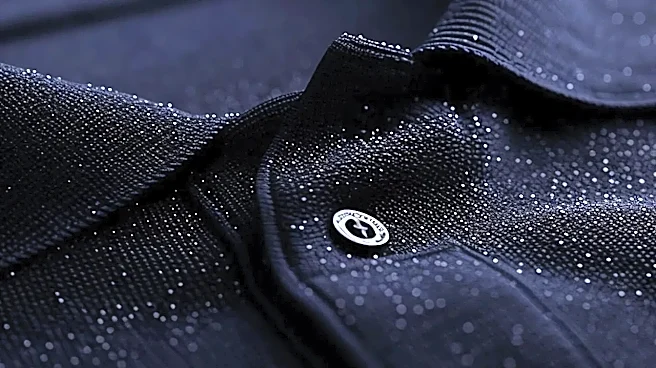
The common fear is that a black wool sweater won’t perfectly match a pair of black denim jeans, or that a leather jacket will look jarring against a cotton tee. The good news is they aren't supposed to match perfectly. In fact, the variation in fabrics is the key to making an all-black outfit look intentional and expensive, rather than flat and uninspired. Stylists agree that the magic of a monochrome look comes from mixing textures. The contrast between a soft, chunky knit, a smooth and shiny leather, and matte denim creates visual depth. This interplay of surfaces that absorb or reflect light is what prevents you from looking like a single, shapeless void. So instead of worrying about different black fabrics looking different, lean into it. The variation is not a bug; it’s the most important feature.
Focus on a Variety of Textures
To execute this well, think in terms of a texture formula. A reliable approach is to combine at least two or three different materials. Consider pairing 'hard' and 'soft' surfaces. For example, a sleek leather jacket (hard) over a cashmere or chunky wool sweater (soft) with simple cotton-twill trousers creates an immediate and compelling contrast. Winter is the perfect playground for this, offering a wealth of textures to mix: nubby knits, smooth silk, plush velvet, sturdy denim, and high-shine patent leather. Even subtle details like a ribbed sock peeking out from a boot or a sheer panel on a sleeve can add the necessary complexity. The goal isn't to pile on as many textures as possible, but to choose a few that make each other more visible and interesting.
Prioritize Silhouette and Shape
When you remove color from the equation, the shape of your clothing—the silhouette—becomes much more important. An all-black palette draws the eye directly to the proportions of your outfit. This is an opportunity to play with shape in a deliberate way. Avoid making everything too tight or everything too baggy, which can make the look feel either flat or formless. Instead, create contrast. Pair an oversized, chunky sweater with slim-fitting trousers or a sleek mini skirt. Try a cropped jacket over a longer top to define your waist, or a long, structured coat over a fitted dress for a continuous, elegant line. Paying attention to where different pieces meet is crucial; a well-defined waist or an intentional hemline gives the outfit structure and keeps it from becoming one solid block of black.
Use Layering and Accessories Intentionally
Layering is not just for warmth; it's a fundamental styling tool for adding dimension to a monochrome look. A black turtleneck under a sleeveless dress, or a crisp blazer layered under a heavy wool coat, naturally introduces different fabrics and creates sophisticated depth. Accessories are your final touch for breaking up the black-on-black canvas. A statement belt—perhaps in black leather with a gold or silver buckle—can cinch the waist and add a point of interest. You don't necessarily need a pop of color; high-shine metallic jewelry is often enough to make the outfit feel polished and complete. Even your bag and shoes contribute to the textural mix. A structured leather bag or a pair of patent boots can provide the perfect finishing contrast to a softer wool or knit ensemble.