


The Anatomy of a Crossover Hit
It’s a rare and powerful alchemy when a song transcends the silver screen to become a genuine radio juggernaut. It can’t just be a good song in a good movie; it has to feel like an essential part of the cultural moment. The recent success of the "Barbie"
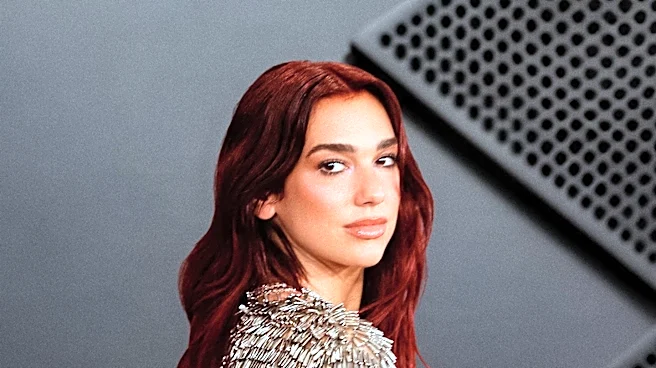
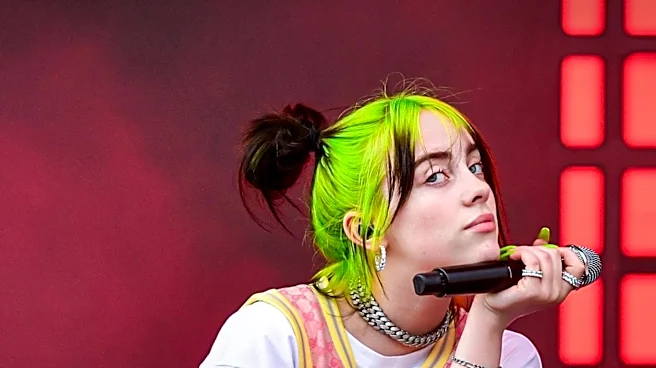
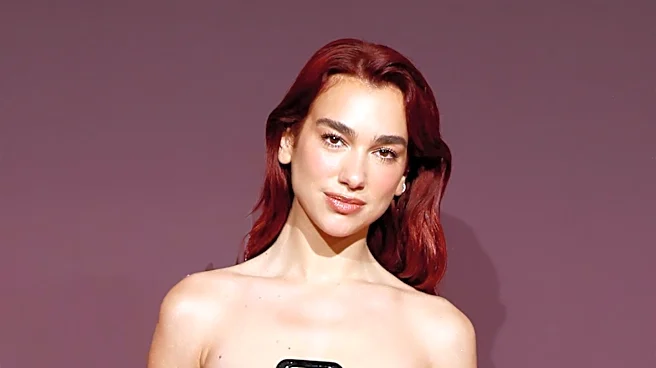
soundtrack is a masterclass in this strategy. The album wasn't an afterthought; it was a heavily promoted, star-studded event featuring artists like Dua Lipa, Billie Eilish, and Nicki Minaj. The key was creating songs that worked both within the film's narrative and as standalone pop bangers. Dua Lipa's "Dance The Night" is a perfect example: a groovy, infectious track that you could hear on the radio without ever knowing its cinematic origin. This dual appeal is critical. The song has to capture the movie's emotional core while being catchy enough to stand on its own during a daily commute.
A Legacy of Silver Screen Anthems
The idea of a movie soundtrack dominating the airwaves is nothing new. For decades, some of pop culture’s most iconic songs were born from blockbuster films. Think back to 1992, when Whitney Houston’s cover of "I Will Always Love You" from "The Bodyguard" became one of the best-selling singles of all time, with the soundtrack selling over 45 million copies worldwide. Or consider the 1980s, a golden era for the movie anthem. Films like "Top Gun" gave us both "Danger Zone" and the chart-topping ballad "Take My Breath Away." "Dirty Dancing" delivered "(I've Had) The Time of My Life," a song that has graced wedding receptions for decades. These tracks did more than just sell tickets; they became inseparable from the memories and feelings of the summers in which they were released. From "Saturday Night Fever" in the '70s to Prince's "Purple Rain" in the '80s, soundtracks have long been a powerful force in pop music.
The Modern Hit-Making Machine
Today, the path from a movie soundtrack to chart domination looks a little different. While radio play is still important, the internet, and specifically social media, has become the ultimate kingmaker. A single scene featuring a compelling song can be clipped, shared, and turned into a viral TikTok trend within hours. The success of the "Barbie" soundtrack was fueled by this, with tracks like Nicki Minaj and Ice Spice's "Barbie World" generating hundreds of thousands of video creations on the platform. This digital ecosystem allows for a more immediate and explosive rise in popularity. Furthermore, streaming services have changed how we consume this music. Soundtracks are often released as playlists of individual tracks rather than cohesive albums, making it easier for a single song to be added to millions of user-curated playlists. This shift means artists and studios are focused on creating shorter, algorithm-friendly songs with immediate hooks designed for virality.
The Formula for a Song of the Summer
So, what does it take for a movie song to conquer the summer of 2026? It requires a perfect storm. First, you need a highly anticipated film that is already a major cultural talking point. Second, you need a roster of artists who bring their own dedicated fanbases. Third, the song must be a perfect thematic match for a memorable moment in the film, amplifying its emotional impact. Finally, and most crucially, the song must be a certified banger on its own terms—a track with an undeniable hook that works whether you're watching a pivotal scene or just listening with the car windows down. This combination of cinematic relevance, star power, and standalone appeal is what separates a forgettable movie tie-in from a true cultural anthem that defines a season.