

The Psychedelic Hangover
To understand the rise of 1970s prep, you first have to picture the dominant look it replaced. The late 1960s were a visual riot. Fueled by the anti-war movement, civil rights struggles, and a powerful youth counterculture, fashion became a tool of rebellion.
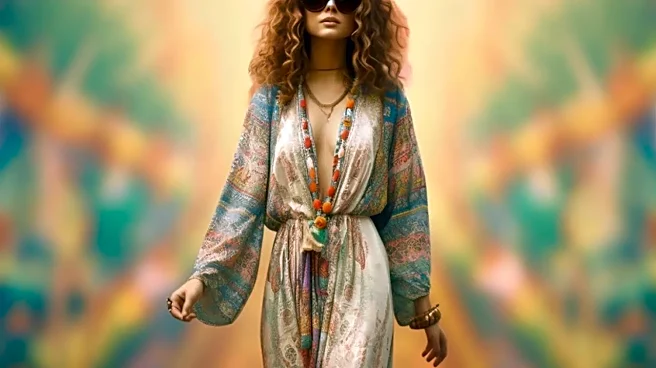
Hippie style was intentionally messy, fluid, and a rejection of the polished conformity of the 1950s. Think frayed bell-bottom jeans, flowing floral maxi dresses, military surplus jackets covered in peace signs, and a sea of tie-dye. It was a look that proudly broadcast its anti-establishment values, borrowing from global cultures and prioritizing handmade, individualistic expression over traditional American aesthetics. This style, born from a desire for peace and liberation, came to be seen by some as chaotic and untethered from tradition as the decade closed.
A Return to Order and Tradition
In the wake of such a dramatic cultural upheaval, a segment of America was ready for a return to something quieter and more structured. Preppy style, which had its roots in the Ivy League look of the 1950s, was waiting in the wings. It represented the polar opposite of the hippie aesthetic. Where hippie style was loud, preppy was quiet. Where one was chaotic, the other was orderly. This wasn't a new invention but a deliberate revival and doubling-down on an existing tradition associated with East Coast elites, academia, and 'old money' values. It was a quiet, conservative counter-rebellion. Instead of protesting in the streets, this movement protested through its wardrobe, choosing clean lines, quality materials, and a timelessness that felt stable and reassuring after a decade of radical change. The style communicated a sense of belonging, heritage, and aspiration—values that stood in stark contrast to the counterculture's rejection of the mainstream.
The New Uniform of Normalcy
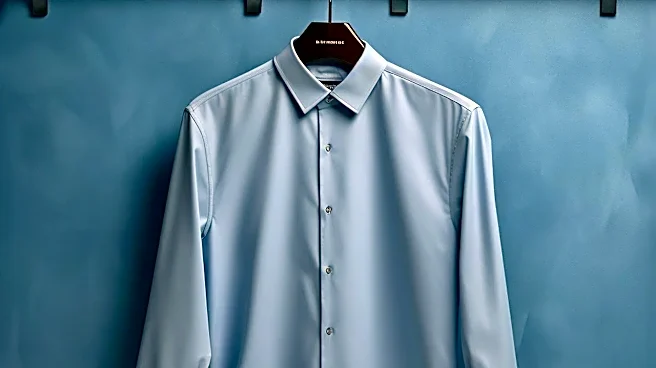
The 1970s preppy look was defined by its uniformity and its connection to traditional American leisure activities like sailing, tennis, and golf. Key pieces became iconic: the Lacoste polo shirt, the Bass Weejuns penny loafer, Sperry Top-Sider boat shoes, chinos, and the button-down Oxford shirt. Brands like Brooks Brothers, which had long served the Ivy League crowd, saw their aesthetic gain broader appeal. The color palette shifted from psychedelic purples and oranges to a more subdued spectrum of navy, kelly green, pastel pinks, and khaki. Madras and seersucker, fabrics with a history in resort and collegiate life, became staples. It was a look that was intentionally non-political and deeply rooted in a specific vision of American prosperity and class, even for those who were just aspiring to it.
From Campus Niche to National Phenomenon
While the trend percolated through the 70s, it exploded into the mainstream with the 1980 publication of 'The Official Preppy Handbook'. This satirical guide, written by Lisa Birnbach and others, both poked fun at and codified the entire subculture for a mass audience. It explained the unspoken rules of everything from what to wear to what to name your dog, turning the quiet aesthetic of the East Coast elite into an accessible—and highly marketable—lifestyle. The book's wild success helped democratize the style, fueling the growth of brands like L.L. Bean, J.Crew, and Ralph Lauren, who built empires on this aspirational look. What began as a reaction on elite college campuses became the definitive aspirational style for a generation of young professionals, forever cementing its place in the American fashion landscape.