
A Tale of Two Shows
The CMA Awards broadcast is a study in contrasts. On one hand, you have the multi-million-dollar musical numbers. This year was no exception, with a massive lineup that included a returning Taylor Swift,
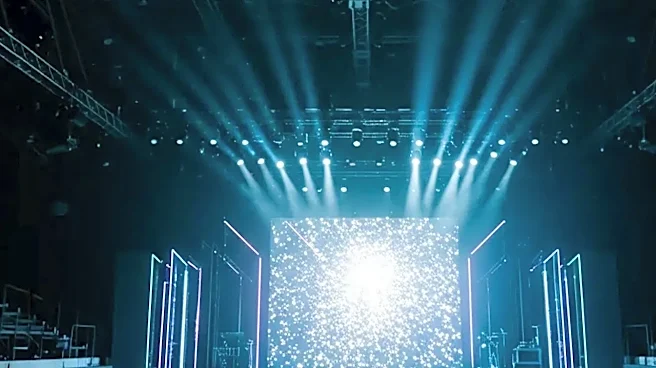
a tribute to Brooks & Dunn featuring a host of stars like Luke Bryan and HARDY, and a celebration of Dolly Parton. Performers like Chris Stapleton, Lainey Wilson, and Luke Combs brought their A-game, delivering moments of genuine musical power. These segments are rehearsed to perfection, with lighting, sound, and stagecraft that can make a three-minute song feel like a blockbuster event. On the other hand, you have the moments that connect these performances. Too often, the broadcast lurches from a somber ballad into a clunky award presentation or an abrupt commercial break, completely killing the mood. The show’s producers spend fortunes on the performances but seem to treat the connective tissue as an afterthought. It creates a disjointed experience, like listening to a great album on shuffle with random podcast ads thrown in.
The Art of the In-Between
In live television, transitions aren't just filler; they are the narrative engine of the show. They guide the audience's emotional journey. When a host has to land a joke seconds after a tear-jerking tribute, it feels awkward because it is. A well-produced show uses musical vamps, short, engaging video packages, or even just a thoughtful voiceover to create a bridge from one feeling to the next. It allows the audience to catch its breath, process the last performance, and get ready for what’s next. Without that care, the broadcast becomes a checklist of names and songs instead of a cohesive three-hour story. The 60th anniversary show was a prime opportunity to honor the genre's history while celebrating its present, but the clumsy pacing often undermined that goal. The pre-show controversy over red carpet access for veterans like Sammy Kershaw and Rodney Atkins already highlighted a tension between honoring the past and managing the present, a theme that unfortunately carried over into the broadcast's structure.
Setting the Host Up to Fail
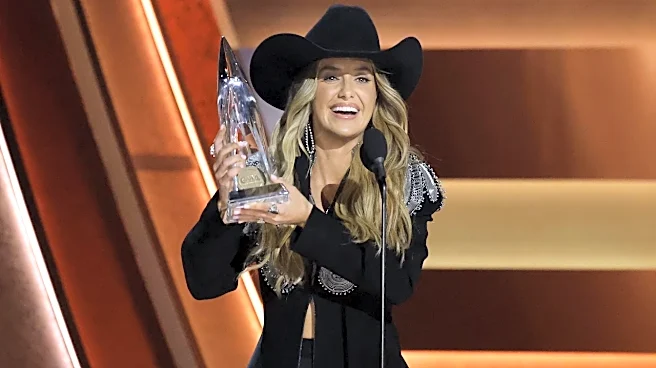
Lainey Wilson returned as host for the third time, a testament to her star power and charisma. But even the most talented host can’t single-handedly smooth over structural flaws. When the production jumps from a high-energy performance by someone like Ella Langley—the year's most-nominated artist—to a static award reading with little fanfare, the host is left to bridge an impossible gap. Their banter becomes less about entertainment and more about damage control, trying to reset the room’s energy from a dead stop. A great host should be able to ride the show's momentum, not be tasked with creating it from scratch every ten minutes. The most memorable awards show moments often come from the host interacting with the energy in the room, something that’s nearly impossible when the show's rhythm is constantly being broken.
A Better Blueprint for Flow
This isn't an unsolvable problem. Other major awards shows have navigated this challenge with varying degrees of success. The key is intentionality. The producers must map out the show’s emotional arc as carefully as they do the performance logistics. This means using the house band to create seamless musical transitions that match the tone of the upcoming segment. It means commissioning short, beautifully produced packages that tell a story—perhaps about a nominee’s journey, a historical moment in country music, or the making of a hit song. These small moments make the show feel richer and more deliberate. They transform the dead air between major set pieces into an integral part of the viewing experience, ensuring the entire broadcast feels as lovingly crafted as the songs it’s meant to celebrate.