




The Yoke: The Shirt's Signature Shoulders
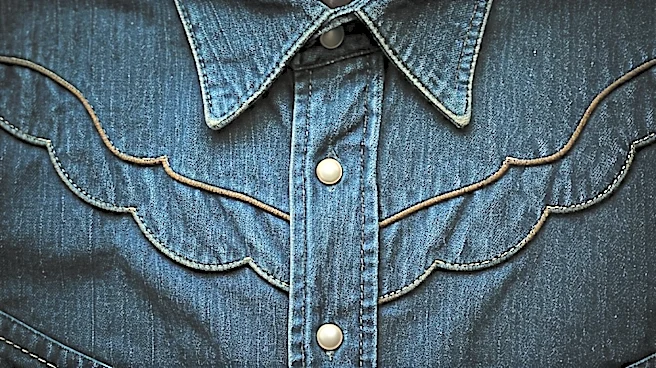
First, look at the shoulders. That distinctively shaped panel of fabric across the upper back and front is called the yoke. On a true vintage or quality Western shirt, the yoke has a purpose. Originally, it was a double layer of fabric to add durability
for cowboys who spent days in the saddle. The stylized points or curves weren't just for show; they helped shed rain. You'll find elaborate “scalloped” or deep “arrowhead” yokes on classic shirts from brands like H Bar C or Rockmount Ranch Wear. Fast-fashion versions, however, often treat the yoke as a purely decorative afterthought. It might be a single layer of fabric, a printed-on shape, or have shallow, meaningless points. A well-constructed yoke is the first sign that the shirt was designed with intention, not just to chase a trend.
The Snaps: More Than Just Buttons
Nothing says “Western shirt” like the satisfying *click* of a pearl snap. These aren't just fancy buttons. Legend has it that rodeo riders preferred snaps because they would pop open if a sleeve got caught on a bull's horn, preventing a serious injury. On a vintage piece, look for snaps made of actual mother-of-pearl, which have a unique, iridescent depth. They'll be securely set into the fabric, often with a distinctive brand marking on the ring. Cheaper copies use plain plastic disks that look flat and lifeless. Press one; if it feels flimsy, wiggles in its setting, or is hard to open and close, you're looking at a shortcut. Quality snaps are a non-negotiable hallmark of authentic Western wear.
The Pockets: From Sawtooth to Smile
Western shirt pockets are a canvas for craftsmanship. The most iconic styles are the “sawtooth” pocket, with its distinct W-shaped flap secured by two snaps, and the “smile” pocket, a curved welt opening often accented with embroidered arrows. These weren't easy to manufacture. A real smile pocket is a feat of sewing, requiring precision to create a clean, functional opening. On vintage shirts, the arrow tacks at the ends of the smile aren't just for looks—they reinforce a stress point. Fast-fashion imitations often fake it. You might see a smile pocket that’s just a decorative stitch on a non-functional piece of fabric or a sawtooth flap that’s sloppily sewn and puckers around the snaps. Check if the pocket is truly functional and crisply constructed.
The Cuffs: Designed for a Roll-Up
Pay attention to the cuffs. A classic Western shirt often features a longer cuff with a higher placket (the opening on the sleeve). The gold standard is the “shotgun cuff,” so named because it traditionally featured three snaps in a row. This design allowed a rider to easily unsnap and roll his sleeves high and tight, keeping them out of the way for rope work or repairs. A longer cuff with multiple snaps is a clear indicator of heritage design. Fast-fashion shirts, which are based on standard dress shirt patterns, typically have a simple, short, one-button or one-snap cuff. It does the job of closing the sleeve, but it lacks the functional history and dramatic flair of its vintage counterpart.
The Fabric and Stitching: Built to Last
Finally, feel the shirt and look closely at the seams. Vintage Western shirts were workwear, built from sturdy cotton twill, denim, or silky-but-strong rayon gabardine for the showier “Nudie” style suits. The fabric should have a substantial feel. Fast-fashion copies are often made from thin, flimsy polyester-cotton blends that pill and lose their shape after a few washes. Turn the shirt inside out. A quality shirt will have clean, tight stitching, sometimes featuring durable chain stitching on the side seams. A cheap copy will have loose threads, low stitch density, and messy seam finishes. This is where the difference between a shirt that lasts for decades and one that lasts for a season becomes most apparent.