
The Red Carpet's Empty Promise
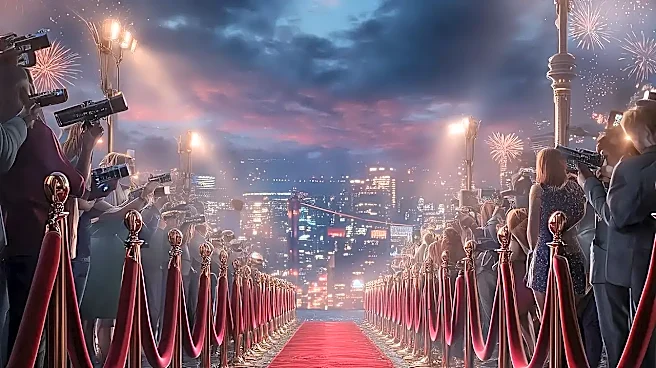
Let’s be honest about the red carpet. From the outside, it’s the pinnacle of glamour. From the inside, it’s a factory floor. It's a loud, frantic, and deeply transactional space designed for generating
soundbites, not stories. For every A-list actor you might get thirty seconds with, there are hours of waiting, jostling for position, and being herded by stressed publicists. The quotes you get are often canned, the interactions are rushed, and the resulting story is usually identical to a dozen others. The BFI London Film Festival, running now through October 18, has its share of glittering galas at venues like the Royal Festival Hall. They are a necessary part of the ecosystem, generating buzz and beautiful photos. But for a writer or a true film lover, they are a narrative dead end. The story isn't the dress or the two-second wave to the camera; it's a manufactured moment that evaporates as soon as the lights go down.
Where the Real Stories Gather
So, where do you go? Anywhere else. A film festival's true value lies in the spaces between the premieres. Start with the public screenings of smaller films, the ones without the blockbuster marketing budget. Stick around for the Q&A afterwards. This is where a director, exhausted but passionate after their film's first public viewing, might reveal the impossible shot they almost gave up on. It’s where an actor, free from the pressure of a gala, can tell a genuine story about connecting with their character. These are the moments of unscripted truth that make for a compelling narrative. You’re not just a reporter; you're part of an audience, sharing a collective experience, and the stories that emerge feel earned and authentic. It's the difference between asking a question and being part of a conversation.
The Power of the Industry Hub
For those with industry or press access, the goldmine is the festival's brain: its industry-focused events. At the BFI London Film Festival, the Industry Forum is a hub of activity that has nothing to do with red carpets. Here, you'll find panels where cinematographers discuss their craft, writers debate the future of storytelling, and producers search for their next project. These aren't celebrity appearances; they are working professionals talking about the work. Plant yourself in the corner of a coffee shop near BFI Southbank or another festival hub. Listen to the conversations. You'll hear about the indie film that lost its funding three times, the documentary filmmaker who uncovered a story by accident, and the distribution battles nobody sees. These are the narratives that explain how the film industry actually functions, far from the polished facade of a premiere.
Embrace the Human Element
The most underrated sources at any festival are the people who aren't on a poster. Talk to the volunteers who see every filmmaker walk through the door. Chat with theprojectionist who can tell which films get the biggest audience reaction. Buy a drink for the critic who has been coming for 20 years and has seen it all. The festival experience is a shared human endeavor, full of passion, frustration, and hope. A red carpet is a barrier, designed to separate the 'talent' from everyone else. But a festival is a temporary community. By stepping away from the designated photo opportunities, you can actually join that community. You'll find that the film student in the rush line has a more insightful take on a movie's themes than the star who was paid to promote it. Their passion is the real story.