





The Two Flavors of TV Comedy
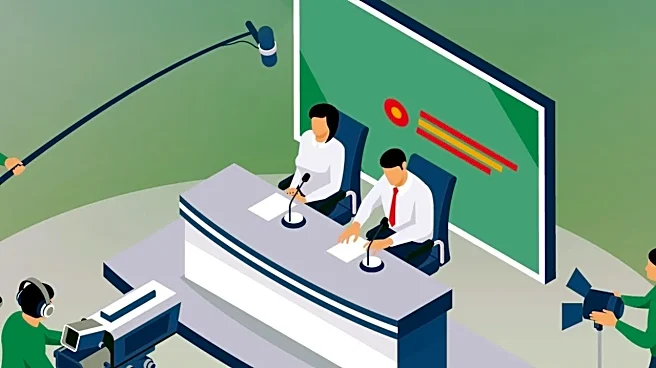
First, it’s important to understand the fundamental difference between the two main types of television comedies. The 'multi-camera' format is the classic sitcom style. Think 'Friends' or 'The Big Bang Theory'. These shows are typically filmed on a few
permanent sets in front of a live studio audience, using multiple cameras to capture the action simultaneously from different angles. This is what creates that distinct, play-like feeling and often includes a laugh track. On the other hand, 'single-camera' comedies are shot more like movies. Shows like 'The Office' or 'Modern Family' use one camera at a time to film a scene, allowing for a wider variety of locations, more complex cinematography, and a different style of humor that doesn't rely on audience reactions. The name is a bit of a misnomer, as they often use more than one physical camera, but the key is that they film one setup at a time.
A Tale of Two Budgets
The single biggest reason the multi-camera format endures is simple: it's significantly cheaper and faster to produce. A standard network scripted episode can cost anywhere from $3 million to $8 million. Single-camera shows, with their location shoots, longer filming schedules, and more complex editing, tend to land at the higher end of that range. In contrast, a multi-camera sitcom is a model of efficiency. By filming on a handful of standing sets that are used week after week and capturing all the necessary footage in one or two long takes in front of an audience, the production timeline is drastically condensed. An entire episode can be shot in a single day, compared to the week or more it might take for a single-camera show. This efficiency saves enormous amounts on crew time, location fees, and post-production hours, making it a financially safer bet for a network.
Why This Matters for October
The fall television season, which traditionally kicks off from late September through October, is the most important time of year for broadcast networks. This tradition dates back to the early days of radio, when executives would return from summer vacations, and it persists today because viewership is historically higher as people spend more time indoors. Networks sell the bulk of their advertising for the year during the 'upfronts' in the spring, making promises to advertisers based on the schedule they plan to launch in the fall. To fulfill these commitments and draw the broadest possible audience, networks need reliable, crowd-pleasing content. Multi-camera sitcoms, with their lower financial risk and formula that appeals to a wide demographic, are the perfect foundational building blocks for a fall schedule. A network can order a full 22-episode season of a multi-cam with more confidence than a pricier, niche single-cam that might not find its audience.
How Money Shapes the Art
This budget-driven model has a direct impact on the creative product. The financial constraints of a multi-camera show encourage a specific type of storytelling. Scripts are dialogue-heavy, centered on jokes and punchlines that will land with a live audience. Stories are typically confined to a few locations, like a living room, a coffee shop, or an office. This is not a failure of imagination, but a function of the budget. Casting often favors veteran stage and television actors who are skilled at quick rehearsals, hitting their marks, and landing jokes in a live performance setting, minimizing the need for costly retakes. The result is a style of television that is efficient by design, where the creative form is a direct consequence of its financial function. The cozy, familiar rhythm of a classic sitcom is as much a product of a producer's spreadsheet as it is a writer's script.