




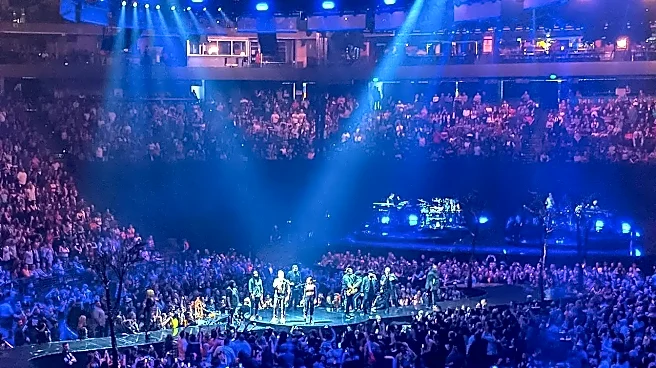
The Conductor in the Wings
On a massive concert tour, the stage manager (SM) is the central nervous system of the entire production. They aren't the ones booking hotels or handling finances; that's the tour manager. Instead, the SM is the chief liaison backstage, responsible for
everything that happens on the performance area. They serve as the primary link between the artist, the technical crews (lighting, sound, video, pyrotechnics), and the venue staff, ensuring everyone is on the same page from the moment the first equipment truck arrives until the final case is loaded out. Often described as a hybrid of a CEO and COO, their job is to create the culture and execute the day-to-day logistics that deliver the show to thousands of fans, night after night.
The Bible of the Show
The stage manager's primary tool is the prompt book, or what's often called the 'show bible.' This isn't just a simple schedule; it's a meticulously detailed document that scripts the entire performance from beginning to end. Every single action is noted and timed, often down to the second. This includes every lighting change, sound effect, video playback, pyro explosion, and performer movement. The stage manager works with the director and designers to build this script, which becomes the definitive guide for executing the show flawlessly. For a two-hour concert, this document can be hundreds of pages long, mapping out a complex sequence of events that must be followed with absolute precision.
Calling the Cues
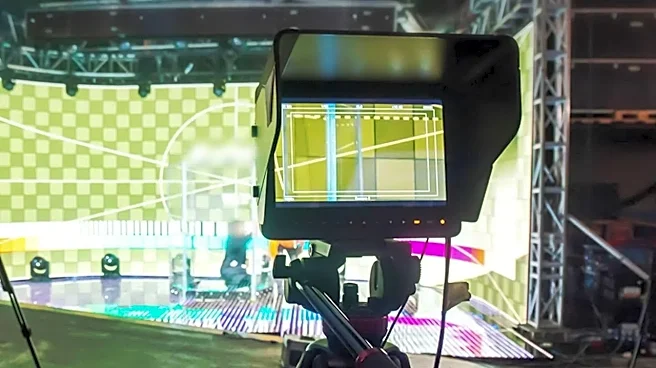
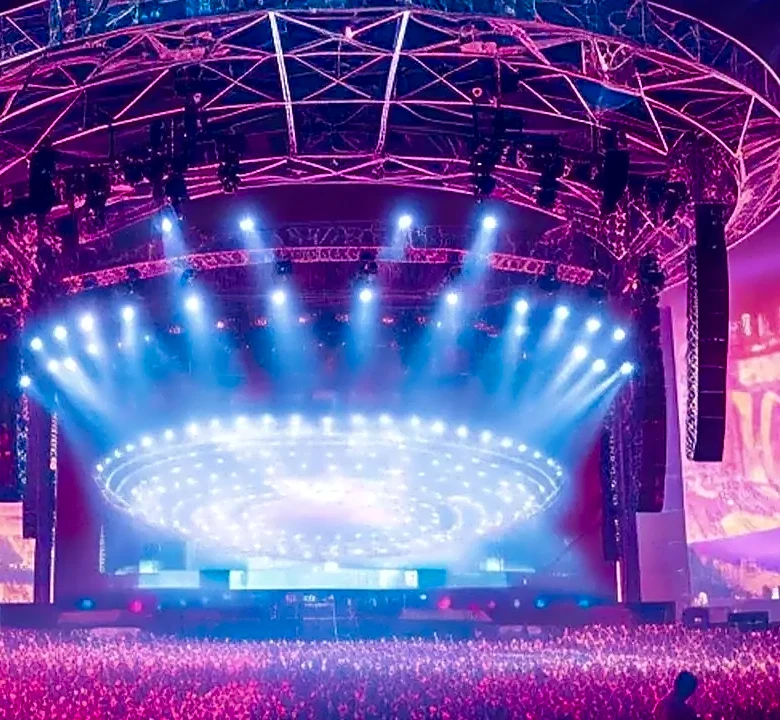
During the show, the stage manager transforms into the 'show caller.' Typically positioned at a station with a clear view of the stage or a bank of monitors, they wear a headset that connects them to every key department. From this command center, they call out a steady stream of cues to the crew. The language is short, precise, and standardized: "Standby lights cue 42... Lights GO." "Video standby... Video GO." This constant communication ensures that the visuals on the giant screens sync perfectly with the music, that spotlights hit their marks, and that stage elements move at the exact right moment. They are the single voice guiding the entire technical orchestra, turning the script into a living, breathing spectacle.
Masters of Crisis Management
Of course, live events rarely go exactly as planned. A microphone can fail, a video wall can glitch, or an artist might decide to go off-script. This is where a stage manager truly earns their reputation. Their most critical skill is the ability to remain calm under immense pressure. When something goes wrong, they are the ones who instantly troubleshoot a solution without panicking the rest of the crew or, most importantly, the audience. This might mean coordinating with the sound team to switch to a backup mic, telling the lighting director to adjust on the fly, or subtly guiding the artist back on track. They are the ultimate problem-solvers, making crucial decisions in seconds to maintain the illusion that everything is running perfectly.
The Human Element
Beyond the technical logistics, the role is intensely human. Stage managers spend their days in grueling 18-hour shifts, overseeing crews, managing artist needs, and navigating the unique challenges of each venue. They have to be expert communicators, organized multitaskers, and empathetic leaders. They are responsible for safety, ensuring that the complex machinery of a modern stage doesn't endanger the performers or the crew. Ultimately, they set the tone for the entire backstage environment, creating a focused and collaborative atmosphere that allows a team of hundreds to execute a powerful, emotional, and perfectly timed performance.