


So, What Exactly Is ‘Barbie Armor’?
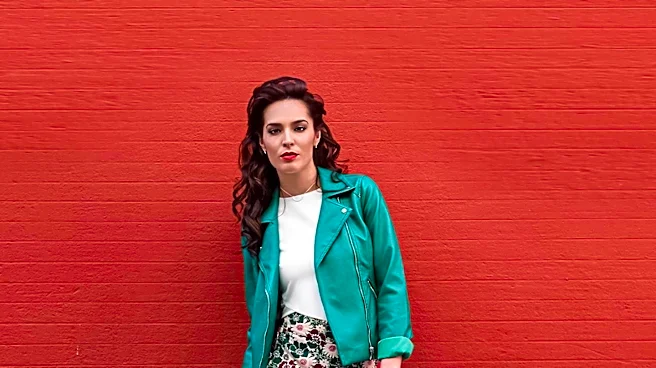
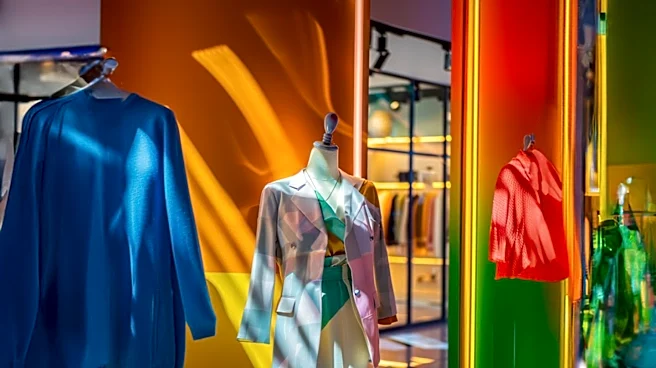
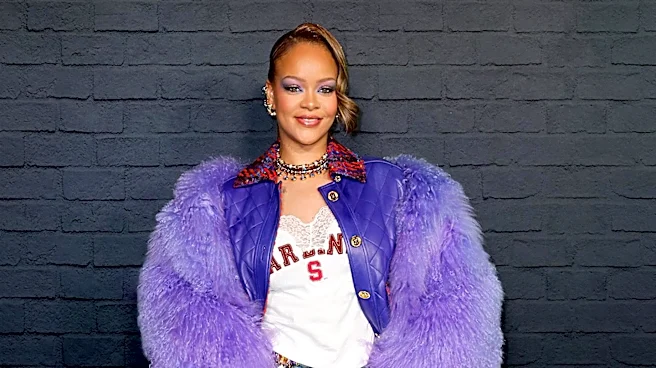
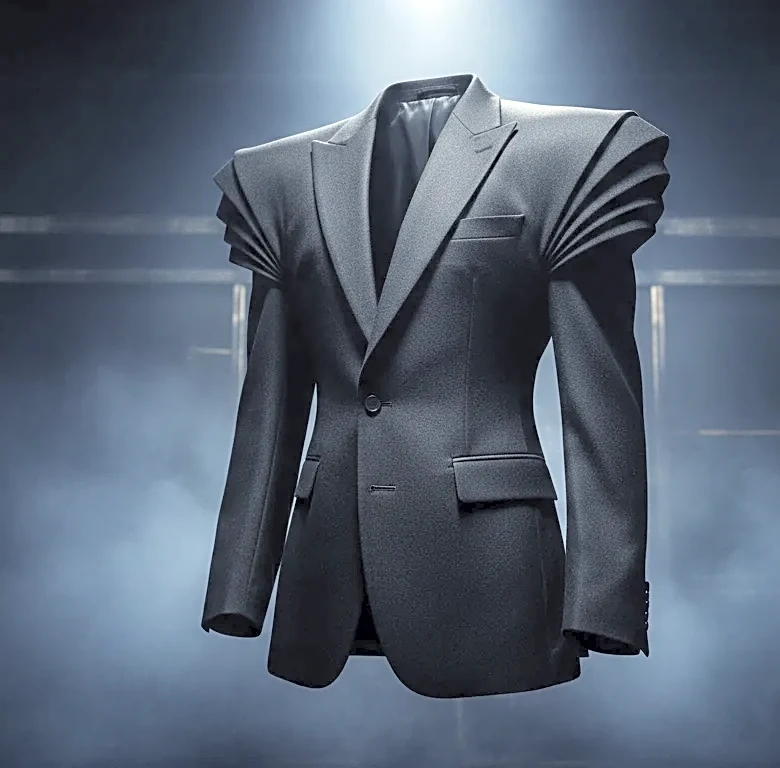
Forget the frothy, carefree dresses for a moment. “Barbie Armor” is what happens when Barbiecore grows up and gets a corner office. Imagine the iconic pink power suit, but with a sharpened edge. It’s a pastel pink blazer with a structured, almost severe,
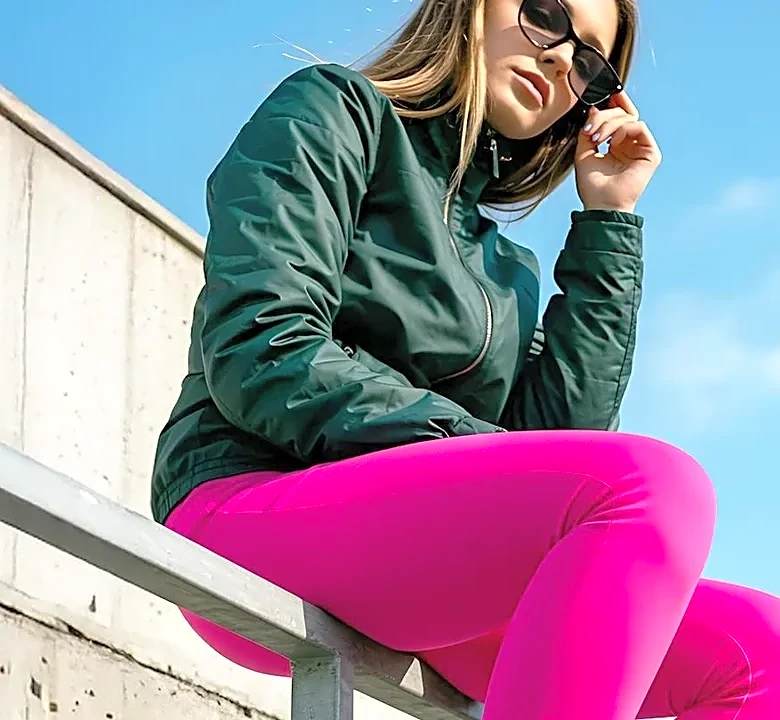
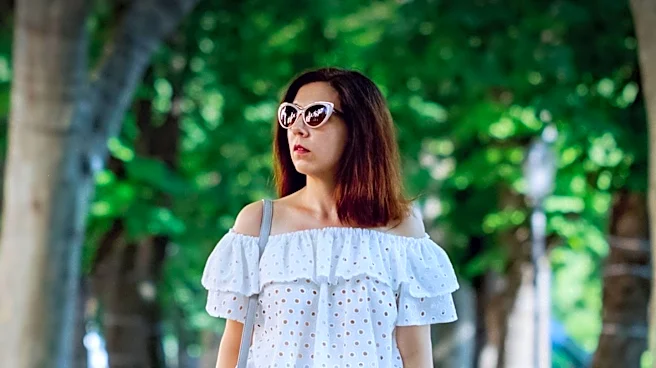
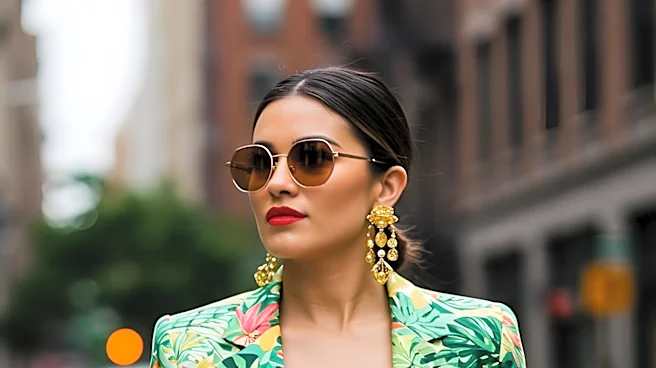
shoulder. It's a sweet, flowing dress toughened up with metallic hardware or a combat boot. It’s the aesthetic of the ‘girl boss’ evolving into something more nuanced: a quiet, confident commander. The trend mixes traditionally feminine elements—soft fabrics, pink and pastel hues, fluid shapes—with structure and tailoring that conveys authority. It’s less about mimicking masculine dress codes and more about weaponizing femininity itself.
The Debate: Empowerment or Just a New Uniform?
The immediate debate around this emerging style is predictable. On one side, it’s seen as the ultimate form of sartorial empowerment. It’s a visual declaration that one can be both feminine and formidable, without having to choose. Proponents argue it’s about owning your look and projecting a calm inner confidence that doesn't need to shout. On the other side, critics wonder if it’s just another cage. Is “Barbie Armor” truly a choice, or is it a new, subtler uniform women are expected to adopt to be taken seriously? The question hangs in the air: Is this a genuine expression of power, or just a performative trend that repackages old pressures in a prettier, pinker box?
It's All About 'Soft Power'
To understand the trend, you have to understand fashion’s current obsession with “soft power.” For decades, “power dressing” for women meant adopting masculine signifiers: the boxy blazers and shoulder pads of the 1980s were designed to help women compete in a man’s world by minimizing their femininity. Soft power dressing flips that script entirely. It’s a philosophy that redefines workwear by challenging the old, rigid rules. Instead of armor that hides, soft power dressing uses fashion to project a different kind of strength—one rooted in emotional intelligence, grace, and quiet conviction. It’s about being influential without being intimidating, authoritative without being authoritarian. It's using traditionally “soft” skills and aesthetics to achieve hard goals.
The Armor Is the Message
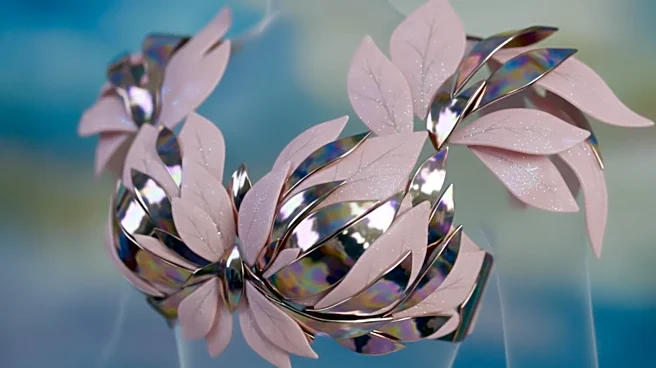
This is where “Barbie Armor” snaps into focus. It is the perfect, pop-culture-infused embodiment of soft power. The “Barbie” part signifies an embrace of unabashed femininity, leveraging a cultural icon who, for better or worse, represents the idea that you can be anything. The “Armor” part isn’t about literal protection; it’s about creating a psychological boundary. The structured silhouette of a blazer or the hard gleam of a metal accessory provides a visual shield, a sign of intention and seriousness. It communicates that the wearer is not to be underestimated. The look fuses the approachability of pink with the undeniable statement of armor, creating a powerful paradox. It says, “I am embracing a soft aesthetic, but make no mistake, I am strong, prepared, and in command.”