




Tempo Isn't Just Speed
First, let's get one thing straight: tempo is not the same as speed. A fast player has speed. A game with a high tempo has a relentless rhythm. Think of it like music. A blistering punk rock song has a fast tempo, but so does a complex piece of classical music during a frantic passage. Tempo in soccer is the rate at which the ball is circulated, decisions are made, and attacking patterns develop. It’s the collective heartbeat of a team’s strategy. A team that controls the tempo forces the other 10 players on the opposing side to play at a rhythm they don't want, whether it’s exhaustingly fast or frustratingly slow.
The Strategic Power of 'Slow'
This is the part that trips up many viewers. Why would a team deliberately pass the ball sideways or backwards, seemingly going nowhere?
This is often a conscious decision to lower the tempo. A team might do this for several reasons. They could be trying to conserve energy for a late-game push. They might be trying to regain composure after a chaotic period of defending. Most importantly, they are often using slow, methodical passing to manipulate the opponent. By patiently circulating the ball, they invite the defending team to press them, which creates gaps in their defensive shape. That slow, hypnotic passing is a probe, searching for the exact moment a defender gets impatient and steps out of line, opening up a lane for a killer pass. It’s not inaction; it's a calculated setup.
The Change of Pace is the Weapon
The real magic of tempo is in its variation. A team that only plays fast becomes predictable and burns out. A team that only plays slow is passive and rarely threatens the goal. The most dangerous teams are the ones that can masterfully switch between gears. They lull you to sleep with a minute of slow, horizontal passes in their own half. The defense gets comfortable, the crowd gets quiet, and for a moment, the game feels stagnant. Then, in two or three sharp, vertical passes, the tempo explodes. A midfielder turns, a winger makes a darting run, and suddenly the ball is in the back of the net. That sudden acceleration is what the entire 'slow' period was designed to create. It's the moment the hunter, after patiently waiting, finally pounces. It’s the difference between just kicking a ball and conducting an orchestra.
Masters of the Metronome
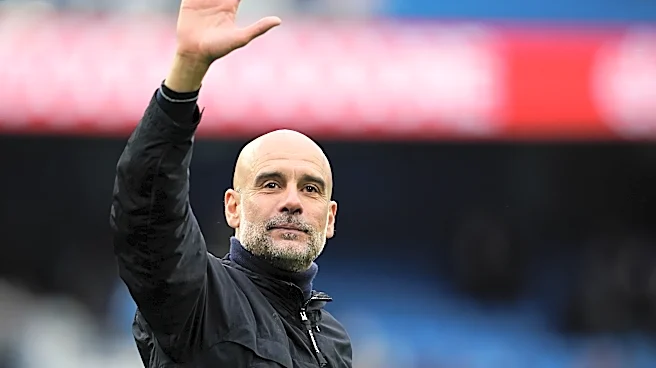
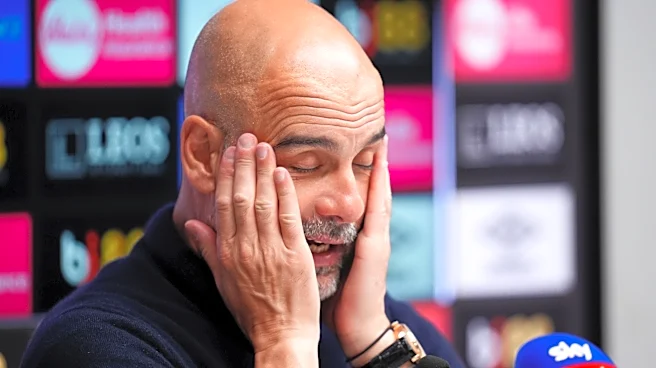
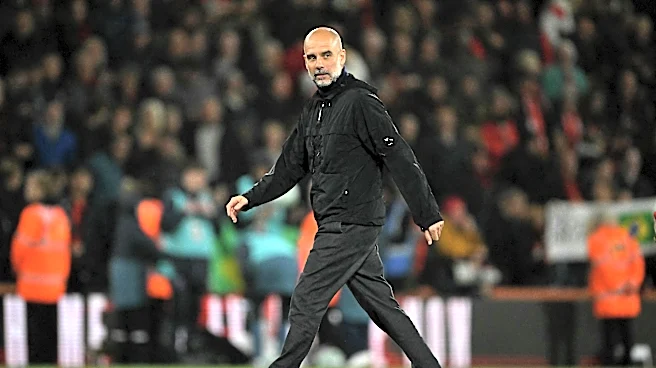
Look at the great teams and you'll see masters of tempo. Pep Guardiola's teams, from Barcelona to Manchester City, are famous for their “tiki-taka” style, a possession-based game that uses tempo as its primary weapon. They control the ball, and therefore, they control the game's rhythm, exhausting opponents mentally and physically. On the other end of the spectrum was Jürgen Klopp’s “heavy metal” soccer at Borussia Dortmund and early Liverpool. His philosophy was built on forcing a chaotic, high-speed tempo through relentless pressing, turning the game into a sprint that his opponents often couldn't handle. Neither approach is inherently better, but both demonstrate a deep understanding that controlling the game’s rhythm is as important as any individual piece of skill.