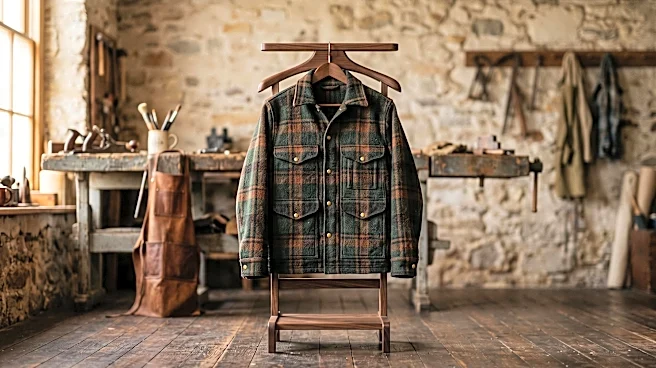






A waxed cotton jacket is more than just outerwear; it’s a story you wear. Unlike sterile synthetics, it’s designed to age, crease, and mold to your life. But there's a fine line between a rich patina and simple neglect. Here’s how to ensure yours ages
gracefully.
Patina vs. Damage: What's the Difference?
The core appeal of waxed cotton is its ability to develop patina, a unique visual story of its use. True patina is the desirable character your jacket earns over time. Think of subtle fades along the shoulders from carrying a bag, lighter creases at the elbows from years of movement, and a soft, lived-in texture that’s uniquely yours. These marks—sometimes called chalk marks—are not defects; they are the visual record of a life well-lived. Damage, on the other hand, is what happens when a jacket is neglected. This includes dry, cracking fabric where the wax has completely worn away, mildew spots from being stored damp, or tears that compromise the material's integrity. Patina tells a story of adventure; damage tells a story of abandonment.
The Absolute Don'ts of Waxed Cotton Care
Before we get into what to do, let's cover the cardinal sins of waxed cotton care. The most important rule is to never, ever put your jacket in a washing machine or dryer. The combination of detergent, heat, and aggressive tumbling will strip the wax coating, can cause it to melt unevenly, and may permanently damage the fabric. Similarly, avoid dry cleaning and the use of harsh chemical cleaners or bleach. Another critical mistake is improper storage. Stashing your jacket in a damp basement or a sealed plastic bag can trap moisture and lead to mold and mildew, which can ruin the cotton fibers. And finally, keep it away from direct heat sources like radiators or leaving it in a hot car, as high temperatures can soften and melt the wax, causing it to run.
Routine Cleaning: The Gentle Approach
So, how do you clean it? The process is simple and manual. For general dirt and dust, let any mud dry and then gently brush it off with a soft-bristled brush. For more persistent spots, use a sponge or cloth with cold water only. Wipe down the soiled area without scrubbing too aggressively. You're not trying to deep clean it like a pair of jeans; you're just removing surface grime while preserving the wax finish. After cleaning, always hang the jacket in a well-ventilated area and let it air dry completely before wearing or storing it.
The Art of Re-Waxing: Restoring Your Jacket's Armor
Re-waxing is the single most important maintenance task for ensuring your jacket’s longevity and weather resistance. It's recommended to do this every year or two, depending on wear. You'll know it's time when the fabric looks dry and lighter in color, or when water no longer beads up and instead soaks into the cotton. First, ensure the jacket is clean and dry. Then, get a tin of wax dressing, often available from the jacket’s manufacturer. Place the tin in a bowl of hot water for about 20 minutes to soften the wax to a liquid consistency. Working in a warm room, use a clean cloth or sponge to apply the wax in even strokes, paying special attention to high-wear areas like seams, shoulders, and elbows. You want to work it into the fabric, not just paint it on top. Once coated, you can gently use a hairdryer on a low setting to help the wax absorb evenly and create a smooth, factory-like finish. Finally, hang the jacket to cure in a warm place overnight.