


The Street as the Real Runway
Long before the first model steps onto a formal catwalk, the show has already begun on the cobblestones outside. The streets of Paris morph into a sprawling, unofficial runway where the attendees are the main event. Editors, influencers, and fashion enthusiasts
turn sidewalks into a live-lookbook of what's to come. During the most recent Spring/Summer 2027 shows, the pavement was a sea of bold leather, vibrant coats, and baggy jeans, showcasing personal style as a key part of the week's narrative. This isn't just people-watching; it's a dynamic, breathing exhibition. Photographers swarm, capturing the spontaneous energy that official shows, for all their polish, can't replicate. The eclectic mix of high fashion and individual interpretation creates a unique buzz, proving that the clothes are only half the story. The other half is how they live and breathe in the city itself.
Landmarks as Living Sets
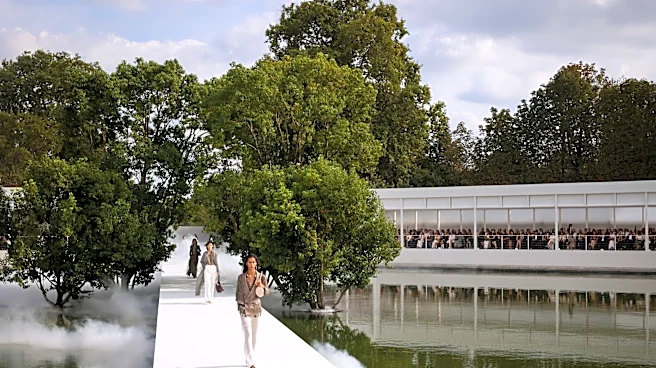
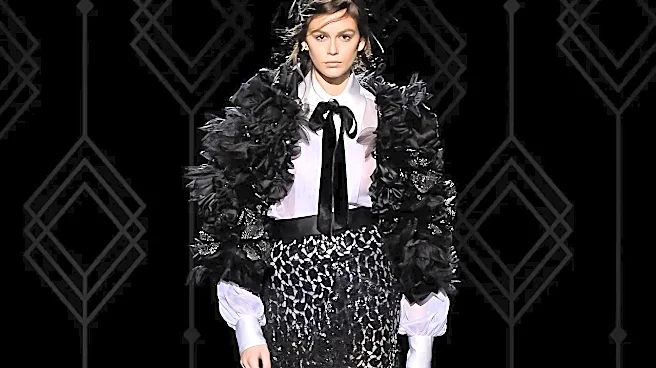
Designers in Paris have a unique advantage: a city full of iconic, story-filled locations. Rather than building sets from scratch, many choose to integrate Paris's architectural heritage directly into their presentations. Brands have long used historic venues like the Grand Palais, the Louvre, and the gardens of the Musée Rodin. Recent seasons have seen shows staged in front of the Eiffel Tower and within the contemporary, concrete walls of the Palais de Tokyo. These choices are deliberate. Showing at a historic palace lends an aura of timeless elegance, while a raw, industrial space suggests modernity and rebellion. For the Autumn/Winter 2026 season, Dior transformed the Jardin des Tuileries into an immersive park-within-a-park, blurring the lines between nature, architecture, and fashion. By returning to the same venues, brands like Saint Laurent and Chanel build a powerful association, making the architecture as much a part of their brand identity as their logos.
The City's Supporting Cast
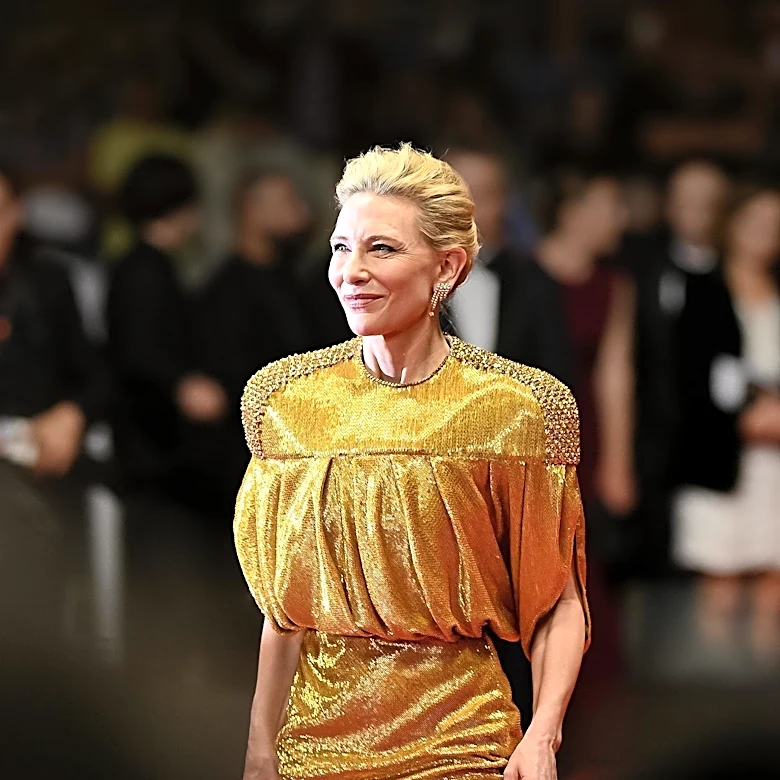
The Fashion Week ecosystem extends far beyond the show venues. The city's cafes, hotel lobbies, and public squares become extensions of the front row. The Marais and Saint-Germain-des-Prés buzz with an energy that feels both exclusive and public. You might see a celebrity stepping out of a car, a group of models grabbing a coffee between fittings, or a major editor taking a call on a picturesque corner. These moments, captured and shared globally on social media, add to the mystique and accessibility of the event. Even for Parisians not directly involved, the week is unmissable. While some locals express frustration at the traffic jams and crowds, others embrace the creative atmosphere that descends on the city. Passersby might encounter the most extravagant outfits on their daily commute, finding unexpected inspiration in the temporary transformation of their hometown.
An Open-Air Spectacle
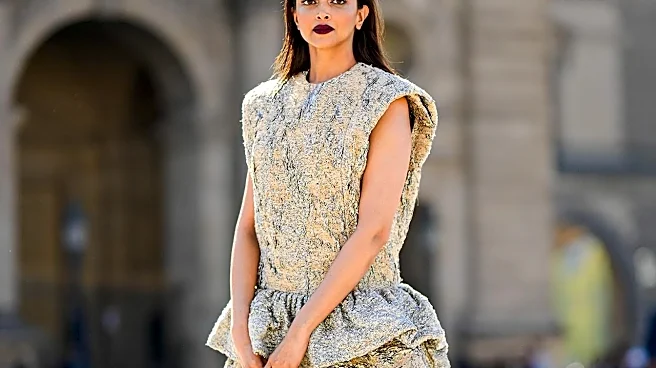
While most of the main runway shows on the official calendar are invitation-only, the spirit of Paris Fashion Week is increasingly spilling out into the open for everyone to experience. Brands are recognizing the power of public-facing events. A recent example is the L'Oréal Paris show, which took over the Place Joffre at the foot of the Eiffel Tower. This open-air catwalk, free and open to all, featured major international ambassadors and celebrated a message of empowerment, bringing the high-fashion experience directly to the public. It's a strategic move that acknowledges a modern truth: fashion's cultural power is amplified when it feels inclusive. These public spectacles, combined with the ever-present street style scene and designers' use of the city's public face, ensure that for nine days, Paris isn't just a location—it's an active and essential character in the story.