


It's Not a Single Dress Code
The first stumbling block is that 'black-tie' isn't one universally understood rule. You might see 'Black-Tie Optional' or 'Creative Black-Tie' on an invitation, and each carries different expectations. Traditional black-tie is the most formal: a tuxedo
with specific accessories for men, and a floor-length evening gown for women. 'Optional' offers flexibility, allowing a dark, formal suit for men or a chic cocktail dress for women as alternatives, though a tuxedo or gown is still preferred. 'Creative' black-tie encourages personality through things like a velvet dinner jacket, a unique bow tie, or a gown with bold colors or patterns. This ambiguity is the primary source of anxiety; no one wants to be the only person in a suit in a sea of tuxedos, or vice-versa. When in doubt, it's always safer to err on the side of being more formal.
The Investment Can Be Intimidating
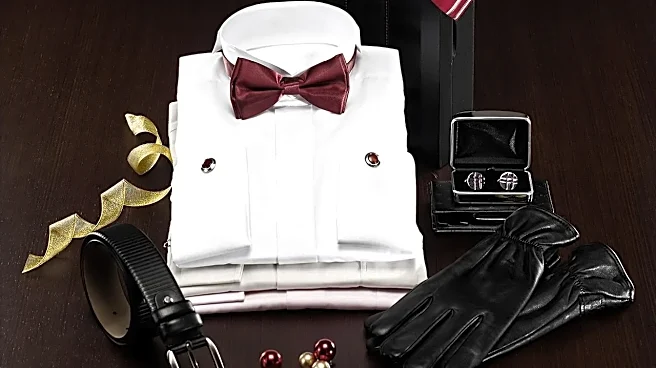
Let's be honest: black-tie is expensive. For men, a quality tuxedo is a significant purchase. While renting is a more accessible option, a single rental can still cost over $150. This doesn't even include the required accessories: a proper formal shirt, cufflinks, a bow tie, and patent leather shoes. For women, the expectation of a floor-length gown made from luxurious fabric like silk, velvet, or satin also comes with a hefty price tag, often running from $250 to over $500. While more affordable options exist at retailers like Lulus, the pressure to find something that looks high-end is real. The choice between renting a designer dress for one night or buying a more affordable one to keep is a common dilemma for first-time attendees.
The Fear of Getting It Wrong
Beyond the cost and confusing terms, there’s a social pressure that makes black-tie shopping so fraught. It’s a high-stakes style test. This isn't just about looking nice; it’s about showing respect for the event and the hosts. Underdressing is the biggest fear—showing up in a regular suit to a strict black-tie event is a common blunder. But overdressing is also a concern. For women, this can mean avoiding anything that might compete with the bride. The strictness of the rules—floor-length gowns only, no minis; tuxedos, not just any suit—leaves little room for error. This pressure can turn what should be a fun shopping trip into a stressful search for the single, perfect, 'correct' outfit.
The Devil Is in the Details
A successful black-tie look isn't just about the main garment; it’s about dozens of small, crucial details that are easy for a novice to miss. For men, it’s not just any white shirt; it's a formal one, often with pleats or a piqué bib. The trousers don't have belt loops. The shoes should be patent leather or highly polished dress shoes. For women, accessories must be elevated—an elegant clutch, not an everyday bag. Even the fit is non-negotiable; a gown or tuxedo that is even slightly too big or too small can ruin the entire effect, making tailoring an essential, and often overlooked, final step. Ignoring these details is the fastest way to look like you're playing dress-up rather than embodying true formal elegance.