


The Camp for Pure Performance
On one side of the divide are the functionalists—designers who believe a raincoat’s primary, and perhaps only, purpose is to conquer the elements with ruthless efficiency. For them, good design is measured in objective performance metrics: waterproof
ratings, breathability indexes, and seam-sealed construction. This is the world of 'techwear,' where brands like Arc'teryx and Acronym are revered. Their creations often feature futuristic aesthetics, minimalist branding, and advanced materials like Gore-Tex that prioritize keeping the wearer bone-dry and comfortable above all else. To this camp, a traditional coat that gets heavy when wet or lacks ventilation is a design failure, no matter how iconic its silhouette. They argue that modern life, even in an urban setting, demands clothing that functions as high-performance gear. The look is often sleek, modern, and inspired by outdoor sports, viewing the raincoat not as an accessory but as a piece of essential equipment.
The Devotion to Timeless Form
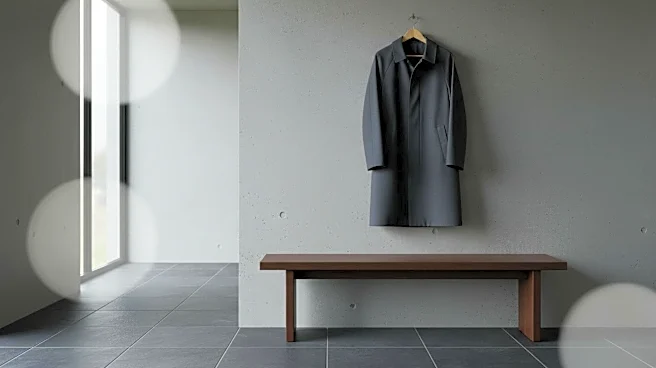
Opposing the tech disciples are the heritage purists. These designers look to history and champion the enduring elegance of classic silhouettes like the trench coat and the Mackintosh. For them, a raincoat is an integral part of a wardrobe, an object of style that happens to provide protection. They value the drape of traditional fabrics like cotton gabardine, the material patented by Thomas Burberry, or the unique character of waxed cotton. This school of thought argues that technical fabrics can feel sterile and lack the soul of garments that have evolved over a century. The appeal lies in the cinematic flair of a belted trench or the clean lines of a single-breasted mac, which can be thrown over anything from a suit to jeans. While a classic trench might not withstand a torrential downpour as well as a modern technical jacket, its proponents argue that it wins on versatility and sophistication, which are functions in their own right.
The New Wave of Hybrids
The debate isn't purely a binary choice between a lab-engineered shell and a military-inspired classic. A growing number of designers are blurring the lines, creating hybrid garments that seek to offer the best of both worlds. You'll see trench coats with modern, oversized cuts made from technical nylon, or jackets with classic tailoring that incorporate hidden storm flaps and laser-cut ventilation. Brands are experimenting with high-performance materials that still feel luxurious and developing eco-friendly alternatives that challenge both petroleum-based synthetics and traditional cottons. For instance, some designers are creating garments from innovative materials like algae-based plastics or recycled textiles, pushing the conversation beyond just form and function into sustainability. This approach acknowledges that the modern consumer wants a coat that not only performs well and looks good but also aligns with their values.
Is It Clothing or Is It Gear?
Ultimately, the disagreement over the raincoat boils down to a single philosophical question: Is it clothing or is it gear? The 'gear' perspective sees a problem (rain) and engineers a solution, prioritizing function above all. The 'clothing' perspective sees a human need (staying dry) within the broader context of personal expression, social occasion, and aesthetic pleasure. One side asks, “How waterproof can we make it?” while the other asks, “How does it make you feel?” There is no right answer, and senior designers land on different points of this spectrum based on their own ethos. The techwear purist might see a classic trench as hopelessly outdated, while the traditionalist might view a high-tech jacket as charmlessly utilitarian and lacking in versatility. This fundamental tension is what makes the raincoat such a fascinating object of design.