
Two Stages, Two Audiences
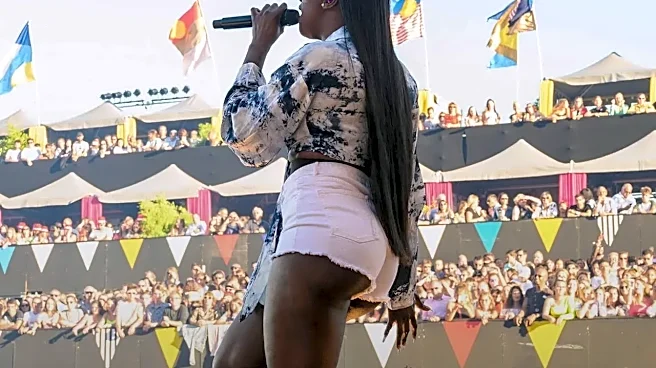
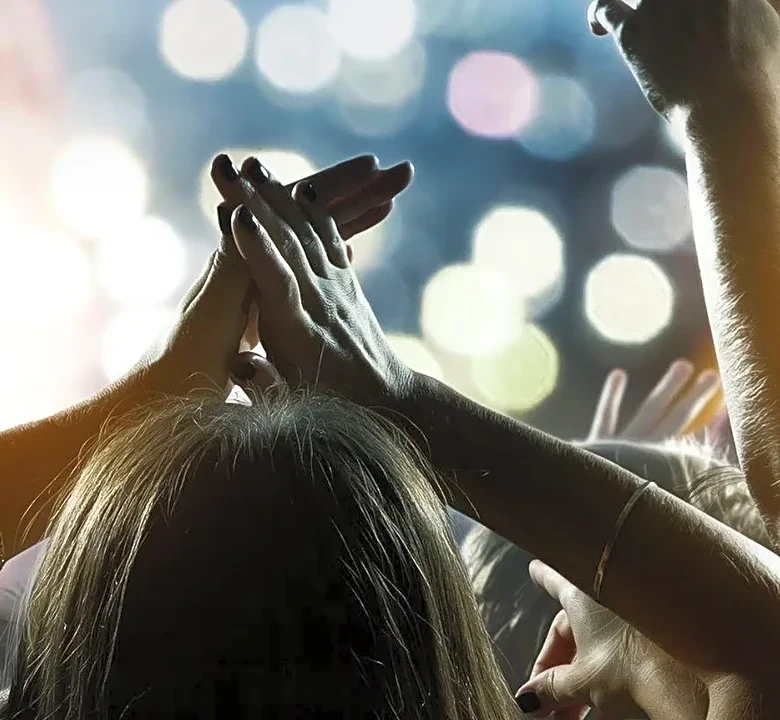
The fundamental challenge for any artist at a major festival is playing to two completely different audiences at once. There’s the sea of thousands of fans in Zilker Park, experiencing the visceral energy of a live show. Then there are the millions watching
the webcast, whose entire experience is mediated by a camera lens. A performance that feels explosive and immersive in person can feel distant or chaotic on screen. Artists and their choreographers must therefore create a show that satisfies both. It’s a delicate balance between projecting energy to the back of a massive field and delivering nuanced, engaging moments for a close-up shot that could be seen by anyone around the world.
Choreography for the Close-Up
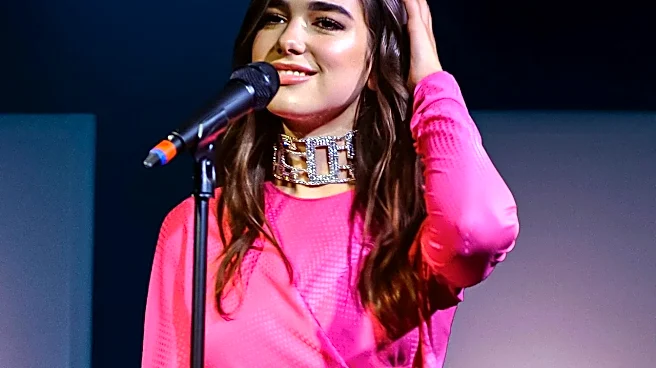
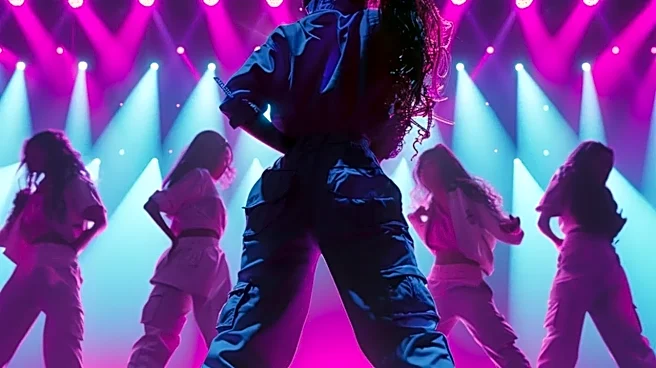
So, how do they do it? The choreography itself is often modified for the broadcast. While expansive leaps and intricate footwork look incredible on a 40-foot stage, they can get lost on a screen, where the dancer’s feet may not even be in the frame. Instead, choreography for a festival broadcast often emphasizes what reads best in a medium or close-up shot. This means more focus on sharp, readable upper-body movements, intricate arm and hand gestures (like tutting and waacking), and expressive facial performances. A subtle smirk or a powerful glare, lost to the live crowd, becomes a central part of the broadcast narrative. The movement is scaled for the screen, turning small gestures into powerful statements.
Playing to the Camera
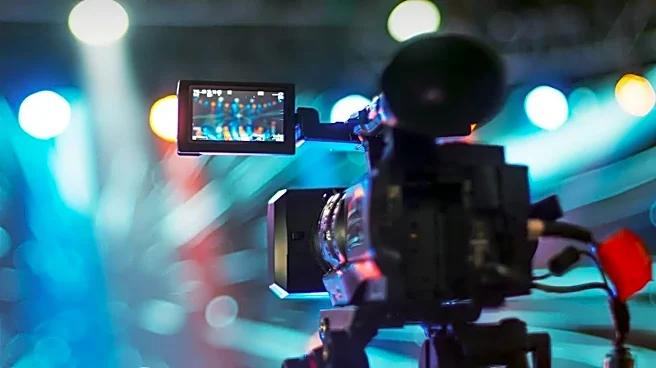
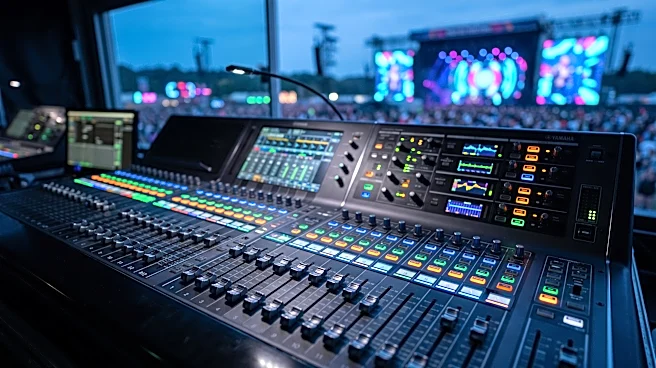
It’s not just about changing the dance; it’s about performing with the cameras. At major festivals like ACL, a director in a control room is managing feeds from multiple cameras: handhelds in the pit, stationary cameras near the soundboard, and sweeping crane or jib shots that fly over the crowd. Experienced performers know where these cameras are and, crucially, when to engage with them. They learn to treat the camera as another character in the scene, directing a specific move or a powerful look right down the barrel of the lens. This creates a sense of direct connection and intimacy for the home viewer, making them feel seen. This skill separates good performers from great broadcasters; it's the ability to break the fourth wall and pull the livestream audience onto the stage.
More Than Just Moves
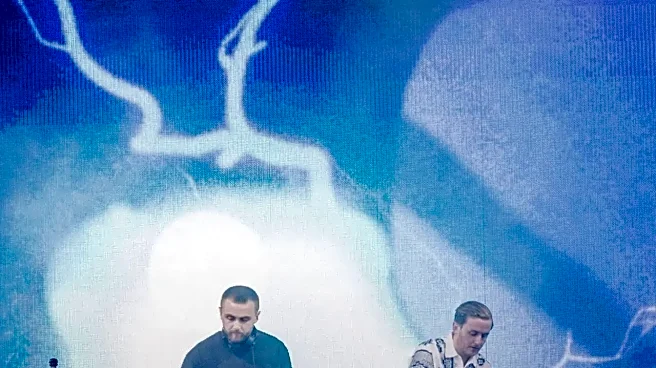
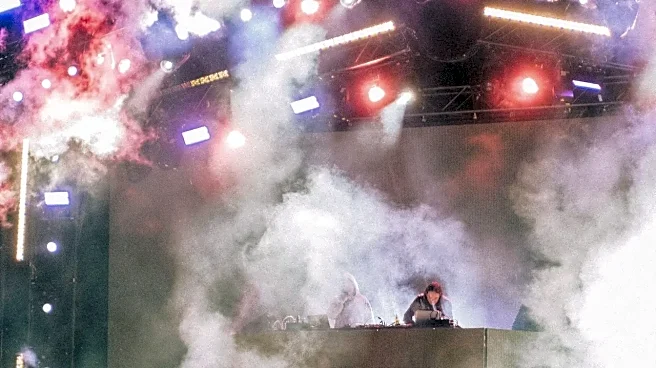
Adapting a dance break for the cameras goes beyond just the physical movement. Lighting, staging, and even costumes are all part of the equation. A complex, fast-changing lighting design that looks spectacular in person might translate into a flickering, incomprehensible mess on video. Lighting directors work to create looks that are both dynamic for the live crowd and clean for the cameras. Similarly, the massive LED screens behind the artists become even more important for the broadcast. They provide a controlled, dynamic background that helps frame the action. Every element is considered through the dual lens of the live fan and the viewer at home, ensuring that the magic of the moment translates, no matter where you're watching from.