


The Uncontested Champion of Nostalgia
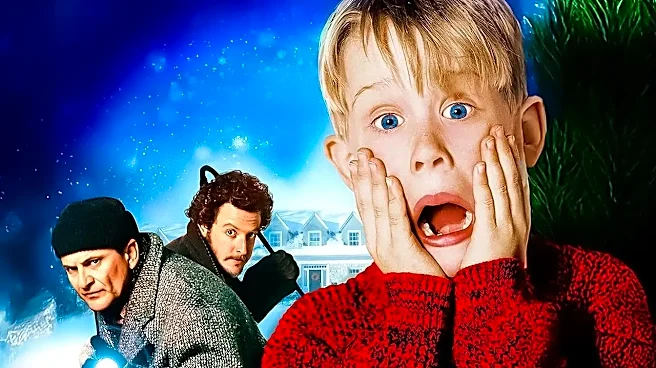
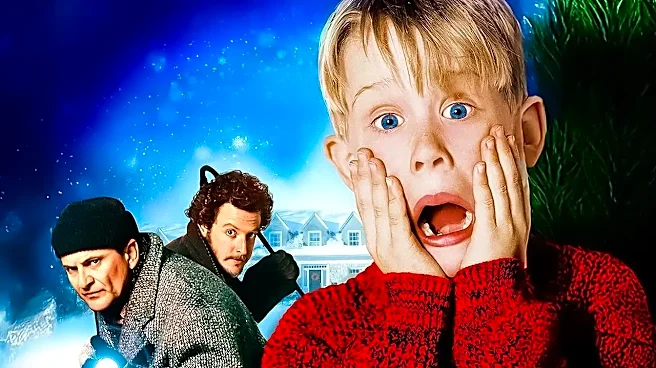
For many parents, particularly millennials who were kids when it was released in 1990, 'Home Alone' isn't just a movie; it's a core holiday memory. The film is a perfect storm of 90s nostalgia, from the John Hughes script to John Williams' iconic score.
At its heart, it’s a childhood power fantasy. Kevin McCallister isn't just forgotten; he's liberated. He eats junk food, watches gangster flicks, and, most importantly, defends his turf with brilliant, Rube Goldberg-esque ingenuity. The film taps into universal themes of family and belonging, but its primary appeal is the vicarious thrill of a kid outsmarting the grown-up world. The slapstick violence is cartoonish, and the eventual reunion is heartwarming, making it a foundational piece of holiday viewing that parents are eager to pass down.
The New Classic on the Block
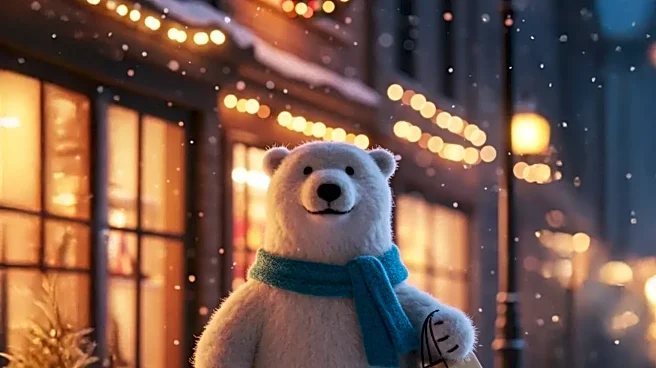
Released on Netflix in 2019, 'Klaus' arrived with less fanfare but quickly built a reputation as a modern masterpiece, even earning an Academy Award nomination. For a younger generation not tethered to 90s nostalgia, its appeal is immediate. The film is, first and foremost, visually stunning. Director Sergio Pablos, who also co-created 'Despicable Me', blended traditional hand-drawn animation with innovative digital lighting techniques to create a look that feels both classic and revolutionary. But beyond its beauty, 'Klaus' offers a different kind of holiday story. It's a Santa Claus origin story that’s less about magic and more about human connection. The central theme—that 'a true selfless act always sparks another'—resonates deeply, transforming a cynical postman and a divided town through simple kindness. It’s a narrative that feels emotionally complex and earned, a perfect fit for a generation that grew up with prestige animation like 'Spider-Man: Into the Spider-Verse'.
It's More Than Just a Movie Choice
The split between 'Home Alone' and 'Klaus' highlights a deeper generational shift. 'Home Alone' is fundamentally conservative in its theme: Kevin’s goal is to protect the status quo and his family’s home from invaders. His triumph is a return to normalcy. 'Klaus,' on the other hand, is about building something new. The town of Smeerensburg is broken, and the protagonists work to create a better, kinder community from the ground up. The humor is different, too. 'Home Alone' relies on clever pranks and physical comedy. 'Klaus' finds its heart in character development and situational irony, following a spoiled protagonist's journey to selflessness. Parents are drawn to the nostalgia and the simple, satisfying fantasy of Kevin’s adventure. Teens, many of whom have little connection to the 90s cultural landscape, are captivated by a fresh, emotionally resonant story that champions altruism and features breathtaking artistry. It's a classic battle of nostalgia versus novelty, comfort versus critique.
How to Bridge the Holiday Gap
So, how do you solve the annual remote-control standoff? The answer isn't to declare one movie superior. Instead, the solution might be a double feature. The generational divide isn't a problem to be solved but a tradition in the making. Holiday classics aren't just inherited; they're created. Baby Boomers had 'It's a Wonderful Life,' Gen X had 'Christmas Vacation,' and Millennials have 'Home Alone' and 'Elf.' It’s only natural for Gen Z to anoint its own champions, with 'Klaus' being a prime contender. The real tradition is the act of watching together. By making space for both the cherished classics of the past and the celebrated stories of the present, families can expand their holiday canon. It’s a chance for parents to share a piece of their childhood and for kids to introduce a new story that might just become a beloved classic for the next generation.