
The ‘Skinification’ of Hair Care
If you’ve heard the term “skinification” and wondered if it was just another marketing buzzword, you’re not alone. But the concept is simple and surprisingly logical: it’s about treating the skin on your head with the same care and principles you apply
to the skin on your face. For years, the industry treated the scalp as an afterthought, something to be cleansed incidentally while washing your hair. The new approach understands that the scalp is a living, breathing ecosystem with pores, oil glands, and a microbiome. Just like your face, it can become clogged, oily, or dry, and these imbalances directly impact how your hair looks and grows. This shift in thinking paved the way for a new category of products designed not for the hair, but for the skin beneath it.
What’s Really Happening On Your Scalp
Your scalp is a busy place. It constantly produces sebum (natural oil), sheds dead skin cells, and collects residue from styling products, sweat, and environmental pollutants. Over time, this combination creates a layer of buildup. Think of it like neglecting to exfoliate your face; eventually, pores get clogged and skin looks dull. On the scalp, this buildup can block hair follicles, leading to irritation, flakiness, and even inhibited hair growth. While shampoos are designed to clean, they often can't fully break down this stubborn mixture of oil and dead skin, which is where a more targeted solution comes into play.
Enter the Scalp Scrub
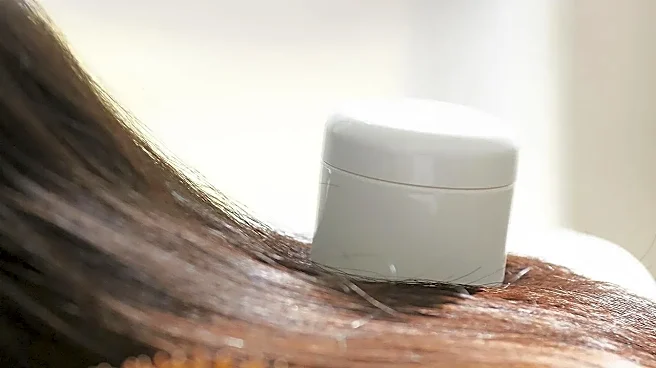
A scalp scrub is an exfoliating treatment designed specifically to do what your shampoo can’t: provide a deep, mechanical or chemical cleanse for the scalp itself. Physical scrubs use gentle abrasives like sugar, salt, or jojoba beads to manually lift away dead skin cells and product residue. Chemical exfoliants use ingredients like salicylic or glycolic acids—the same heroes from your facial skincare—to dissolve the bonds holding dead cells and buildup together, allowing them to be rinsed away. The goal isn’t to scrub your hair, but to gently massage the product onto the scalp, clearing the way for healthier follicle function. The practice itself isn't entirely new—cultures have used abrasive materials for exfoliation for centuries—but its packaging into a mainstream, luxury consumer product is a modern phenomenon.
The Real Benefits of a Reset
The results of regular scalp exfoliation go beyond just feeling “clean.” By removing buildup, you unclog hair follicles, which creates an optimal environment for healthy hair growth. Many users report that their hair feels lighter and has more volume at the roots. The massaging motion required to apply a scrub also boosts blood circulation to the scalp, which helps deliver essential nutrients to the hair roots, promoting stronger strands. Furthermore, a clean scalp can better absorb other treatments, like serums and conditioners, making your entire routine more effective. For those with oily scalps, exfoliation can help balance sebum production, while those with dry, itchy scalps may find relief from flakes and irritation.
How to Join the Revolution
Integrating a scalp scrub is simple. Experts generally recommend using one once a week, or as little as once every 15 days, depending on your scalp type and product usage. It's typically the first step in your shower routine, applied to wet hair before shampooing. Using your fingertips (not your nails), gently massage the scrub in circular motions across your entire scalp, focusing on areas where you notice buildup. Rinse thoroughly to ensure no particles are left behind, then follow with your regular shampoo and conditioner. While most people can benefit, those with very sensitive scalps or conditions like psoriasis or eczema should consult a dermatologist before jumping in, as exfoliation could cause irritation.