






The Foundation: Fit Is Everything
Before you think about color, fabric, or accessories, let's talk about the single most important element: fit. A perfectly tailored outfit is the bedrock of looking great. An inexpensive suit that fits like a glove will always look more luxurious than
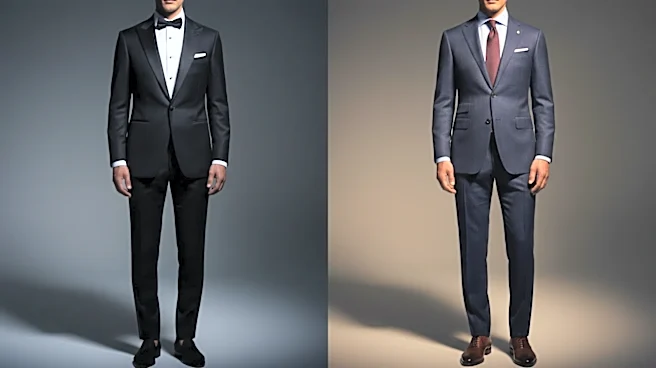
a high-end designer piece that’s too baggy or too tight. For jackets, the seams should sit squarely on your shoulders, and you should be able to button it without the fabric straining. The sleeves should end just above your wrist bone, allowing about a half-inch of your shirt cuff to show. Trousers should have a clean line, with a slight break where they meet your shoes, not a puddle of fabric. This isn't just about looking sharp; a well-fitting garment is more comfortable and allows you to move with confidence.
Color: Think Beyond Basic Black
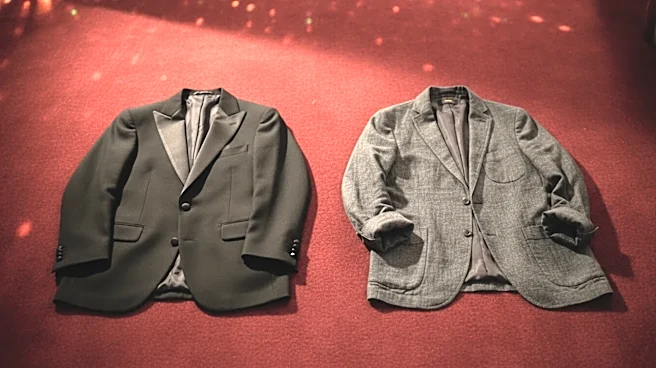
A classic black tuxedo is timeless for a reason, but modern formalwear has embraced a richer palette. For men, deep jewel tones like emerald green, burgundy, and especially midnight blue are sophisticated alternatives that stand out in a sea of black. These colors are dark enough to remain formal but have more personality. For women, while a little black dress is always an option, vibrant hues are taking center stage. Rich crimsons, metallics, and icy silvers are making waves. The key is to let a bold color be the statement; keep the silhouette clean and accessories minimal. Earthy tones like olive, cocoa, and sand are also entering the formal space, offering a fresh, modern neutrality.
For Women: The Power of the Silhouette
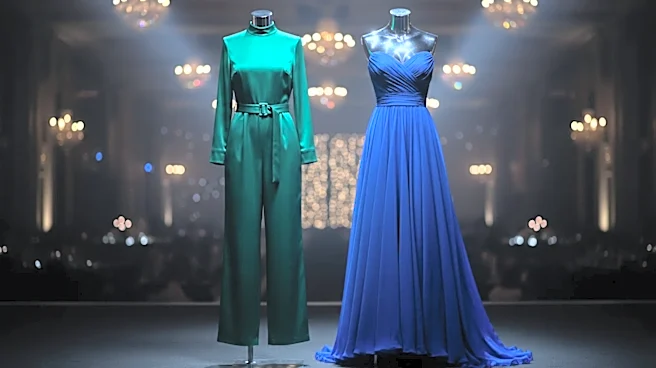
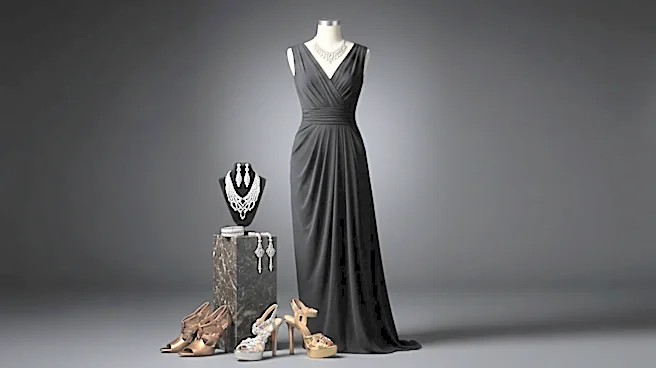
Modern women's formalwear is less about a fairytale ball gown and more about a powerful, elegant silhouette. Sleek, tailored jumpsuits in luxurious fabrics like crepe or satin offer a chic and comfortable alternative to a traditional dress. Similarly, a beautifully cut pantsuit can be incredibly striking. If you do opt for a dress, consider modern details like an asymmetrical neckline, a tasteful cutout, or a high slit balanced by a modest bodice. The focus is shifting from heavy sparkle to interesting textures like rich velvets, layered chiffon, and structured silks that create depth and movement. The goal is to feel commanding and elegant, not costumed.
For Men: It’s in the Details
This is where you bridge the gap between “prom rental” and “ESPYs red carpet.” Avoid the pre-matched tie and pocket square set. Instead, your accessories should complement, not match perfectly. A classic black bow tie is a must for a tuxedo, but the fabric—velvet or silk—can add texture. With a suit, a silk tie in a complementary color adds polish. Your shoes matter immensely; well-polished black leather Oxfords are the gold standard for black tie. For a modern twist with a dark suit, velvet loafers can add a touch of personality without looking too casual. Finally, simple, elegant cufflinks and a classic watch are all the jewelry you need. Overdoing it with accessories is one of the fastest ways to look overdone.
Decode the Dress Code
Understanding the invitation's instructions is your first step to success. "Black Tie" is the most formal, requiring a tuxedo for men and a floor-length gown or elegant evening separates for women. "Black Tie Optional" gives you some leeway; you can wear a tuxedo or a dark suit and tie. "Cocktail Attire" or "Semi-Formal" usually means a suit and tie (not necessarily dark) for men and a shorter dress or chic separates for women. When in doubt, it’s always better to be slightly overdressed than underdressed. But remember, context is king. A beach wedding's "formal" is very different from a gala's "formal."