




More Than Just a Bigger Screen
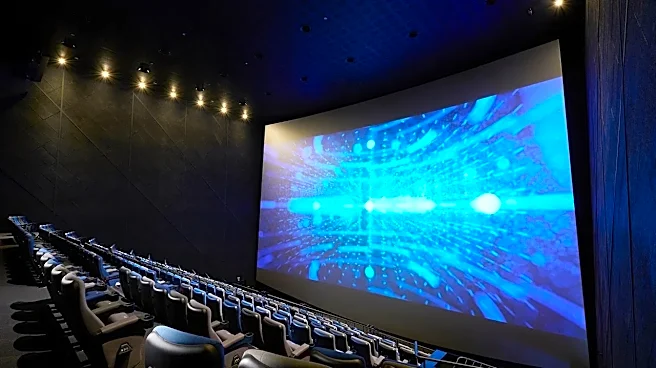
First, let’s define our terms. When we talk about “premium screens,” we’re referring to what the industry calls Premium Large Formats, or PLFs. This isn’t just about a slightly larger screen; it’s a branded, technologically superior experience. The major
players are IMAX, with its massive, curved screens and proprietary cameras, and Dolby Cinema, which boasts high-dynamic-range projection and immersive Atmos sound. Other formats like ScreenX, which extends the picture to the theater’s side walls, and 4DX, with its motion seats and environmental effects, also fall under this umbrella. The key differentiator is that exhibitors can charge a significant surcharge for these auditoriums. While a standard evening ticket averages around $16 in 2026, a premium format seat can easily cost between $20 and $25, and sometimes much more in major cities.
The New Math of Blockbuster Profitability
That price difference is where the economic model shifts. For a tentpole film with a budget soaring past $200 million, every dollar counts. A higher ticket price means more revenue per viewer, helping studios recoup their massive investments faster. In fact, the impact is disproportionately large. In 2024, PLF screens accounted for over 15% of the North American box office, a figure that continues to climb. Some reports show that for major blockbusters, PLFs can contribute up to 40% of the opening weekend domestic gross. For example, half of the opening weekend audience for Christopher Nolan's 2026 epic The Odyssey chose a premium format. This isn't just a niche audience; it's a core driver of profitability. Theater chains like Cinemark have reported their own branded XD screens generating 13-15% of their box office from less than 5% of their screens, proving the immense value packed into these few, high-priced auditoriums.
Turning Fall into a Power Season
Historically, the fall movie season—from September to early November—was seen as a cinematic dead zone between the summer blockbusters and the holiday awards contenders. It was often a space for smaller dramas, horror flicks, and films studios weren't quite sure what to do with. The financial security offered by premium formats has changed that calculus entirely. Studios are now more willing to release nine-figure budget films in October because the higher per-ticket revenue from PLFs de-risks the investment. A film doesn't need to attract the same massive number of viewers as a summer release if a significant portion of its audience pays a premium. We’ve seen this strategy pay off with fall releases like Joker, Dune, and the recent success of Practical Magic 2 in September 2026. The success of these films proves that with the right marketing and the draw of a premium experience, audiences will show up for event-level movies year-round.
The Experience Is the Product
In an era dominated by at-home streaming, the theatrical experience needs to offer something special to convince people to leave their couches. Premium formats are Hollywood's answer. They transform a simple movie screening into a must-see event, particularly for directors like Christopher Nolan or Denis Villeneuve who design their films specifically for these formats. Audiences, especially younger demographics, are increasingly seeking immersive, event-driven entertainment, and they have shown a consistent willingness to pay for it. The strategy is working so well that studios are now marketing the format as much as the film itself, with trailers and posters urging audiences to see it in IMAX or Dolby. This creates a powerful feedback loop: as audiences flock to premium screens, exhibitors are incentivized to build more of them, which in turn encourages more filmmakers to create content that takes full advantage of the technology.