


The Highest-Stakes Handshake in Sports
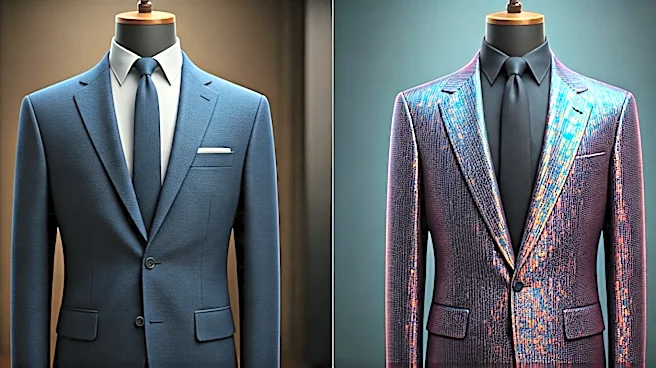
Whether it’s Adam Silver in the NBA or Roger Goodell in the NFL, the draft-night handshake is a powerful piece of television theater. It’s a symbolic transfer of trust, a welcome into an exclusive club. The athlete, often decked out in a flashy, custom
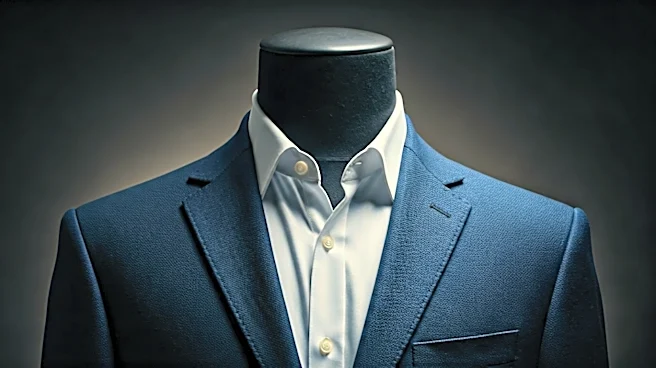
suit, holds up a jersey, dons a team cap, and beams for a photo that will be endlessly replayed. But zoom in on that handshake. As the commissioner grips the player’s hand, the camera inevitably frames their wrists. And in that moment, a fundamental rule of men’s style is either honored or completely ignored. This is the great sartorial equalizer. It doesn’t matter if the suit is a $10,000 bespoke creation or a rental; the relationship between the jacket sleeve and the shirt cuff is suddenly, unavoidably, on full display for millions to see. For a fleeting second, athletic potential is secondary to tailoring.
The Unforgiving Science of the Sleeve
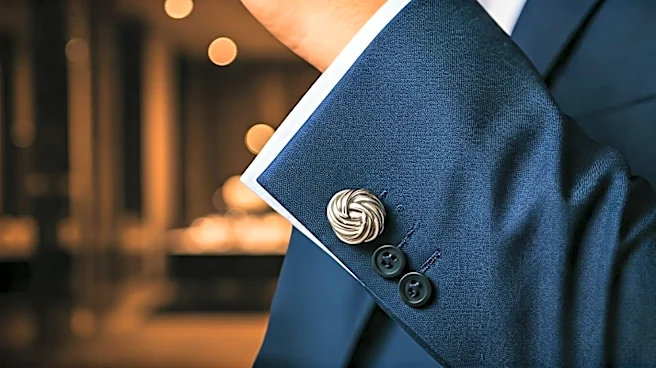
So, what’s the big deal? It’s just a sleeve. In the world of classic menswear, however, it’s a crucial detail that separates a good suit from a great one. The rule, passed down through generations of tailors and style guides, is simple: about a quarter-inch to a half-inch of the shirt cuff (the “linen”) should be visible beyond the end of the jacket sleeve. This isn’t arbitrary snobbery. Functionally, it protects the more expensive jacket fabric from fraying and soil. Aesthetically, it does something much more important. That sliver of white or patterned cuff creates a clean, deliberate visual break, elegantly framing the hands. It visually lengthens the arms, making the wearer appear leaner and more composed. When the jacket sleeve is too long, it swallows the shirt cuff entirely, creating a blocky, unfinished look. It suggests the suit is wearing the man, not the other way around. When it’s too short, it looks like a growth spurt accident. Getting it right signals polish, confidence, and an understanding that details matter.
Why Draft Night is a Tailoring Minefield
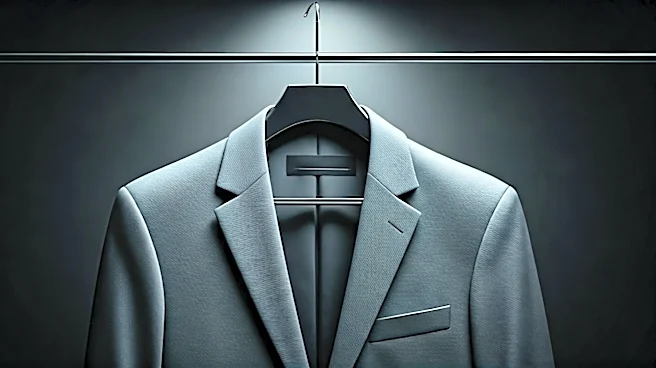
It’s easy to critique from the couch, but draft night presents a perfect storm of style challenges. For many of these young men, this is the first truly significant suit of their lives. They are not yet seasoned professionals with a trusted tailor on speed dial. More importantly, professional athletes are not built like off-the-rack mannequins. A point guard’s wingspan or a defensive end’s massive shoulders defy standard sizing. A suit that fits in the chest might have sleeves that are comically long or short. A proper fit requires time and multiple fittings with a skilled tailor who can adjust for these unique proportions—a luxury not always afforded in the chaotic run-up to the draft. The result is often a well-intentioned but ill-fitting garment. The jacket sleeve either creeps down over the knuckles or rides high up the forearm, turning that pivotal handshake into an unintentional fashion faux pas.
More Than Just a Cuff
Ultimately, the obsession with cuff length isn’t just about being fussy. It’s a proxy for something bigger. The suit worn on draft night is a costume for a new role: professional. It’s a visual statement that you’re ready for the big leagues, not just on the court or field, but in press conferences, charity events, and endorsement meetings. It’s a piece of armor for a night of intense public scrutiny. When the details are right—the shoulder fits, the jacket length is correct, and the shirt cuff makes its polite appearance—it projects a sense of control and preparedness. It says, “I belong here.” When they’re wrong, it subtly hints at youth and inexperience. It’s a small, forgivable error, but a telling one. The handshake with the commissioner is the first test of a new professional identity, and while a perfect spiral or a flawless jump shot is what gets them there, a perfectly tailored sleeve is what helps them look the part.