






By the Numbers: Nine Super Bowls
Forget everything you know about a typical Cowboys Sunday. The scale of the 2026 FIFA World Cup in Dallas-Fort Worth is on another level entirely. The region was awarded a tournament-high nine matches, including five group stage contests, two knockout
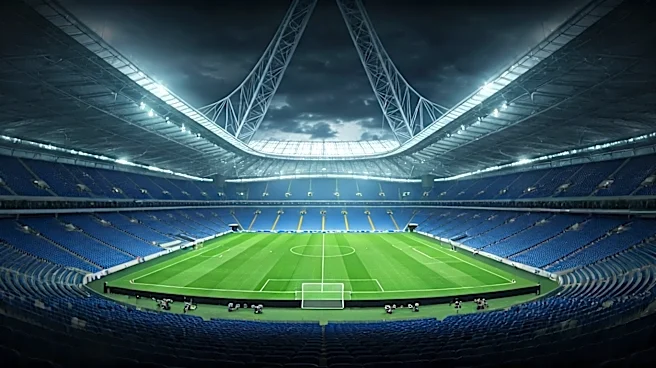
rounds, and a crucial semi-final on July 14. Each match is often compared to hosting a Super Bowl in terms of economic activity and logistical complexity. FIFA is temporarily renaming AT&T Stadium to "Dallas Stadium" for the event, a venue that will see its capacity pushed to its limits. While the official tournament capacity is listed around 93,000, the stadium has previously held over 100,000 fans for major events and will be the largest venue in the tournament. To meet FIFA’s stringent standards, the stadium is undergoing significant upgrades, including the installation of a natural grass pitch grown specifically for the event.
The Human Wave of Fans
A World Cup matchday isn't just about the 90,000-plus fans inside the stadium; it's about the hundreds of thousands who will pour into the region. Projections estimate that up to 100,000 visitors could descend on North Texas for each match day. With over half of attendees expected to be international visitors, the event will transform the metroplex into a global village. Beyond the stadium, a massive, multi-week Fan Festival will be held at Dallas's Fair Park, creating another center of gravity for tens of thousands of supporters. This influx presents an enormous challenge and opportunity for the region's hotels, restaurants, and entertainment venues. To manage the crowds, organizers are promoting city-wide cultural events and creating special discount passes to encourage visitors to explore beyond the immediate vicinity of the stadium.
A City Within a City: The Logistical Test
Moving hundreds of thousands of people in a region not known for its robust public transit is perhaps the single greatest challenge. The transportation plan is a complex, multi-modal strategy. The Trinity Railway Express (TRE) will serve as the primary rail option, connecting downtown Dallas and Fort Worth to CentrePort Station. From there, a fleet of charter buses will shuttle ticket-holders to a dedicated bus hub near the stadium, followed by a half-mile walk to the entrance. Officials are also designating a large lot for rideshare services, though it will still require a 10-15 minute walk. For locals, the message from organizers is clear: drive to the matches if you can to leave public transit options available for the thousands of international visitors who rely on them. The entire operation will be a massive, coordinated effort between DART, Trinity Metro, and regional transportation authorities to prevent gridlock.
Beyond the Final Whistle: The Economic Legacy
The economic forecasts for the event are staggering. The Dallas Sports Commission estimates a direct economic impact of over $1.5 billion for the region from the nine matches and associated activities. Some analyses project an impact as high as $400 million and the creation of 3,000 jobs. However, some economists caution that such large projections for mega-events can be exaggerated and that the true benefit might be more modest. Regardless of the final number, the long-term impact is about more than just tourism dollars. Hosting the World Cup, along with the International Broadcast Center at the Kay Bailey Hutchison Convention Center, puts Dallas-Fort Worth in the global spotlight for weeks. This exposure is seen as a powerful tool for attracting corporate relocations, future international events, and cementing the region's status as a premier global sports destination.