
The Convention Makeup Gauntlet
Before you even think about swiping on that chrome eyeshadow, understand what you’re up against. Convention halls are a unique battlefield for makeup. You’re dealing with long hours (often 12+), fluctuating
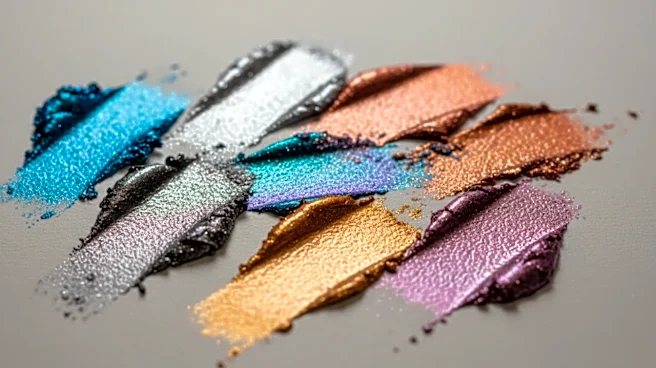
temperatures from crowded show floors to air-conditioned panel rooms, sweat from walking miles, and potential friction from masks or costume pieces. This environment is where makeup goes to die. Metallic formulas—powders, creams, and liquids—are especially prone to creasing, flaking into glittery dust, or smudging into a muddy mess. A test run isn't just a good idea; it's essential for survival.
Step 1: The Allergy Patch Test
The first and most critical test has nothing to do with longevity and everything to do with safety. Metallic pigments and the formulas they're in can sometimes cause contact dermatitis, an allergic reaction that can lead to redness, itching, or swelling. To perform a patch test, apply a small amount of the product to an inconspicuous area of skin, like behind your ear or on your inner forearm. Leave it on for at least 24 hours (unless the product, like a peel, has a specific shorter time limit). Check for any signs of irritation. If you see any redness, feel a burn, or start to itch, wash the product off immediately and do not use it on your face. A cool look is never worth an allergic reaction.
Step 2: The Full-Day Wear Test
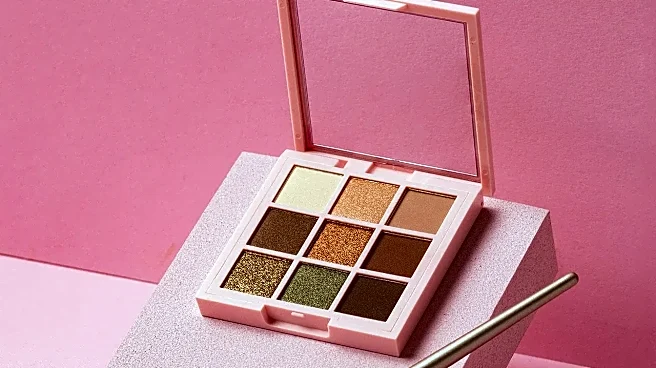
Once you've cleared the allergy test, it's time for a dress rehearsal. Apply the metallic makeup exactly as you plan to for the convention. This means using the same primer, foundation, and other base products. For eye makeup, always start with an eyeshadow primer to give the metallic pigments something to grip onto, which helps prevent creasing and improves longevity. Then, go about your day. A normal Saturday at home is a good start. Check your reflection every few hours. Is the eyeshadow creasing in your lid? Is the liquid liner flaking off? Is the chrome highlighter smudging or disappearing? Pay close attention to how the product behaves after six, eight, and twelve hours. This will give you a realistic idea of its staying power.
Step 3: Simulating Convention Stress
A regular day at home isn't a perfect match for a chaotic con floor. To truly put your makeup through its paces, you need to simulate the environment. Wear a face mask for an hour to see if the makeup transfers. Do some light cardio or walk around a bit to see how it holds up to sweat. If your cosplay involves a helmet or anything that touches your face, wear it for a while. The goal is to see how the metallic finish reacts to moisture and friction. If you notice significant smudging or breakdown, you know you need a stronger primer or a better setting spray. Many cosplayers swear by brands like Ben Nye for their heavy-duty setting products that lock makeup in place.
Step 4: The All-Important Removal Test
This is the step everyone forgets. After a grueling 12-hour day, the last thing you want is to spend another hour painfully scrubbing glitter off your face. Aggressive rubbing can cause micro-abrasions and serious irritation. During your wear test, see how easily the makeup comes off. Start with a good quality oil-based cleanser or micellar water, as oil is excellent at breaking down stubborn makeup and adhesives. Hold a soaked cotton pad on the area for a few seconds to let it dissolve the product before gently wiping. For any stubborn glitter particles left behind, gently pressing a piece of soft tape (like medical or washi tape) against the skin can lift them off without scrubbing. If removal is a nightmare, you may want to find a different product.
Primed for Success on Convention Day
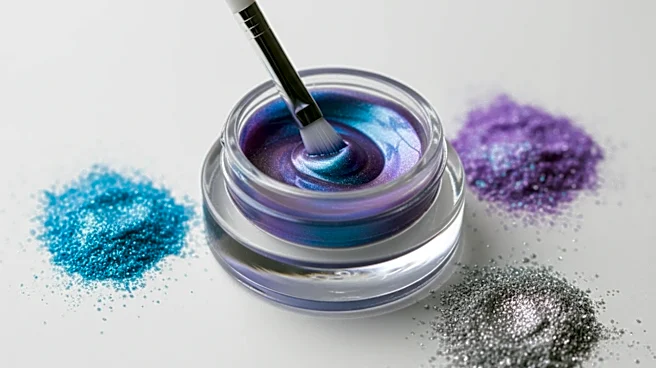
Your tests have provided valuable data. Now, use it. On the morning of the con, start with a clean, moisturized face. Apply the primer that performed best in your tests—a gripping primer is often ideal for long-wear situations. When applying pigments, press them onto the lid with a flat brush or your finger rather than sweeping to minimize fallout and build intensity. Layer your products in thin, even coats, allowing each one to set before moving to the next. Finally, lock everything in with both a translucent setting powder (using a press-and-roll motion, not a swiping one) and a reliable setting spray to seal your look for the long day ahead.