






The World's Biggest Party Arrives
For decades, it was a dream. Now, it's the reality buzzing on every street corner. Kansas City is a host city for the 2026 FIFA World Cup, the largest single sporting event on the planet. The city is set to host six matches, including four group stage
games, a crucial Round of 32 match on July 3, and a high-stakes quarterfinal on July 11. This tournament, the first-ever hosted across three nations, brings an unprecedented scale and an estimated 650,000 visitors to the metro area. For a city known for its passionate sports culture, this is the final exam. Years of planning and hundreds of millions of dollars in investment are now being put to the ultimate test under the world's watchful eye.
A Fortress Transformed
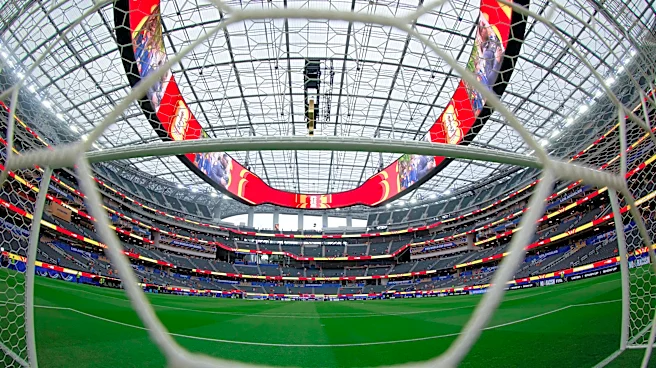
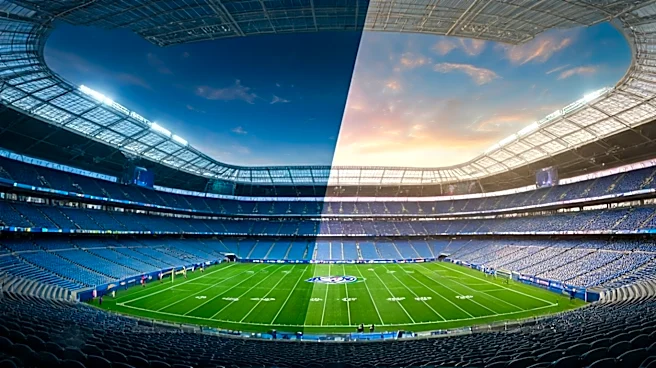
At the heart of the action is GEHA Field at Arrowhead Stadium, temporarily rebranded as Kansas City Stadium per FIFA regulations. The iconic home of the Chiefs, known for its record-breaking noise levels, underwent what the team's own CEO called "fairly major surgery" to prepare. To meet FIFA's exacting standards for a wider pitch, approximately 3,500 seats were removed and replaced with a modular system. The field itself was entirely regraded, and a new aeration system was installed to ensure a perfect playing surface. This $50 million transformation ensures the stadium is ready for its global close-up, a monumental task to prepare a 50-year-old American football fortress for the nuances of world-class soccer.
The City-Wide Crowd Test
The real test isn't just inside the stadium; it's across the entire region. The a “Connect KC 26” transportation plan is a massive undertaking, creating a temporary bus network to manage the influx. This system features dedicated express routes from the airport, regional park-and-ride hubs, and a central bus mall near the official FIFA Fan Festival. The goal is to create a seamless experience for fans traveling between matches, hotels, and the festival, which is being held against the iconic backdrop of the National World War I Museum and Memorial. With limited parking at the stadium itself, the success of this ad-hoc transit system is critical to preventing gridlock and ensuring fans get to the games.
More Than Just a Game
For Kansas City, the stakes are far higher than just hosting six soccer matches. This is a once-in-a-generation opportunity to showcase its cultural identity to the world. Beyond its famous barbecue, the city is highlighting its vibrant arts, music, and hospitality scenes. The FIFA Fan Festival is a prime example, functioning as a massive, free summer festival with live music and cultural events daily. The city has also invested in initiatives to support small businesses, hoping the economic boom reaches every neighborhood. It’s a chance to reintroduce Kansas City to a global audience as a dynamic, modern hub, the self-proclaimed "Soccer Capital of America."
A Legacy in the Making
While the city is immersed in the excitement of the tournament, leaders are already looking toward the future. The question is what legacy the World Cup will leave behind. The investments in infrastructure, from repaved streets and new pedestrian pathways to upgraded public safety measures, are designed to benefit residents for years to come. The experience of managing an event of this magnitude could also cement Kansas City's reputation as a premier destination for major international events. The pressure is immense, as one city councilman noted, “It's incredibly high stakes. We've got to get it right.” The hope is that the benefits will long outlast the final whistle of the last match.