

The Sedentary Story: Pressure, Heat, and Shine
For the millions of us who work at a desk, the primary enemy of our pants is a combination of pressure, heat, and friction concentrated in one area: the seat. When you sit, your entire upper body weight presses the fabric of your trousers against your chair.
This constant pressure, combined with subtle movements and body heat, begins to alter the fabric on a microscopic level. In materials like wool, this manifests as an unwelcome shininess known as 'glazing'. The fibers, which have a natural texture or 'nap', become flattened and polished smooth. As the surface becomes less textured, it reflects light more uniformly, creating a glossy patch that makes the pants look old and tired. Beyond just aesthetics, this constant pressure also puts immense strain on the rear seams and can lead to thinning of the material over time, creating a weak spot that’s prone to tearing.
The Mobile Pattern: Friction, Flexing, and Blowouts
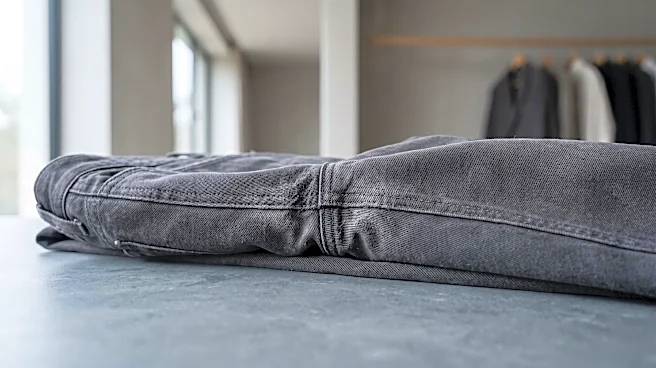
Walking, on the other hand, distributes wear and tear very differently. The most significant damage occurs in high-friction zones, primarily the inner thighs and crotch. With every step, your thighs can rub together, acting like slow-motion sandpaper on the fabric. This abrasion gradually wears down the fibers, leading to two common problems: pilling (where loose fibers tangle into small balls) and the dreaded 'crotch blowout'. A blowout is when the fabric, thinned by constant rubbing and stressed by the tension of movement, finally gives way and tears, often right along the seam. The knees are another major stress point from walking and bending. The fabric in this area is constantly being stretched and relaxed, which can lead to fading, thinning, and bagging as the fibers lose their ability to bounce back.
Fabric Is Destiny: How Materials Cope
Not all fabrics respond to these forces in the same way. Denim, a tough cotton twill, is built to withstand abrasion, but the constant friction of walking will eventually wear through the fibers, leading to the characteristic inner-thigh failure. Wool is naturally resilient and can stretch without breaking, but its scaled fibers are susceptible to the pressure and heat of sitting, which causes that noticeable shine. Synthetic materials like polyester are very durable but can also develop shine from abrasion, as the thermoplastic fibers can be subtly altered by friction and heat. Chinos and other cotton trousers are breathable and comfortable, but they can wear thin relatively quickly in high-stress areas from both sitting and walking. Trousers with a small amount of stretch can be more resilient to the tension of movement, but the fit has to be right; if they are too tight, the strain is constant.
The Proactive Pant Owner: Extending the Lifespan
Understanding these wear patterns gives you the power to fight back. The single best thing you can do is rotate your trousers. Giving a pair a day or two off allows the fibers time to rest and recover their shape. For office workers, standing up and moving around periodically isn't just good for your health; it gives your pants a break from the constant pressure of sitting. When washing, turn your pants inside out to minimize friction on the exterior, use cold water, and air dry whenever possible, as high heat from dryers can damage fibers. If you know you're hard on your trousers from walking, look for jeans with a reinforced crotch or gusset. And if you start to see the tell-tale shine on your favorite suit pants, don't iron them with direct heat; use a steamer or a pressing cloth to avoid flattening the fibers further.