







The Art of Gradual Design
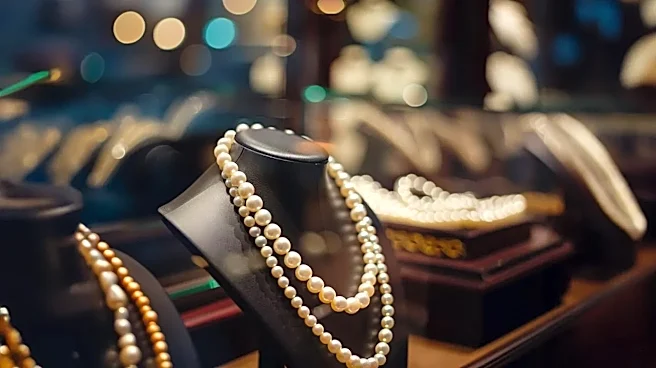
So, what exactly makes a necklace “graduated”? It’s a single-strand piece where the elements—be they pearls, diamonds, or beads—progressively increase in size from the clasp towards the center. The smallest gems rest at the back of the neck, while the largest
and most prominent one sits perfectly at the front. This isn't about one single focal point, but rather a seamless, symmetrical arc that creates a natural and elegant flow. The entire strand is meticulously arranged to draw the eye inward, creating a visual effect that is both balanced and inherently pleasing.
From Ancient Roots to Mid-Century Staple
While the concept of necklaces as status symbols dates back thousands of years, with gold being used in ancient Egypt around 2500 BC, the graduated style has its own unique history. It became particularly popular in the 1940s and 1950s, especially with pearls. In the early days of cultured pearl farming in Japan, creating a strand of uniformly sized pearls was nearly impossible due to limited quantities. The graduated strand was a clever and stylish solution, allowing jewelers to use a variety of beautiful pearls to create a complete, flowing necklace. Following World War II, many American servicemen brought these necklaces home, cementing their place in mid-century American style and turning them into treasured family heirlooms.
Why the Eye Loves a Gentle Curve
The enduring appeal of the graduated necklace lies in simple design principles. The symmetry and balance are naturally satisfying to the human eye. The design's progression mimics visual patterns found in nature, like the arrangement of flower petals or seashells, making it feel inherently harmonious. This structure does wonders for proportion; the smaller elements near the clasp make the neck appear longer and more slender, while the crescendo toward the center draws attention in a flattering way. It creates a focal point without being overpowering, guiding the viewer’s gaze gently toward the center of the décolletage. This visual logic is a key reason it remains flattering and fashionable across generations.
A Masterclass in Versatility
Few pieces of jewelry transition as effortlessly as the graduated necklace. Its secret is its ability to adapt to the occasion based on its material. A classic graduated pearl or diamond riviera necklace is a perfect companion for weddings, galas, and formal events. Meanwhile, contemporary versions made from gold beads, sterling silver, or colorful gemstones can elevate a smart casual outfit or add a festive touch without feeling out of place. The key to styling is to let the necklace be the centerpiece. It works best with necklines that give it space to shine, such as a V-neck, scoop, or strapless cut. Because the necklace has its own built-in visual progression, it rarely needs to be layered, making it a simple yet powerful statement piece.
Modern Interpretations of a Classic
While the single strand of pearls remains an iconic image, today's designers are constantly reimagining the graduated style. You can find graduated tennis necklaces with sparkling diamonds that increase in carat weight, offering breathtaking brilliance for a modern, luxurious look. Others play with mixed materials or even apply the graduated principle to layered necklaces, where each chain is a different length and features progressively larger elements. Some vintage-inspired designs incorporate intricate metalwork, while minimalist versions use sleek, polished beads for a contemporary feel. This adaptability ensures the graduated necklace doesn’t just survive; it evolves, continuing to find relevance in the modern jewelry box.