

The Old Guard and the New Code
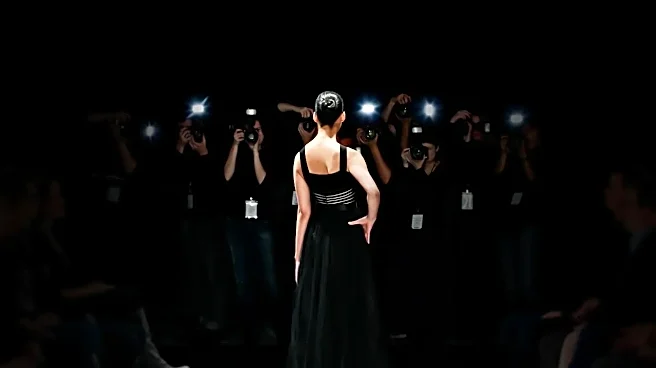
Traditionally, NYFW has been synonymous with a certain kind of armor. Think sharp tailoring, structured eveningwear, and an unspoken rule that effort is paramount. Designers like Ralph Lauren and Michael Kors built empires on an idealized, polished version
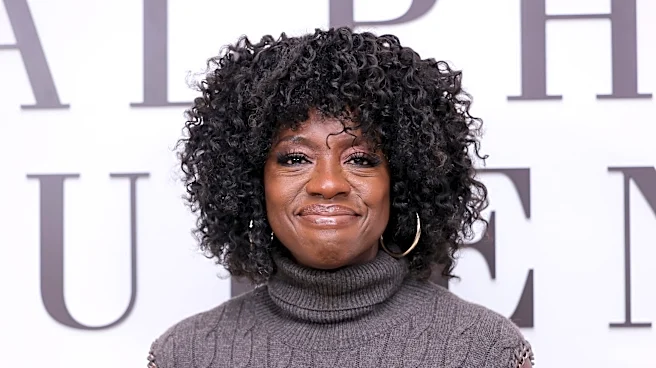
of American life, and their front rows were a testament to that vision. But this season, that polished veneer began to crack, revealing something more eclectic underneath. The collision wasn't just on the runways; it was in the very definition of what it means to “show up.” While established houses still presented powerful, tailored collections, the surrounding energy has changed. It’s a world where a celebrity might arrive at one show in a perfectly tailored cashmere-and-leather look and another in a slouchy T-shirt and pleated pants, as seen on attendees like Viola Davis and Katie Holmes.
Runway Remix: Blurring Prep and Streetwear
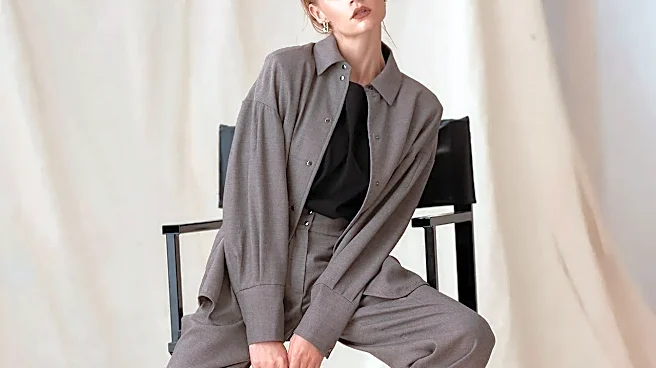
This year’s designers seemed determined to dismantle old binaries. Romeo Hunte’s “Ivy Noir” collection, for instance, explicitly blurred the lines between collegiate prep and streetwear, reworking classic codes into gender-fluid, layered combinations. We saw strong tailoring, but it was often relaxed and inspired by '90s silhouettes. Christian Cowan sent out looks that mixed vintage Hollywood glamour with a rebellious, contemporary attitude, using intentionally imperfect finishes like the “Mermaid Messy Knot” to disrupt classic femininity. Even sportswear, a perennial influence, was styled in more elevated ways. The message was less about a single aesthetic and more about a mood. It’s no longer about choosing between a gown or a track suit; it’s about wearing wide-leg track pants with heels or styling a sporty jacket over a skirt.
Street Style's Great Divide
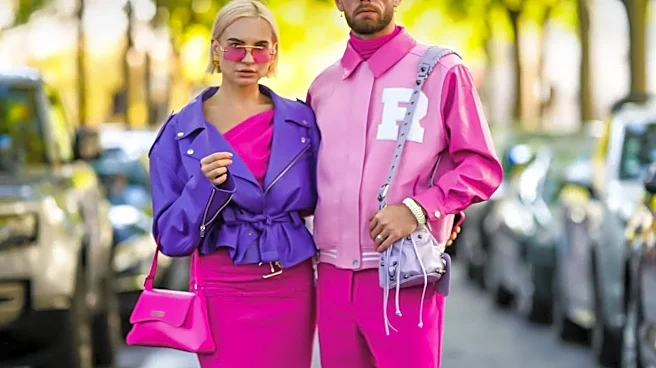
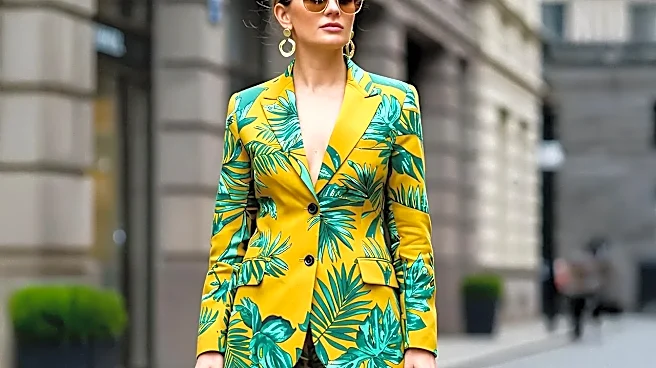
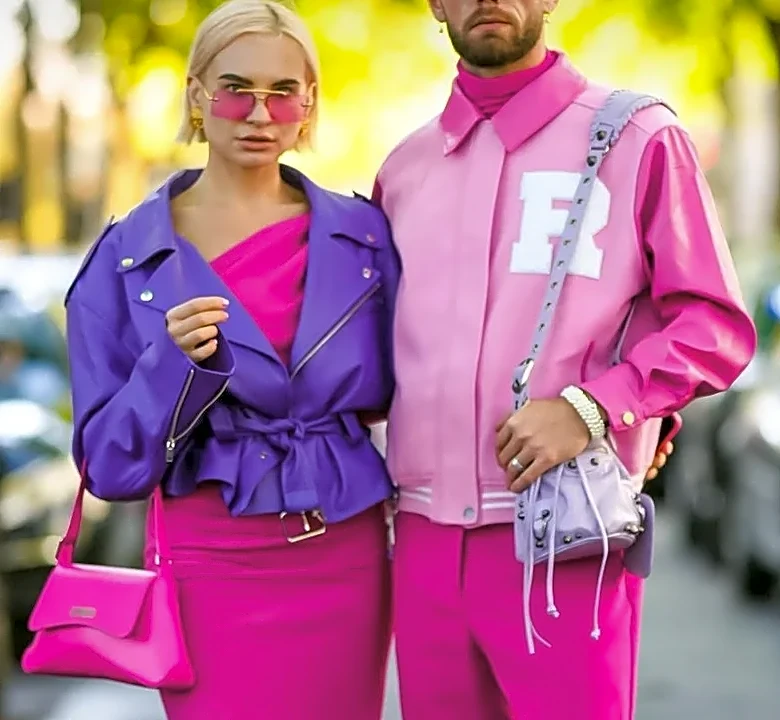
Nowhere is this generational clash more visible than on the streets outside the shows. Millennial editors and influencers often lean into enduring, minimalist style—think '90s-esque knee-length skirts and sharp tailoring. Their approach is about perfecting a known formula. In contrast, Gen Z's style is more about what one report calls the “Broken Order,” or completely twisting the normal rules of styling. They might wear a bikini top over a shirt or a dress over jeans. For them, fashion is less about adhering to a dress code and more about fluid self-expression that mixes personal references depending on mood or community. This results in a street-style landscape where you’ll see someone in 'Wuthering Heights'-inspired lace-trim shorts next to someone in voluminous, architectural balloon pants—a silhouette that dominated several Fall 2026 runways.
Why 'Dressing Up' Isn't What It Used to Be
So, what's behind this seismic shift? It's more than just a passing trend. Gen Z, now a growing part of the workforce and consumer base, has a different relationship with style. Having grown up online, their aesthetic is shaped by authenticity and individuality, not rigid, top-down rules. They are rejecting stiffness and embracing clothes that are comfortable and have personality. The era of ultra-fast micro-trends is also showing signs of fatigue, with younger consumers increasingly valuing pieces that last—emotionally and materially. This isn't about killing formality; it's about redefining it. The new formality is personal. It might mean adding a bold brooch to a simple tank top and jeans or pairing clashing colors to create impact without buying anything new. The emphasis has moved from dressing for the occasion to dressing for yourself, a change that reflects a broader cultural desire for comfort, sustainability, and individual expression.