








The Medium Defines the Mood
The most fundamental difference lies in the art forms themselves. The Academy Awards celebrate cinema—a medium typically consumed in a dark, communal theater over two to three hours. It's a singular, contained experience. Television, on the other hand,
is an intimate, long-term relationship. Viewers invite characters into their homes week after week, season after season. Shows like this year's top drama nominee "The Pitt" and comedy nominee "Hacks" build deep, ongoing connections with their audience. This serialized nature changes what is being rewarded. An Oscar often honors a breathtaking sprint, a perfect confluence of script, performance, and direction in one finite package. An Emmy, by contrast, frequently rewards a marathon—the sustained excellence required to develop a character over years or to maintain a complex narrative arc across dozens of episodes.
A Tale of Three Voting Bodies
Who decides the winners profoundly shapes the character of each show. The Oscars are decided by the roughly 10,000 members of the Academy of Motion Picture Arts and Sciences (AMPAS), a body of elite film industry professionals who must be sponsored to join. It’s an honor bestowed by one's most respected peers. The Golden Globes have a different history, long decided by the small and once-criticized Hollywood Foreign Press Association. After reforms, the voting body has expanded to around 300 international journalists, giving it a global-press perspective. The Television Academy (ATAS), which presents the Primetime Emmys, is a much larger and more industry-focused organization. With over 20,000 members across dozens of peer groups—from actors and directors to hairstylists and publicists—the Emmys feel more like a sprawling industry trade awards show. This results in a ceremony that celebrates the craft and camaraderie of a deeply interconnected business, which can sometimes lead to repeat wins for beloved shows and performers as a nod to consistent, high-level work.
Dynasties vs. Dark Horses
This difference in voting and medium leads to distinct patterns. The Emmys are known for creating dynasties. Once the Television Academy falls for a show, it tends to reward it year after year. Think of the repeat wins for shows in television history. It's not uncommon for an actor to win multiple times for the same role, a rarity at the Oscars where an actor winning back-to-back is historic. This year, with the final season of "Hacks" earning a record 24 nominations for a comedy and "The Pitt" grabbing 25, we see the continuation of this trend where established favorites dominate. The Oscars, by virtue of honoring a new slate of films each year, are inherently more varied. While front-runners emerge, the field is reset annually. The Golden Globes, with their smaller and more eclectic voting pool, have historically been known for more unpredictable, sometimes surprising, choices that often set the narrative for the Oscar race.
The Party, The Prom, and The Company Picnic
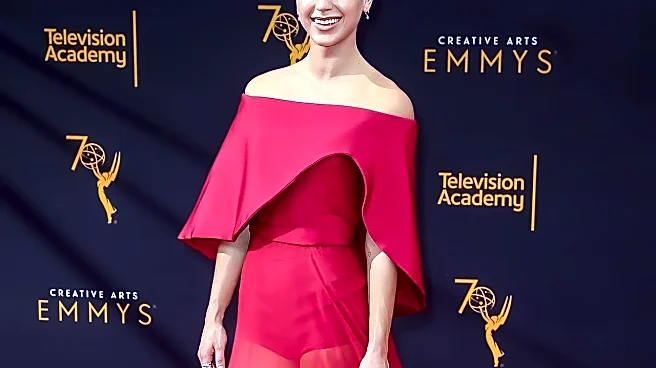
Finally, the ceremonies themselves have different energies. The Oscars are Hollywood's high prom—reverent, prestigious, and a little bit tense. The fashion is classic, the speeches are (usually) earnest, and the weight of history is palpable. The Golden Globes have traditionally been the industry's boozy, freewheeling party, though recent changes have aimed to add a layer of formality. The Emmys land somewhere in between, feeling like a massive, glamorous company picnic. Because so many attendees work together on various shows, there’s a sense of collegial reunion. The atmosphere is celebratory but perhaps less self-important than the Oscars. It's a night for television to honor its own, a sprawling and diverse community that has, in the era of streaming, arguably become the dominant force in popular culture.