
The Reign of the Bodysuit
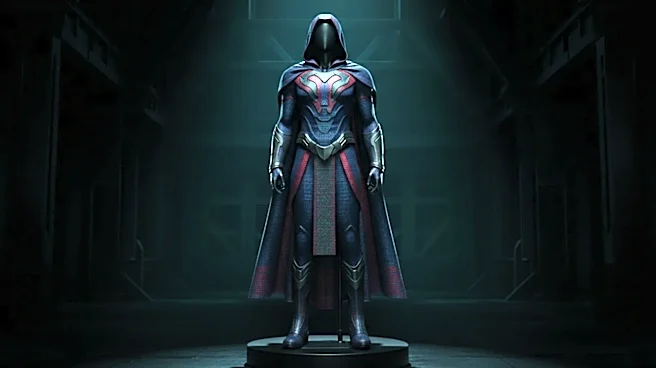
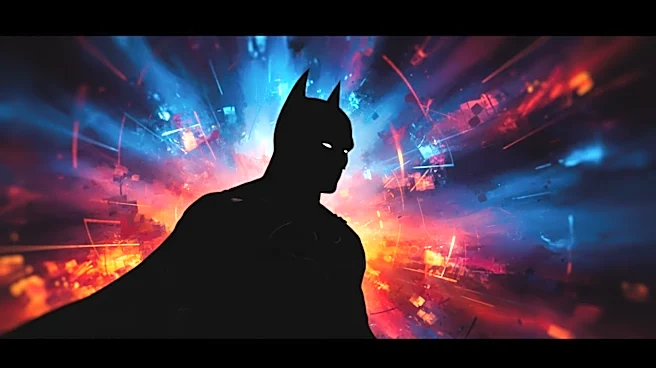
The bodysuit is superhero costume shorthand. From Black Widow’s tactical stealth suit to Captain Marvel’s cosmic uniform, the second-skin look has defined our heroes for decades. Its origins are practical, stemming from the circus strongmen and acrobats
who inspired the first comic book artists. In print, a simple, tight outfit was easier to draw repeatedly and allowed artists to showcase the idealized, powerful physique underneath. On screen, it serves a similar purpose, telegraphing peak physical condition and readiness for action. Modern film costumes have evolved from simple spandex to complex constructions of textured, armor-like materials, but the core silhouette remains. It’s a design that screams efficiency, athleticism, and a no-nonsense approach to saving the world. There’s nothing to snag, nothing to get in the way—just pure, streamlined power.
The Challenger: A Bias-Cut Gown
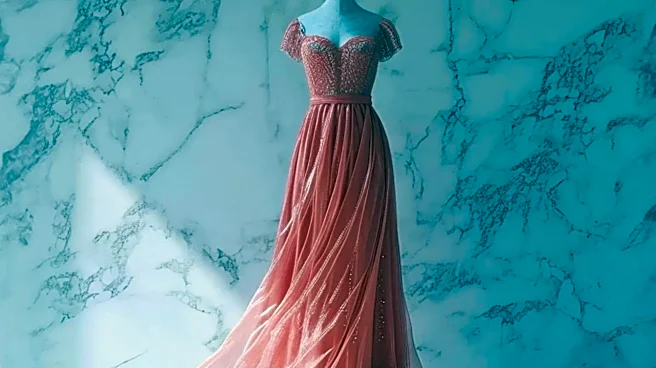
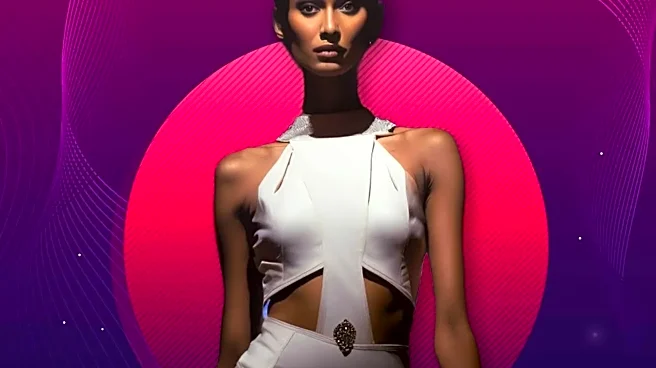
Now, imagine a different kind of power. Enter the bias-cut gown. Popularized in the 1920s and 30s by French couturier Madeleine Vionnet, the bias cut is a technique where fabric is cut on a 45-degree diagonal to its grain. This simple shift allows fabric—even non-stretchy silks and satins—to achieve a remarkable fluidity and natural elasticity. Instead of constricting the body, a bias-cut dress drapes and flows, skimming curves and moving with the wearer. Vionnet was inspired by ancient Greek statuary and the dancer Isadora Duncan, aiming to create clothing that followed the body's natural lines without force. Her designs, worn by silver screen sirens like Greta Garbo and Marlene Dietrich, became synonymous with a sultry, liquid elegance. It was a revolution in clothing, liberating the form while celebrating it.
Power in Fluidity and Form
A bodysuit communicates power through tension. Every muscle is defined, every line is taut. A bias-cut gown, by contrast, finds power in movement. Think of a sorceress conjuring ancient magic, a galactic empress addressing her court, or a psychic moving objects with her mind. Their power isn’t purely physical, and their costume can reflect that. The way a bias-cut gown ripples and flows around the body as a character walks, gestures, or unleashes an energy blast creates its own visual spectacle. It suggests an ethereal, untouchable grace. Where a bodysuit prepares for a fistfight, a flowing gown hints at a power so immense that a fistfight is unnecessary. It’s the difference between showing strength and embodying power. As Vionnet herself said, “When a woman smiles, then her dress should smile too.” The garment becomes an extension of the character’s emotion and energy.
Expanding the Definition of 'Hero'
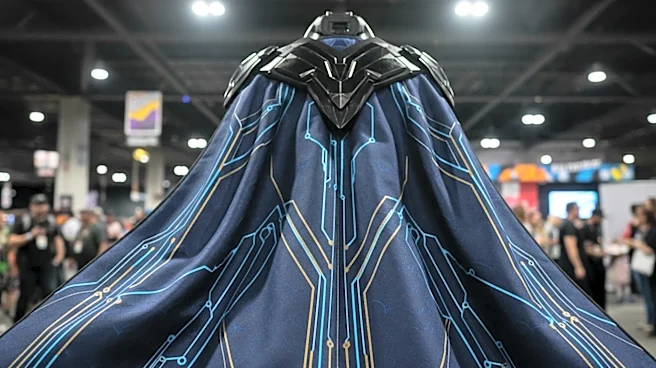
This isn't about replacing the bodysuit entirely. For brawlers and acrobats, it remains the logical choice. But the world of superheroes is vast. It includes queens, diplomats, goddesses, and mystics whose roles extend beyond the battlefield. Characters like Wonder Woman and Supergirl have often incorporated skirts or cape-like elements into their costumes, hinting at this blend of warrior strength and regal heritage. Embracing a silhouette like the bias-cut gown would allow costume designers to explore new visual territory. It opens up possibilities for characters who command respect through presence and intellect as much as through force. It allows for a more complex and mature expression of femininity and power, one that doesn’t rely solely on showcasing an athletic build. It proves that a hero can look just as formidable in liquid silk as she does in tactical leather, offering a new generation a broader, more imaginative vision of what strength can look like.