





Conquering the Dreaded Flashback
You’ve seen it before: a stunning photo ruined by ghostly white patches under the eyes or across the T-zone. This is “flashback,” and it’s a photographer’s nightmare. Backstage at Swim Week, where cameras are a constant, avoiding it is a top priority.
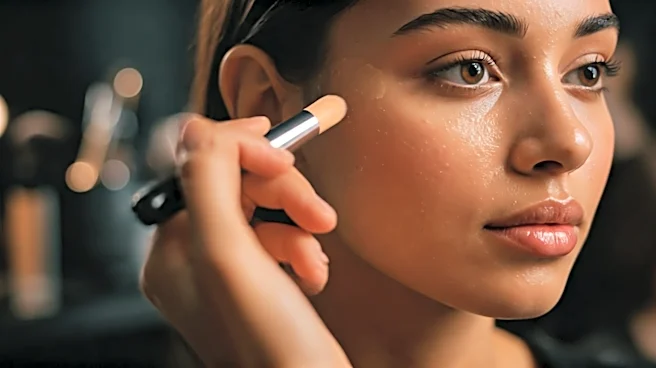
The primary culprits are ingredients in powders and foundations that reflect light too aggressively, most notably certain types of silica and SPF. Professional makeup artists (MUAs) are meticulous about their product choices. They opt for finely milled translucent setting powders that are specifically marketed as having no flashback. Instead of baking—packing on heavy layers of powder—they use a light touch. The pro technique involves pressing a small amount of powder into the skin with a powder puff or a dense brush, focusing only on areas that need setting, like the under-eyes and around the nose. This provides a smooth, matte finish that absorbs oil without creating a reflective, chalky layer that will bounce back a camera’s flash.
The Art of the Makeup Lockdown
In Miami’s climate, makeup doesn’t just get dewy; it can slide right off the face. Preventing “slip” is all about strategic layering and choosing formulas built for endurance. The process begins before any color is applied. Artists start with a high-quality gripping primer. These primers create a slightly tacky surface that gives foundation something to adhere to. Think of it as double-sided tape for your face. Next comes the foundation itself. Pros favor long-wear, waterproof, or water-resistant formulas, but the key is applying them in sheer, buildable layers rather than one thick coat. They often use a damp beauty sponge or a stippling brush to press the product into the skin, which enhances its longevity. Cream blushes, bronzers, and highlighters are often layered underneath their powder counterparts to create a durable, dimensional look. The final, crucial step is the setting spray. A good one acts like a flexible, invisible shield, locking everything in place for hours without feeling stiff or heavy.
Managing Shine Without Losing the Glow
There’s a fine line between a healthy, radiant glow and a full-blown greasy shine, and Swim Week pros are masters at walking it. The battle against unwanted oil starts with skin prep. Artists often use lightweight, oil-free moisturizers and mattifying lotions on models, especially in the T-zone, to control sebum production from the get-go. Throughout the day, as heat and activity ramp up, shine is inevitable. The first line of defense isn't more powder—it's blotting papers. Piling powder on top of oil can lead to a cakey, heavy look. Instead, artists gently press a blotting sheet against shiny areas to lift away excess oil without disturbing the makeup underneath. Only then will they touch up with a minimal amount of powder. This “blot, then powder” method keeps the skin looking fresh and skin-like, not masked. The goal is a controlled radiance on the high points of the face (cheekbones, brow bones) while keeping the forehead, nose, and chin looking velvety and smooth.