
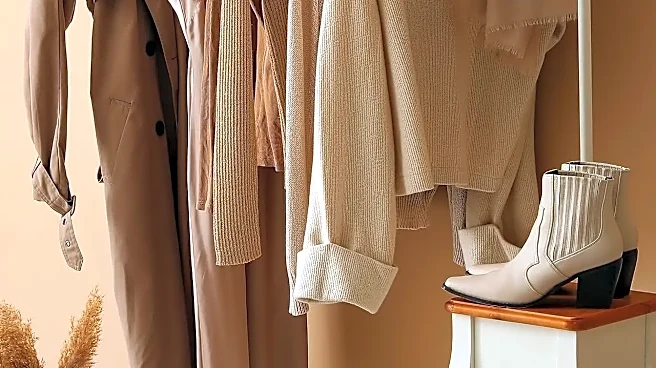
The Secret Language of Texture
First, let's dispel a myth: a monochromatic outfit doesn't automatically look polished. If you wear pieces made of the exact same material, you can look like a shapeless blotch. This is because the eye has nothing to catch onto; there are no visual breaks.
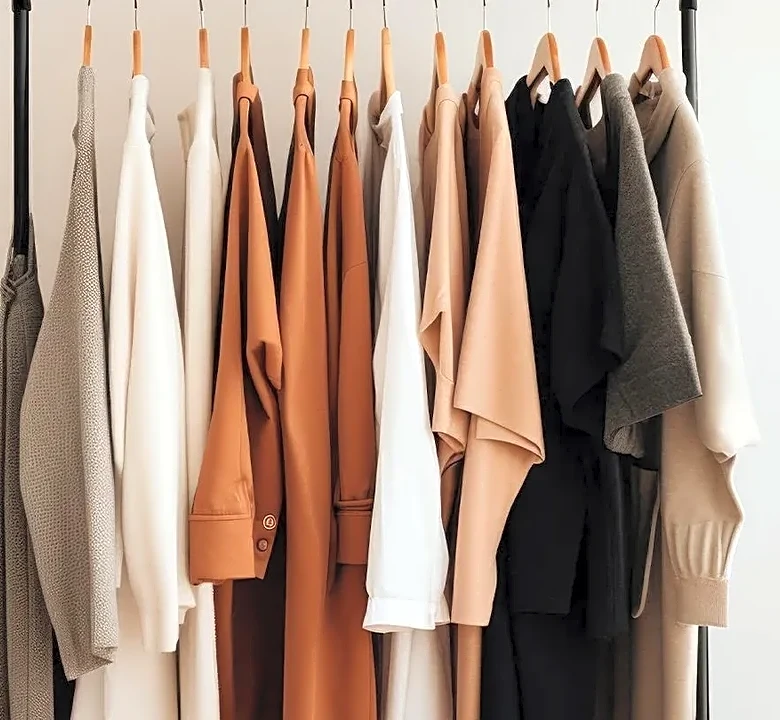
Texture is the tool that creates those breaks. It refers to the surface quality of a fabric—how it looks and feels. Think of the difference between a fuzzy wool sweater and a sleek silk camisole. Even in the same color, they interact with light in completely different ways, creating natural highlights and shadows that give an outfit life and dimension.
Creating Depth Without Adding Color
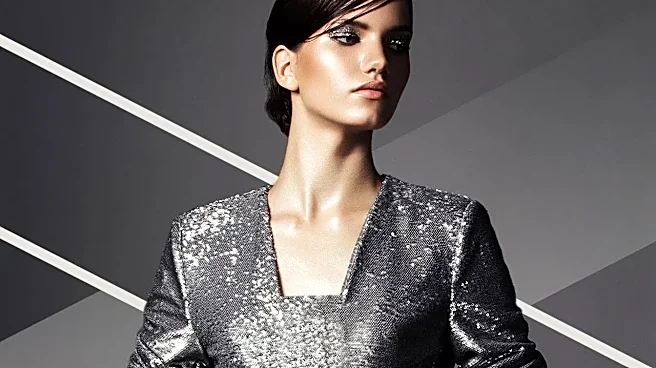
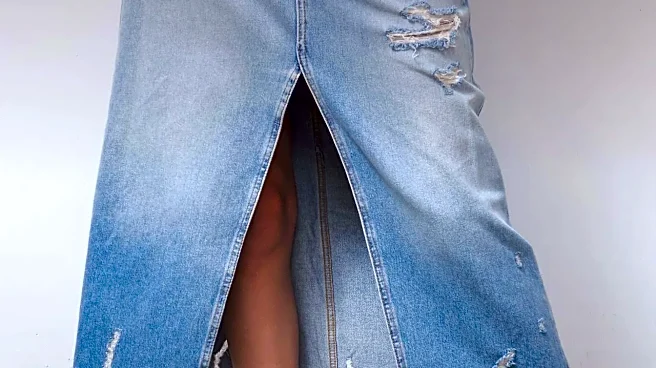
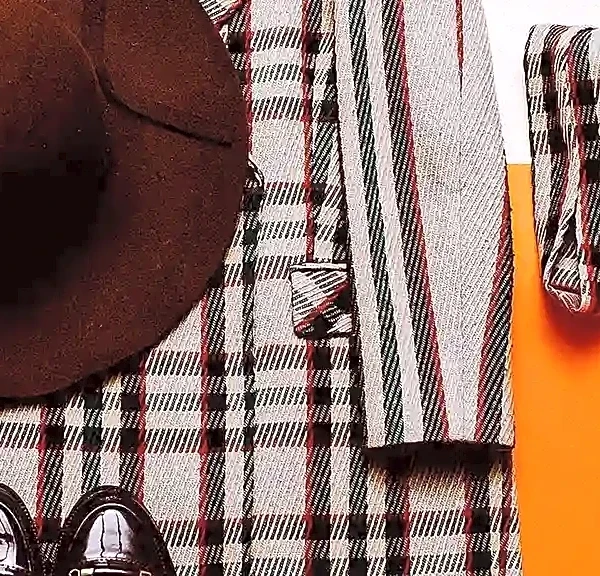
Think of texture as a form of nonverbal storytelling. A rugged denim suggests a casual, timeless feel, while smooth leather can read as edgy and luxurious. When you combine these different surfaces in a single-color look, you create a rich, layered narrative. The interplay between a matte fabric that absorbs light, like cotton or cashmere, and a shiny one that reflects it, like satin or leather, produces a subtle but powerful contrast. This contrast is what prevents the outfit from feeling monotonous and instead makes it look intentional and visually engaging.
Key Pairings to Master
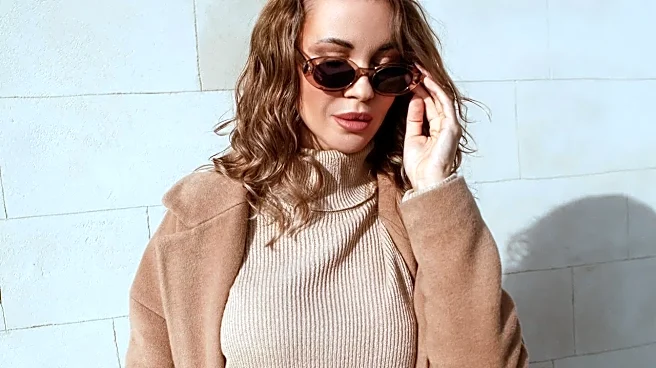
The key to a dynamic monochrome outfit is layering different textures. A great way to start is by pairing opposites. Try combining something soft and chunky with something smooth and fluid. A classic example is a cozy, oversized knit sweater paired with a silk slip skirt in the same color family. The contrast between the plush wool and the lustrous silk is instantly captivating. Another powerful combination is matte and gloss; think of a simple cotton t-shirt worn with a pair of leather pants. Or, mix structured and soft materials, like a tailored denim jacket over a soft cashmere dress. Each fabric brings its own personality, creating a look that is cohesive yet full of character.
A Starter Recipe for an All-Black Look
Black is often the easiest entry point for monochromatic dressing. To build a successful all-black outfit, focus on creating a journey of texture. Start with a foundational piece like tailored black trousers in a matte wool or cotton. Add a top in a contrasting fabric, such as a fine-gauge knit or a sleek satin camisole. The most impactful layer is often a leather jacket, which provides the highest level of textural contrast with its distinct sheen. Finally, close the look with accessories that continue the story—perhaps suede boots or a patent leather bag. The result is an outfit that moves from hard to soft to structured, creating genuine dimension within a single color.
Don't Forget About Accessories
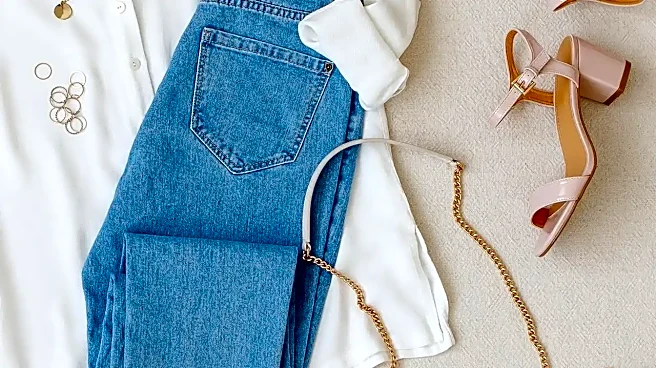
Texture isn't limited to just your main clothing items. Accessories are a fantastic way to introduce another layer of tactile interest and complete your look. A woven or croc-embossed leather belt can define your waist and break up a solid column of color. A suede handbag, a silk scarf, or a pair of patent leather shoes can add that final touch of polish. Even your jewelry plays a role; a hammered metal cuff or a string of pearls introduces a different kind of surface that can contrast beautifully against a simple knit or cotton fabric, enhancing the outfit's overall appeal.