


An Asset Class Called 'Edge'
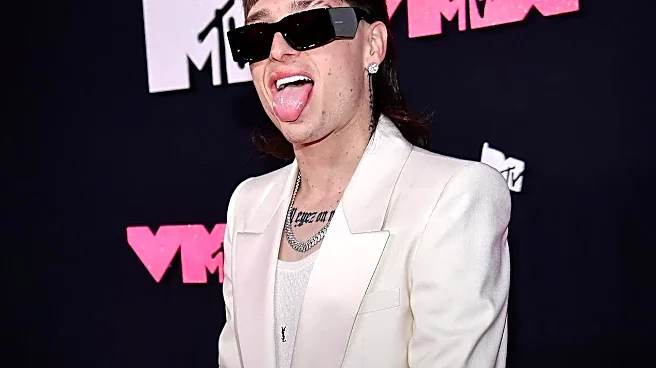
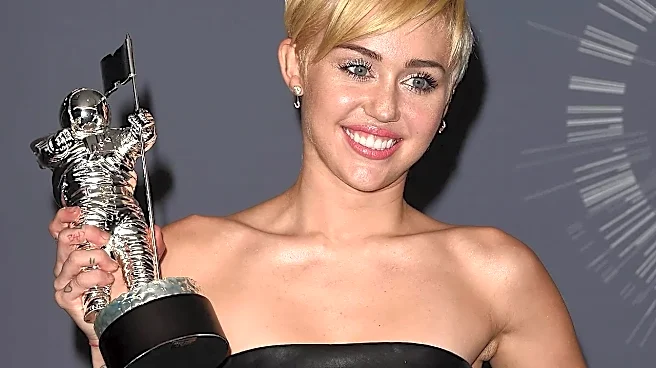
Unlike the refined glamour of the Oscars, the VMAs have a different currency: edge. For decades, the event has been a stage for rebellious, controversial, and culture-defining fashion moments. This creates a unique marketplace where emerging artists can
build their brand, and established stars can reinvent themselves. A daring look here isn't just a dress; it's a strategic investment in relevance. For brands, getting a piece on this carpet means associating with youth, risk, and the cultural conversation. It’s a chance to go viral in a way a traditional ad campaign never could. That visibility is a commodity artists and brands are willing to pay a premium for, whether in dollars or cultural capital.
The Market Makers: Stylists as Power Brokers
In this marketplace, the celebrity stylists are the power brokers. They aren't just picking outfits; they are orchestrating complex deals. A top stylist navigates a world of brand ambassadorships, exclusive partnerships, and paid placements that can be incredibly lucrative for both the star and themselves. According to industry insiders, a brand might pay an A-list actress anywhere from $100,000 to $250,000 to wear a single gown to a major event. The stylist, in turn, can receive a fee of $30,000 to $50,000 for facilitating the deal. These arrangements, often called "ambassadorships," are rarely confirmed with a formal contract; the deal is only done when the celebrity walks the carpet. This makes the stylist's role a high-pressure mix of taste-making and high-stakes negotiation.
The 'Free' Dress That Costs a Fortune
While many dresses are technically "loaned," the ecosystem around a single red carpet look involves a significant financial outlay. Some custom gowns can cost a design house over $100,000 to produce. Beyond the clothes, the celebrity's team—hair stylists, makeup artists, and even manicurists—can command thousands of dollars for their services. It’s a full-scale production where every detail is a calculated part of the overall brand presentation. Even for younger designers who can't afford to pay a celebrity, having their design worn can be a career-making moment, offering invaluable publicity and brand validation that money can't always buy.
Calculating the Risk and Reward
The VMA marketplace is not without risk. While other awards shows may favor quiet elegance, the VMAs reward boldness, which can easily backfire. A look that’s meant to be edgy can be misinterpreted as a misstep, leading to online ridicule and potentially damaging an artist's carefully crafted image. Conversely, a successful VMA look becomes iconic, part of the cultural lexicon for years to come—think Lil' Kim's 1999 purple pasty or Lady Gaga's meat dress. These moments are more than just outfits; they are career-defining statements that pay dividends in media attention, fan engagement, and future opportunities long after the show ends.