




The Incredible Rise of the Ensemble
The days of a single, magnetic star carrying a series are fading. Welcome to the era of the ensemble, where shows are built like intricate ecosystems of talent. This year, no show demonstrates this better than the medical drama "The Pitt," which landed
a staggering 25 nominations. A huge chunk of these nods went to its supporting cast, with the Outstanding Supporting Actress in a Drama Series category becoming a virtual showcase for the show. Four of the seven nominees—Katherine LaNasa, Taylor Dearden, Fiona Dourif, and Sepideh Moafi—all hail from the same fictional hospital. This isn't just ballot-stuffing; it's a reflection of modern storytelling. Shows like "The Pitt," its sci-fi counterpart "Pluribus," and the breakout horror-comedy "Widow's Bay" derive their power from a deep bench of compelling characters who are all essential to the narrative. The term "supporting" feels almost obsolete when these roles are the very heart of the show.
Where the Real Competition Is
If you're looking for a genuine, down-to-the-wire race, turn your attention to the supporting fields. While some lead categories have clear frontrunners, the supporting lineups are pure chaos in the best way possible. Take Outstanding Supporting Actor in a Comedy Series. The category features Harrison Ford for "Shrinking," who many felt was overdue for a win last year, going up against Stephen Root for the buzzy new series "Widow's Bay" and Paul W. Downs for the final, celebrated season of "Hacks." Each represents a different corner of comedic genius, from legendary deadpan to quirky character work. The sheer volume of submissions for these categories means they often feature more nominees, reflecting a wider swath of the year's best television. It’s a battlefield where beloved veterans, breakout stars, and critical darlings all have a legitimate shot at the trophy, making for far more exciting television on Emmy night.
Blurring the Lines in Limited Series
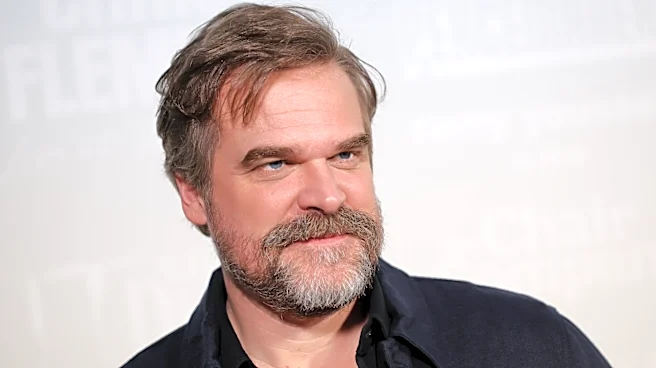
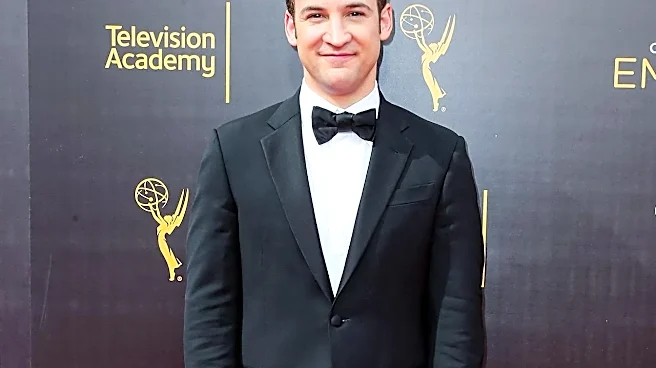
Limited series have become the playground for A-list actors, and that's most apparent in the supporting ranks. While the lead roles attract stars, the supporting fields are where these projects build their unimpeachable prestige. This year, the limited series "DTF St. Louis" managed to pack its supporting nominations with heavyweights like David Harbour and Jason Bateman. These aren't minor parts; they are complex, memorable roles that often carry entire episodes. The Television Academy's controversial decision to move the supporting limited series awards to the un-televised Creative Arts ceremony this year doesn't diminish their importance; in fact, it highlights just how packed they've become. For many of these series, the supporting cast is the main draw, proving that in prestige TV, every single role is an opportunity for excellence.
A Barometer for TV's Health
Ultimately, the strength of the supporting categories is the best indicator of the industry's overall creative vitality. When a show like "The Pitt" can generate four nominations in a single acting category, it tells you that its world is rich and its casting is impeccable. When a new series like "Widow's Bay" can land 19 nominations right out of the gate, with many in supporting fields, it signals a shift in how hit shows are made. These categories are where you find the scene-stealers, the emotional anchors, and the characters who launch a thousand memes. They are a celebration of the idea that great television is a team sport. While the lead actors may get the final bow, the Emmys this year will be defined by the incredible depth of talent propping them up.