

The Battle for Sonic Dominance
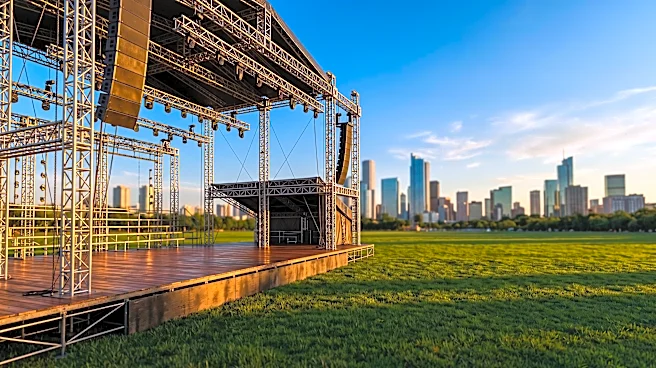
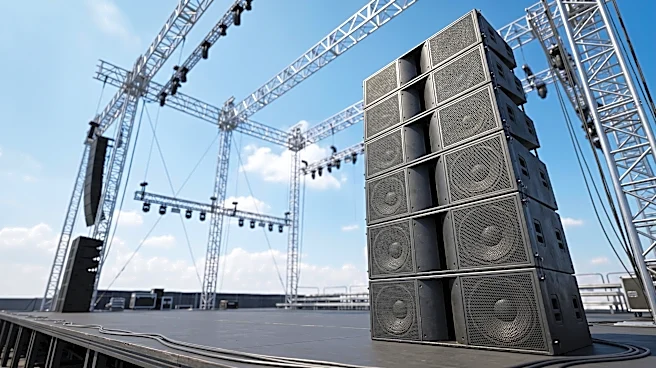
Zilker Park is a sprawling, open-air venue with nine stages, and with that scale comes an unavoidable problem: sound bleed. While a rock band’s wall of guitars can often power through the low-end rumble from a distant stage, electronic music is more vulnerable.
Much of its power comes from the precise, chest-rattling punch of sub-bass and the clean separation of synthesized frequencies. In an open field, where sound waves travel and compete, a DJ’s meticulously crafted set can lose its impact. The low frequencies that are designed to be felt as much as heard can become muddy or conflict with the kick drum from another performance a quarter-mile away. Sound engineers work to mitigate this, but the physics of an outdoor festival are relentless, forcing electronic artists to fight for sonic territory in a way a live band, with its more concentrated midrange frequencies, often doesn't have to.
From the Darkness of the Club to the Daylight
Electronic music culture was born in dark, enclosed spaces where producers could control every aspect of the environment. Nightclubs and dedicated dance tents like Coachella’s Sahara or Yuma tent are designed for immersion. The darkness allows light shows and visuals to completely transform the space, while the acoustics are tailored for deep bass and nuanced electronic textures. An afternoon slot on an open-air stage at Zilker Park is the exact opposite. Performing under the bright Texas sun strips away the immersive visual element that is often integral to an electronic set. The communal, hypnotic vibe cultivated in a dark club is much harder to achieve when the crowd is contending with heat, sun glare, and the sheer scale of an open field. It forces artists to rethink their approach, relying more on song selection and raw energy to capture an audience that isn’t shrouded in darkness.
Winning Over the Guitar-Centric Crowd
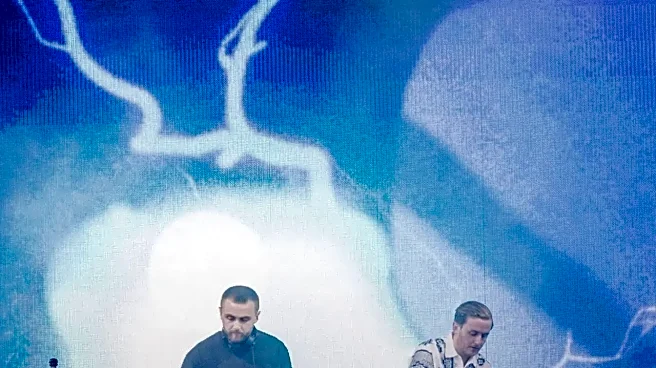
ACL Fest began with roots in country, rock, and folk music, inspired by the legendary PBS show of the same name. While the festival has dramatically diversified its lineup over the past two decades to include hip-hop, pop, and a growing roster of electronic acts, a significant portion of the audience still comes for the live band experience. The visual dynamism of a five-piece band—with a singer engaging the crowd, a drummer pounding away, and a guitarist delivering a blistering solo—offers a powerful focal point. For a solo DJ or producer, standing behind a console of gear presents a different kind of stage presence. They must command a massive field without the built-in visual action of a traditional band, a task that requires an almost magnetic ability to read and guide the crowd's energy through seamless mixing and expert track selection.
The High Cost of Standing Out
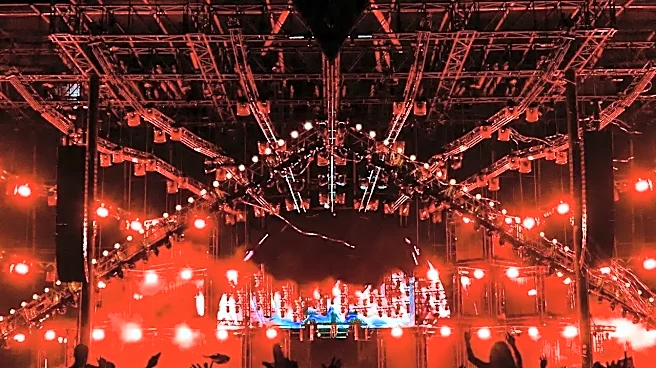
To compensate for the lack of on-stage motion, many top-tier electronic acts now tour with massive, custom-built visual productions. Elaborate LED screens, synchronized pyrotechnics, and complex lighting rigs are practically a requirement for headlining electronic artists to create a memorable show that fills a main stage. This creates an immense logistical and financial burden. While a band’s core expense is its members and their instruments, a DJ's show often includes a small army of visual artists, lighting designers, and technicians, plus the cost of transporting and assembling a high-tech stage setup. These production costs can be staggering, putting pressure on electronic artists to deliver a cinematic spectacle that goes far beyond just the music. It’s a level of production that isn’t always expected from their rock counterparts, adding another layer to the challenge of performing at a multi-genre festival like ACL.