






1. Know the Tournament Shape
First things first: these tournaments aren't just a random collection of games. They have a distinct and dramatic shape. Most major cups (like the World Cup or Euros) start with a 'group stage.' Here, teams are split into small groups and play a round-robin.
The goal is simply to survive and advance. This phase is a buffet of soccer, with multiple games a day, often at the same time. Then comes the 'knockout stage.' This is where the real tension begins. Every game is do-or-die. Win and you move on; lose and you go home. Understanding this two-act structure helps you appreciate the stakes. The group stage is for discovery; the knockout stage is for pure, heart-pounding drama.
2. Choose Your Broadcast Vibe
In the U.S., you almost always have two primary options for big tournaments: an English-language broadcast (like on Fox or ESPN) and a Spanish-language broadcast (like on Telemundo or Univision). They offer completely different experiences. The English broadcast is often more analytical, breaking down tactics and formations. It’s great for learning the Xs and Os. The Spanish broadcast is pure passion. It’s about the feeling, the emotion, and the legendary, lung-busting 'GOOOOOOOL!' calls. There is no right or wrong answer here. Try both! Your plan should include deciding if you’re in the mood for a tactical lecture or an emotional rollercoaster.
3. Embrace the Overlap
During the final round of the group stage, you'll notice something maddening: two games from the same group are played at the exact same time. This isn't a bug; it's a feature designed to prevent teams from colluding. For a new fan, it creates a dilemma. Do you flip between channels? Do you use a second screen like a tablet or phone? The best plan is to pick one game—the one with the most at stake—and stick with it. Follow live-updates for the other match on your phone. Trying to watch both is a recipe for missing the key moments in each. Accept that you can't see everything live, and enjoy the focused drama of the one game you choose.
4. Pick a Team (or Two)
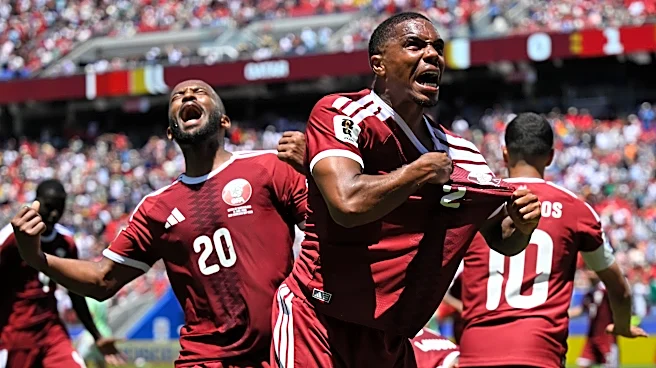
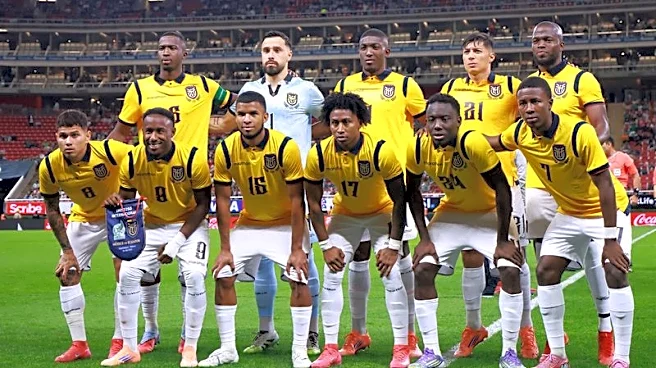
Soccer is infinitely more fun when you have a rooting interest. Don't feel pressured to pick a single team for life. For your first tournament, just pick a team for the next few weeks. You can go with a favorite like Brazil or France. You can choose an underdog story. Maybe you have a family connection to a country, or you just really like their uniform. You can even pick one powerhouse and one plucky underdog to follow. Having a 'protagonist' makes every goal, save, and questionable referee decision feel personal. It transforms you from a neutral observer into an invested fan, which is the whole point.
5. Learn Key Rules, Ignore the Rest
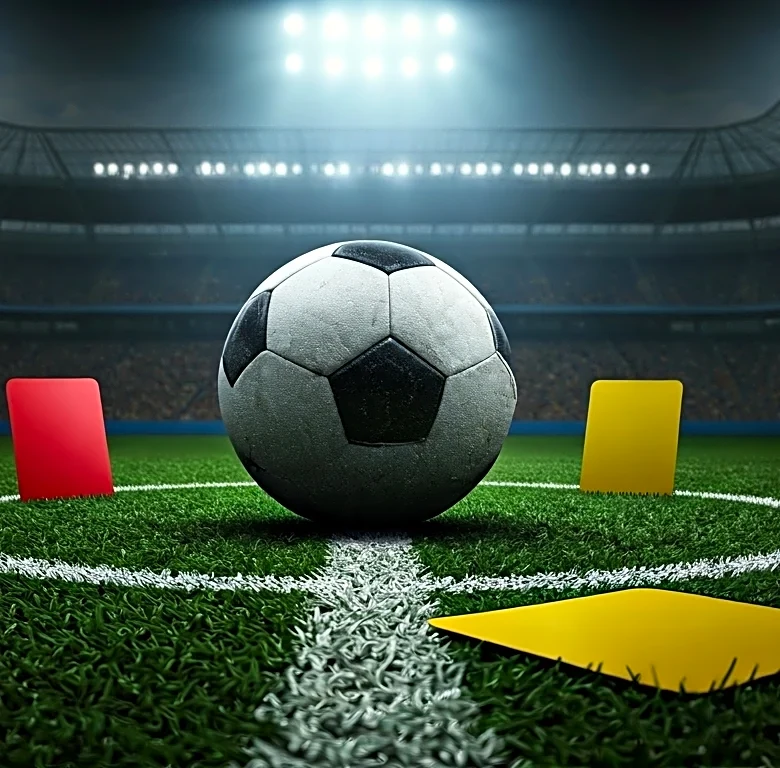
Don't get bogged down trying to become an expert on the offside rule overnight. Honestly, even lifelong fans argue about it. For now, you only need to know the basics. Understand what 'extra time' means (two 15-minute periods played if a knockout game is tied) and what a 'penalty shootout' is (the nail-biting tiebreaker that follows extra time). These are the concepts that define the tournament's most dramatic moments. Knowing the difference will help you understand the flow of the high-stakes knockout games. You can learn the nuance of a handball decision later. For now, focus on the big picture: win, lose, or go to penalties.
6. Decide Where to Watch
Finally, your viewing plan is also a social plan. Do you want to watch alone, soaking in every detail on your couch? This is perfect for appreciating tactics and player performances without distraction. Or do you want to feel the communal energy? Find a local pub that's showing the games. There's nothing like sharing the agony of a missed chance or the ecstasy of a last-minute winner with a room full of strangers who, for 90 minutes, are your new best friends. Your plan can be a mix of both—quiet morning games at home, and big knockout matches at the bar. The key is to be intentional about creating the experience you want.