


It’s World-Building, Not Just Decoration
First things first: production design isn’t just about making a set look pretty. It’s the creation of a film's entire visual universe. The production designer is the architect of the world the story inhabits, collaborating with the director to translate
the script's ideas into a tangible, visual reality. When a critic praises a film's design, they're often complimenting its cohesive and immersive world. Does the environment feel authentic to the characters who live there? Whether it’s the oppressive, brutalist architecture in a sci-fi dystopia like "Dune" or the lived-in clutter of a family home, every choice is meant to support the narrative. Critics look for intentionality. They ask if the visual world feels consistent and serves the story, or if it's just a collection of cool-looking but disconnected backdrops. A white wall is a missed opportunity; a carefully chosen, slightly peeling floral wallpaper tells a story of faded grandeur or neglected care.
Color Palettes and Emotional Cues
Color is one of production design's most powerful psychological tools. Critics are keenly aware of how a film's color palette shapes the audience's emotional experience. A film might use a desaturated, blue-toned palette to evoke a sense of melancholy or coldness, then introduce a vibrant pop of red to signal danger, passion, or a critical plot point. Think of the way Wes Anderson’s films use meticulously curated, often pastel-heavy color schemes to create their signature whimsical and nostalgic tones. Or how the film "Hero" used distinct colors for different narrative sections. A critic will notice when a character’s wardrobe starts to blend with or clash against their environment, signaling a change in their internal state or their relationship to the world around them. This isn't accidental; it’s a deliberate layer of visual storytelling.
The Story Told by Props and Spaces
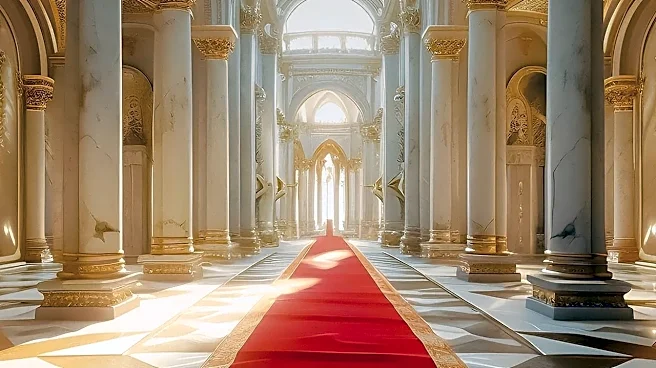
Objects are never just objects. In the hands of a skilled production designer, a prop is a piece of the story. Critics look for the details that reveal character without a single word of dialogue. Is a character’s desk meticulously organized or a chaotic mess? Do they drink from a chipped mug or a fine porcelain cup? These choices communicate backstory, class, and personality. The same goes for the use of space. In "Nightmare Alley," the narrow, wood-paneled office of Cate Blanchett's character was designed to feel both elegant and suffocating, mirroring her personality. Critics notice how environments can reflect a character’s psychology; a grand, empty hall can signify loneliness, while a cramped apartment can create a feeling of claustrophobia and tension. These spatial dynamics are crucial for building atmosphere and underlining the film’s central themes.
Authenticity and Subliminal Details
Whether a film is a period piece or a fantasy epic, authenticity is key. This doesn't always mean historical accuracy down to the last button, but rather, internal authenticity. The world must feel true to itself. For period films, critics look for a design that evokes the era without feeling like a dusty museum. The production design should feel lived-in and functional for the story being told. Beyond the obvious, critics appreciate the subtle, almost subliminal details. For Joel Coen’s “The Tragedy of Macbeth,” the production designer used architectural optical illusions to create a disorienting, dreamlike world where day and night were indistinguishable, reflecting the play’s moral ambiguity. Similarly, the designer for "Nightmare Alley" embedded Freudian, Rorschach-like patterns into the woodwork of an office to hint at the character's manipulative nature. These are the details that elevate a film from simply being well-made to being a work of art.