





Philosophy Over Polish
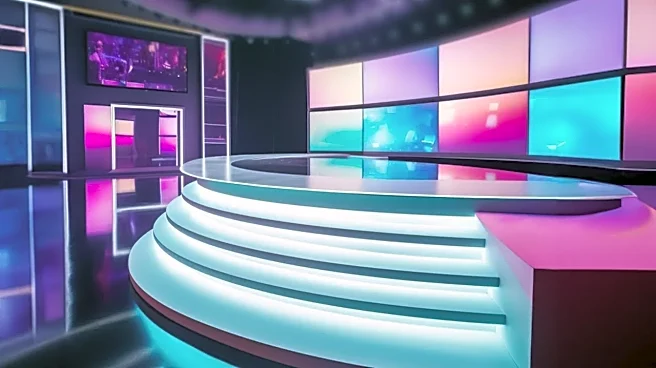
The first distinction isn't a technical one, but a philosophical one. An expensive-looking show uses its budget to create a clean, polished, and often glamorous image. Think of a high-end network procedural or a glossy reality show where every set is perfectly
lit and every face is flawless. The goal is to look aspirational and impressive. Prestige television, on the other hand, uses its cinematography to serve the story and theme, even if the result is less conventionally beautiful. The aim is to create a specific mood or point of view, prioritizing emotional truth over visual perfection. It's the difference between showing you a billionaire's lavish penthouse and making you feel the cold, empty isolation of that penthouse.
The Language of Light
One of the most powerful tools in a cinematographer's kit is lighting. Expensive-looking TV often favors high-key, even lighting. It’s bright, clear, and ensures you can see every detail of the costly sets and costumes. Prestige shows often take the opposite approach, embracing natural or motivated lighting. This means light appears to come from realistic sources within the scene: a single desk lamp, the harsh glare of a fluorescent office ceiling, or the gloomy light from a window. Think of the oppressive, shadow-filled boardrooms in Succession or the sun-bleached bleakness of True Detective. This naturalism creates texture and mood, making the world feel more tangible and often more menacing.
A Camera with a Point of View
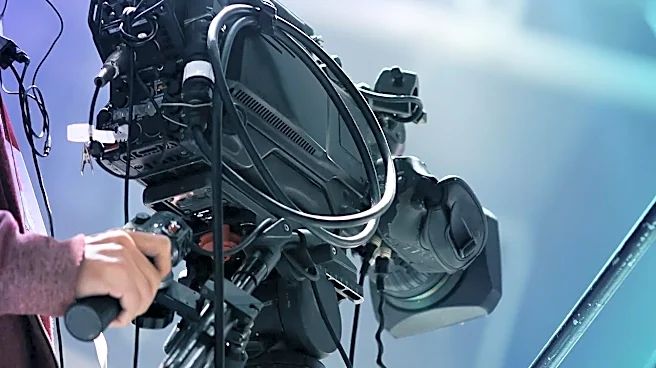
How the camera moves—or doesn't—is a huge signifier. Mainstream television often relies on stable, traditional coverage: a wide master shot, followed by clean over-the-shoulder shots and close-ups. It’s efficient and clear. Prestige drama often treats the camera as a character or a specific observer. The restless, handheld, documentary-style camerawork in Succession, for example, makes the audience feel like a voyeuristic fly on the wall, catching private moments and awkward reactions. The camera seems to be searching for information, zooming in awkwardly and panning to catch a fleeting glance, creating a sense of instability and realism that a locked-down tripod shot could never achieve. This method isn't about just capturing the dialogue; it's about capturing the subtext.
A World of Deliberate Color
Before a single frame is shot, prestige productions often develop a specific color palette that reinforces the show's themes. This goes far beyond simple color correction, which just balances the image. It’s about color grading to create a signature look. Consider the sickly, washed-out greens and yellows of Breaking Bad, which mirrored Walter White's moral decay, or the deep, desaturated blues of Ozark that drenched the frame in dread. In contrast, a show that's just expensive might have bright, saturated colors that pop on screen but don't carry any deeper meaning. The prestige approach uses color as a subliminal storytelling tool, setting the emotional tone before a single word is spoken.
Embracing a 'Dirty' Frame
In a world of crystal-clear 4K digital cameras, many prestige cinematographers deliberately introduce imperfections. They might shoot on 35mm film to get a natural grain and texture, as was famously done on Succession. They might use vintage lenses that produce softer images or create pronounced lens flares. While an expensive-looking show strives for a pristine, digitally perfect image, a prestige show might embrace these “flaws” to feel more organic, cinematic, and less sterile. It’s a conscious rejection of the hyper-clean look, suggesting a world that is messier and more real. These choices signal an allegiance to the craft of filmmaking, not just the technical capabilities of a high-end camera.