




The Autumnal Color Palette
One of the most immediate and evocative tricks is color grading. Modern shows, especially those premiering in the fall, often lean into a warm, rich color palette. Cinematographers and colorists work together in post-production to push the tones toward
golds, deep oranges, and rich browns, while often adding a touch of cool blue or teal into the shadows for contrast. This isn't just about making things look pretty; it's a shortcut to creating a specific mood. The technique mimics the natural colors of the season, creating a feeling of warmth, nostalgia, or even melancholy before a single line of dialogue is spoken. By digitally shifting the hues of greens toward yellow and boosting the reds, a scene shot in mid-July can be made to feel like a crisp October day.
That Blurry, Dreamy Background
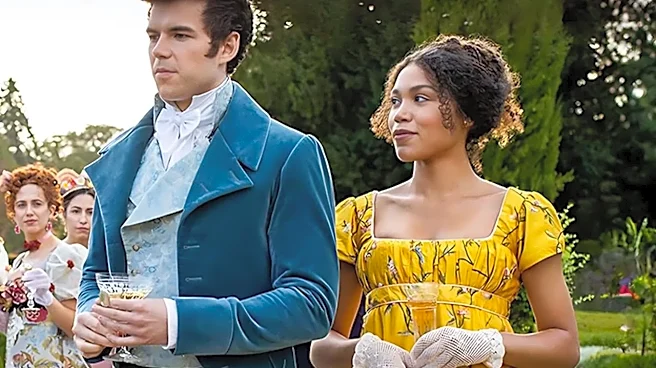
Ever notice how in a high-end drama, a character's face is perfectly in focus while the background melts into a beautiful, soft blur? That's called a shallow depth of field, and it's one of the biggest signifiers of a 'cinematic' look. This technique is achieved by using specific lenses and camera settings (like a wide aperture) to create a very small plane of focus, forcing the viewer's eye exactly where the director wants it. It separates the subject from their environment, making them pop from the screen and heightening the sense of drama and intimacy. In contrast, older TV shows and sitcoms often used deep focus, where most of the scene was sharp and clear. The deliberate use of shallow focus is a powerful storytelling tool that helps elevate a show's visual language.
The Magic of 'Golden Hour'
Filmmakers are obsessed with a specific time of day: the 'golden hour'. This is the short window of time just after sunrise and just before sunset when the sun is low on the horizon. The light during this period is soft, warm, and casts long, gentle shadows, making everything and everyone look gorgeous. It’s a natural, built-in filter that adds a warm, often romantic or nostalgic quality to a scene. While it’s challenging to shoot an entire series only during these brief windows, directors of photography are masters at recreating this look with artificial lighting. They use powerful lights diffused through silks and bounced off surfaces to mimic that low, angled, golden glow, bringing the magic of a perfect sunset to any scene, day or night.
The Camera Is Always Moving
Think about classic sitcoms—the camera is often static, locked down as if you’re watching a play. Modern cinematic television does the opposite. The camera is almost always in motion. These aren’t just shaky, handheld movements (though those are used for effect, too). We’re talking about smooth, deliberate motions: slow slides, gentle pushes on a dolly, or graceful arcs from a crane. These movements add depth and dynamism to a scene, making the world feel more three-dimensional and immersive. A slow push-in on a character can heighten their emotional reaction, while a tracking shot that follows them down a hallway makes the viewer feel like they are right there with them. This constant, subtle motion is a key ingredient that separates today's prestige TV from its stationary predecessors.
Thinking Outside the (TV) Box
For decades, television was defined by a nearly square 4:3 aspect ratio. The switch to widescreen 16:9 for high-definition TV was a huge leap, but many of today's most cinematic shows are pushing it even further. You might notice black bars at the top and bottom of your screen. This often means the show is using a wider, more cinematic aspect ratio, like 2.39:1, which has long been the standard for epic movies. This wider frame mimics the experience of being in a movie theater and allows for more expansive compositions. It can make landscapes feel more epic and group conversations more engaging. It’s a deliberate choice to break from the traditional television frame and fully embrace the language of cinema.