


The Original Influencer: Dracula
When you picture a vampire, you probably conjure an image of Bela Lugosi in the 1931 film 'Dracula': slicked-back hair, a formal tuxedo, and that iconic, high-collared opera cape. This look established the vampire as a creature of aristocratic menace
and old-world sophistication. Interestingly, the famous cape wasn't a feature of Bram Stoker's original novel but was introduced in the 1920s stage adaptation for a practical reason: it allowed the actor to 'disappear' offstage. Lugosi brought the look to Hollywood, and in doing so, cemented the uniform for decades. Paired with a tailored evening suit, the cape signaled that this was no mere monster, but a nobleman—albeit a predatory one. This combination of formalwear and theatricality became the undisputed blueprint for vampire style.
From Horror to Romance and Rebellion
By the 1970s and 80s, the vampire began to change. Anne Rice's 'Vampire Chronicles' reimagined them not just as monsters, but as tormented, romantic antiheroes. This shift coincided with the rise of the goth subculture, which grew out of the post-punk music scene. Bands like Bauhaus—whose debut single was the appropriately titled 'Bela Lugosi's Dead'—The Cure, and Siouxsie and the Banshees created a soundtrack for a new kind of darkness. Goth fashion borrowed from Victorian mourning attire—think black lace, velvet, and corsets—and blended it with punk's rebellious spirit. The vampire aesthetic became less about being a literal count from Transylvania and more about expressing a dark, romantic, and an-drogynous sensibility that rejected mainstream norms.
The Sleek, Modern Anti-Hero
The late '90s and 2000s stripped the vampire of its frills. Instead of capes and cravats, we got long leather coats and tactical gear, as seen in films like 'Blade' and 'Underworld'. This was a vampire for a new millennium: faster, more integrated into the modern world, and dressed for action, not the opera. Even the romantic vampires of 'Twilight' traded historical garb for dark, contemporary clothing like fitted jeans and stylish jackets, making them feel more relatable. This evolution saw the vampire's wardrobe become more minimalist and utilitarian. The message was no longer about flaunting ancient lineage through aristocratic clothing, but about blending in with a subtle, dangerous coolness.
The Cutting Edge of High Fashion
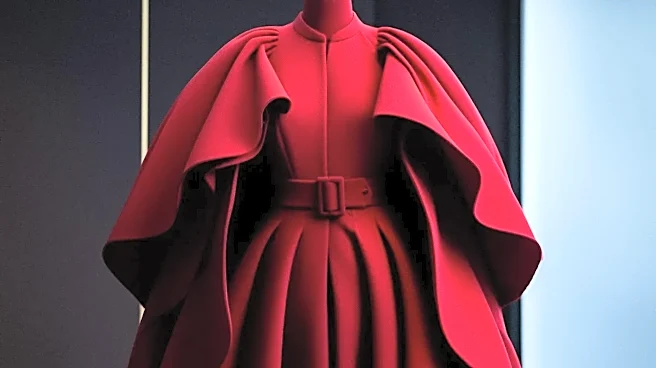
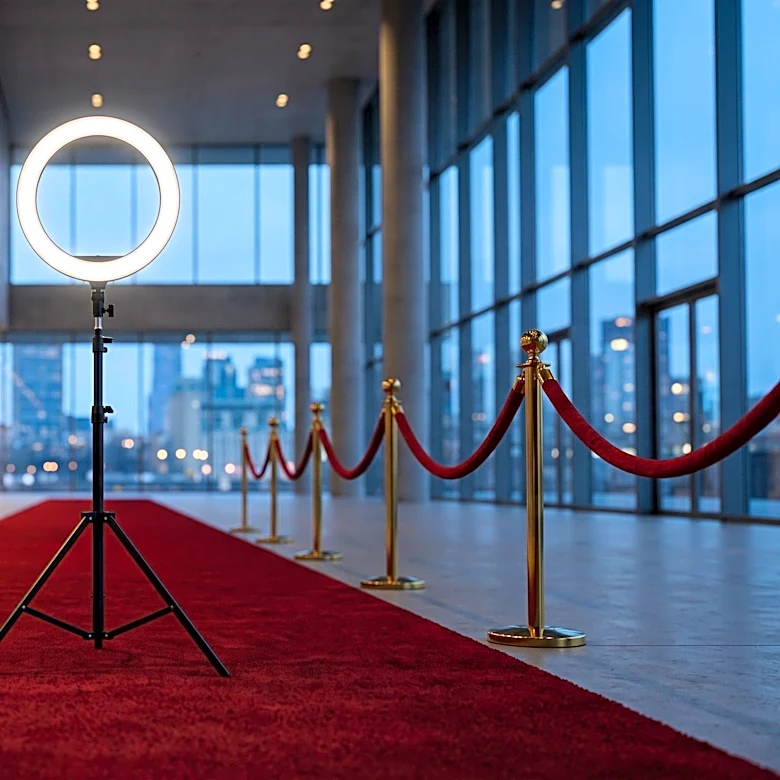
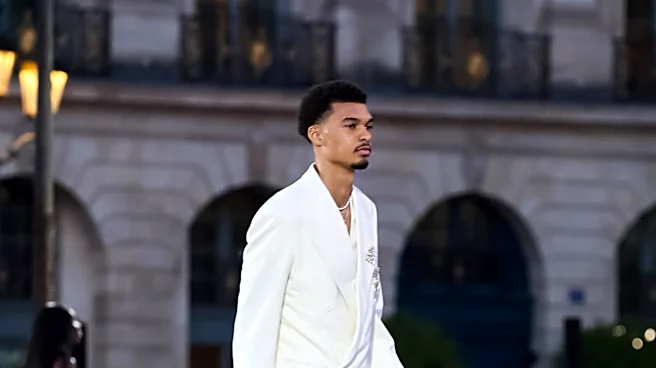
Today, the vampire aesthetic has been fully embraced by high fashion, where the opera cape has been replaced by razor-sharp tailoring. Designers like Rick Owens and Ann Demeulemeester have built brands around a dark, romantic, and avant-garde look that feels distinctly vampiric. Their collections often feature dark color palettes, luxurious fabrics like leather and velvet, and structured, architectural silhouettes. On the red carpet, this translates to celebrities embracing a modern gothic sensibility. Think impeccably tailored black suits, floor-length coats with dramatic lines, and a general air of brooding elegance. It's a look that retains the power and mystery of the classic vampire but communicates it through the clean, confident language of modern design. The vampire is no longer hiding in a castle; they're sitting front row at fashion week.