



Start with the Leather Itself
The single most important factor is the grade of the leather. Look for "full-grain" leather, which is the highest quality available. It comes from the top layer of the hide and includes all the natural grain, pores, and occasional markings. This makes
it incredibly durable and allows it to develop a rich, beautiful patina over time as it absorbs oils and is exposed to sunlight. The next best is "top-grain" leather, which has been sanded to remove imperfections. It's smooth and still durable, but it won't age with the same character as full-grain. Be wary of terms like "genuine leather," which often refers to lower-quality splits of the hide, or "bonded leather," a composite material that is prone to peeling and cracking.
Understand the Tanning Process
How leather is treated is crucial to its longevity. The gold standard for aging is vegetable-tanned leather. This traditional method uses natural tannins from plants and can take months to complete. It produces a firm, durable leather that softens beautifully and develops a unique patina. In contrast, about 90% of the world's leather is chrome-tanned, a fast and inexpensive process using chromium salts. While often softer initially, chrome-tanned leather has a more uniform and synthetic feel, and it typically does not develop a patina, meaning its appearance will not improve with age.
Examine the Stitching and Seams
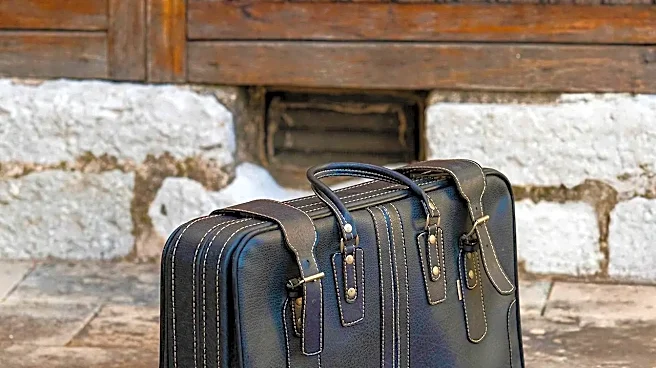
Even the best leather is useless if the construction is poor. Inspect the stitching closely. On a well-made bag, stitches will be small, tight, and consistent, with no loose threads or crooked lines. Uneven spacing is a sign of rushed assembly. Pay special attention to high-stress points like handle attachments, corners, and where straps connect. These areas should have reinforced or double-stitching to ensure they can withstand daily use. A bag crafted from fewer, larger pieces of leather is also generally stronger than one pieced together from many small scraps.
Inspect the Hardware
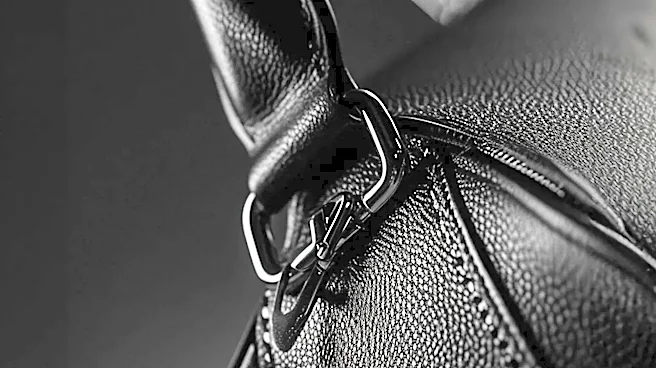
Zippers, buckles, clasps, and feet are the functional backbone of a bag. Quality hardware should feel heavy and solid, not hollow or lightweight. Look for solid brass or stainless steel components, which are far more durable than cheaper plated alloys that can flake or discolor. Zippers should glide smoothly without snagging; many high-quality bag makers will use reputable brands like YKK. Clasps should click securely into place. Any logos on the hardware should be crisply engraved, not printed on. These details may seem minor, but they are often the first things to fail on a poorly made bag.
Don't Forget the Edges and Lining
How a bag’s edges are finished says a lot about its craftsmanship. Look for folded or burnished edges, where the leather is smoothly rounded and polished. This is a time-consuming technique that lasts. A cheaper alternative is a painted edge, which can look fine when new but is prone to chipping, cracking, and fraying over time. Inside, the lining should be made of a durable material like cotton canvas, nylon twill, or even a soft microfiber, and it should be stitched in neatly without sagging or puckering. A light-colored lining is also a practical plus, as it makes it much easier to find your belongings inside.