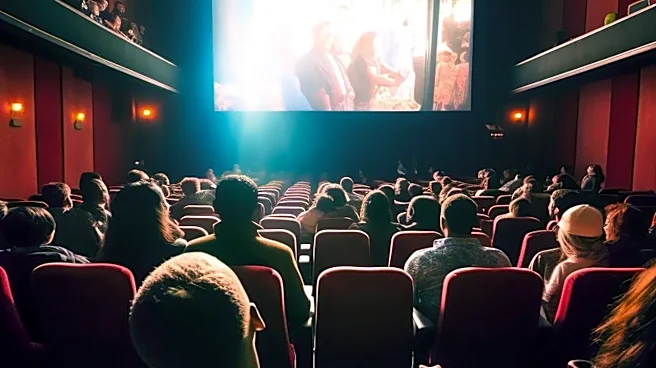






The theater is dark, the popcorn is rustling, and a packed audience holds its collective breath. A jump scare hits, and the room erupts in a wave of screams and nervous laughter. It’s a scene replayed every October, but why do we do it?
The Allure of the Chemical Cocktail
At its most basic
level, the appeal of a scary movie is a biological hack. When you’re watching a killer stalk their next victim, your brain doesn’t always distinguish between real and imagined threats. It triggers the 'fight-or-flight' response, flooding your system with adrenaline, which increases your heart rate and respiration. But because another part of your brain knows you're safely slumped in a theater seat, this adrenaline rush is followed by a release of endorphins and dopamine. This chemical cocktail creates a feeling of euphoria and intensified positive feelings after the scare wears off. For thrill-seekers, this rush is the primary draw; it’s a high without the hangover, a safe way to stimulate a nervous system that craves excitement.
A Rehearsal for Real-World Threats
Horror films also serve as a kind of psychological training ground. This idea, known as catharsis, suggests that watching frightening events unfold in a controlled environment allows us to confront and process our deepest anxieties—about death, violence, and the unknown—without any actual danger. It’s a safe platform to imaginatively process real-life issues. By watching characters navigate terrifying situations, we get to rehearse our own coping mechanisms. Some research even suggests that horror fans may feel better prepared for real-world crises, having practiced managing negative emotions from the safety of their couches. The experience can provide a sense of mastery over difficult or scary situations, giving us a therapeutic release of repressed emotions.
The Communal Rite of Passage
Very few people go to a scary movie hoping to be the only one in the theater. The shared experience is a massive part of the appeal. Experiencing fear together has been shown to create powerful bonds. When a group gasps, jumps, and then laughs in relief, it builds a sense of camaraderie and connection. It’s a phenomenon sometimes compared to a mild form of 'trauma bonding', where a shared intense experience forges a link between individuals. This social element turns a personal scare into a communal event, reinforcing social ties and creating lasting memories. It explains why watching a horror film is a classic date night or group outing; navigating a fictional threat together can make people feel closer in the real world.
The Modern Campfire Story
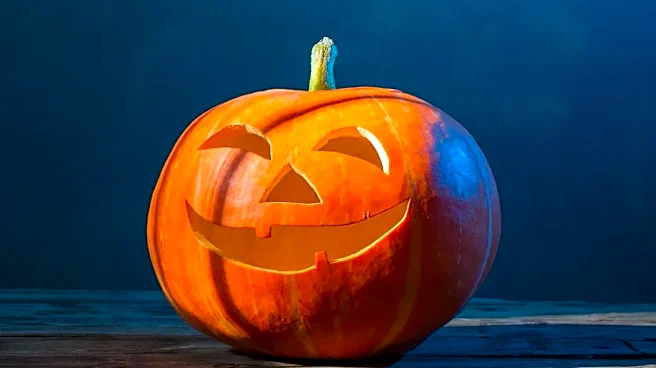
The link between Halloween and horror is no accident. Halloween’s origins are rooted in the Celtic festival of Samhain, a time when the veil between the living and the dead was believed to be at its thinnest. It has always been a season for confronting our morbid curiosity about death and the supernatural. In the past, this was done through ghost stories told around a fire. Today, the multiplex serves the same function. Hollywood has cemented this tradition, with iconic slashers and supernatural thrillers becoming as much a part of the season as pumpkins and costumes. The predictability of the horror genre—the final girl, the jump scares, the monster’s return—offers a strange kind of comfort, fulfilling a cultural ritual that allows us to explore our darkest fears in a festive, structured way.