





From Gimmicks to Garment Structure
For the past several years, chasing trends often meant chasing a particular pattern, a must-have graphic tee, or a quirky, camera-friendly accessory. Fashion Week felt like a race for the next viral item. But recent collections signal a significant pivot.
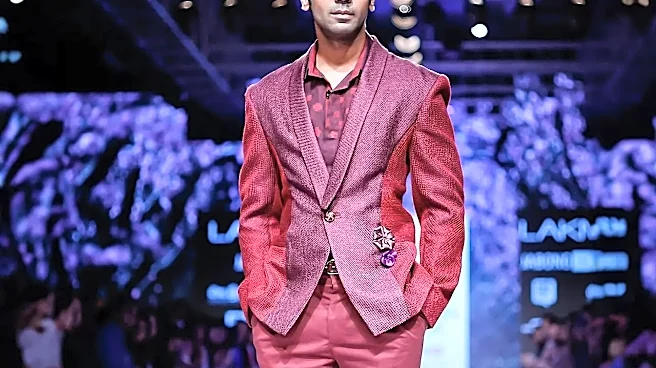
Designers are exploring shape and form over surface-level decoration. The defining trends of 2026 are rooted in contrast: precision paired with fluidity, structure softened by movement, and a renewed focus on the garment's fundamental silhouette. We’re seeing a resurgence of intentional power dressing, defined by structured shoulders, cinched waists, and relaxed tailoring. This shift from novelty to proportion means that the 'it' item is no longer a specific print, but a specific cut—like a barrel-leg pant or a boxy, oversized blazer. While these pieces look dramatic on the runway, they present a challenge for the average consumer. An off-the-rack oversized coat can easily overwhelm a smaller frame, and trousers designed to pool at the ankle just look sloppy if the length is wrong.
The Tailor’s New Mandate
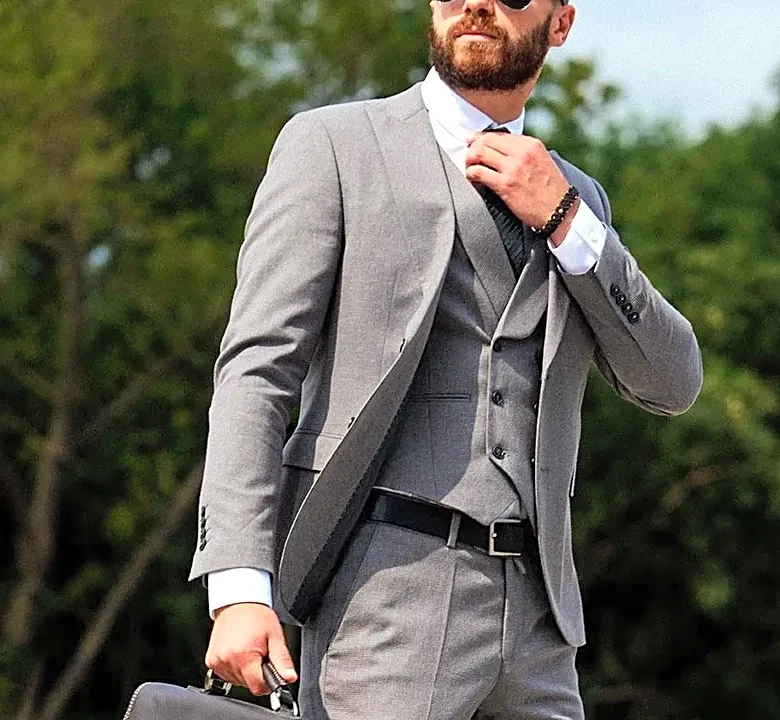
This is where the tailor steps in, no longer just a fixer of too-long hems or gaping waistbands. The current trends require a more sophisticated skill set. Making an oversized blazer look intentional rather than ill-fitting involves more than just shortening the sleeves; it might require restructuring the shoulders or slimming the torso to balance the volume. Tailors are becoming essential partners in style, helping consumers adapt high-fashion concepts to their own bodies. This is especially true as relaxed, straighter silhouettes become the new standard in both menswear and womenswear, moving away from the ultra-slim fits that once dominated. The goal isn't to make a large garment small, but to preserve its intended shape while tailoring it to the individual's proportions. This renewed focus on fit is also a quiet rebellion against the disposable nature of fast fashion, where clothes are often discarded because they don't fit quite right.
The Rise of Mindful Consumption
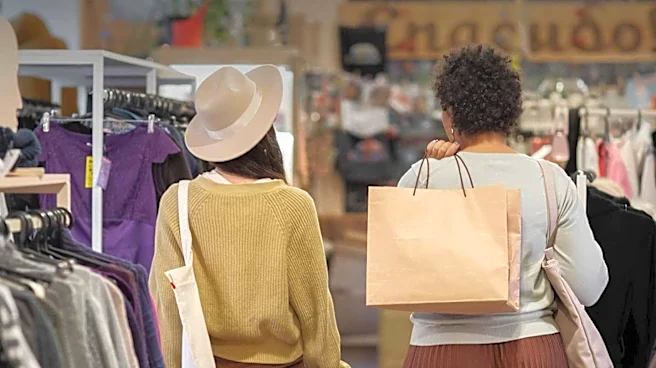
The boom in tailoring is also linked to a broader cultural shift towards sustainability. Consumers, particularly younger generations like Gen Z, are increasingly interested in extending the life of their clothes, whether by thrifting and altering vintage finds or investing in quality pieces they can wear for years. A well-made garment that fits perfectly is less likely to end up in a landfill after one season. Choosing to alter an existing piece instead of buying something new reduces waste and lowers the overall environmental footprint of a wardrobe. This mindset encourages a move away from constant, trend-driven purchasing toward a more considered, long-term relationship with one's clothing. Supporting a local tailor is, in itself, a sustainable act that champions craftsmanship over mass production.
Making Trends Work for You
The focus on proportion ultimately democratizes fashion. You don't need to have a specific body type to participate in the oversized trend; you just need a good tailor to help you nail the silhouette. This is a departure from trends that favored one body type over all others. By investing in alterations, consumers can take control of how clothes fit, personalizing runway looks to suit their own style and physique. Whether it’s a vintage blazer that needs its shoulder pads adjusted or a pair of wide-leg trousers that require hemming to work with flats instead of heels, tailoring empowers the wearer. It transforms clothing from a disposable commodity into a personal statement, ensuring that style is about how you wear it, not just what you buy.