




The Runway: Selling a Dream
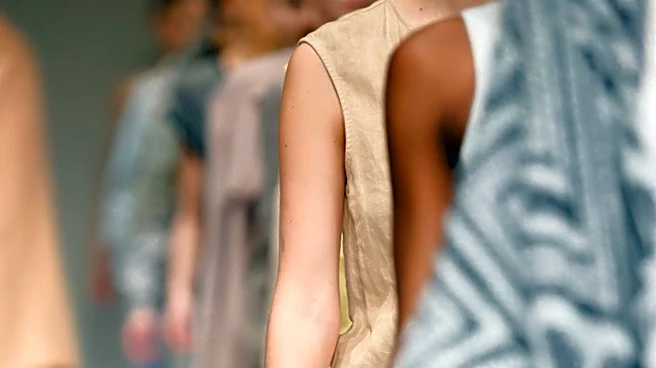
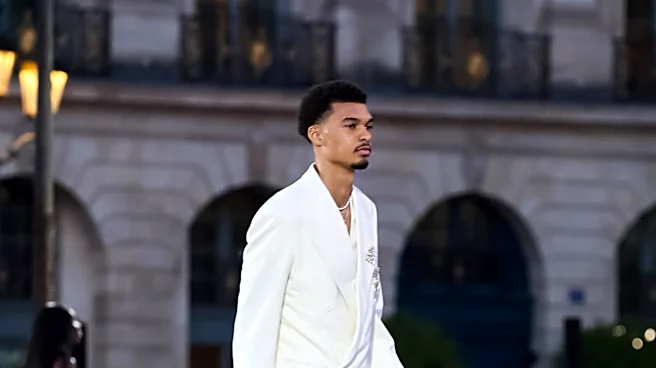
A fashion show is pure theater. Its primary purpose isn't to sell individual garments but to establish a powerful brand identity and narrative for the season. Designers use the runway to create an immersive world, combining music, elaborate sets, and specific
styling to convey a mood or an idea. It's an art performance where clothes are part of a broader story. A designer might be communicating a feeling of rebellion, a sense of futuristic optimism, or a return to nostalgic comfort. The show is about the 'why'—why this collection exists, what it stands for, and the dream the brand wants its audience to buy into. For the few minutes the models are on the catwalk, the designer has complete control over how their vision is perceived, creating memorable, often viral, moments that generate media buzz and define trends.
What the Spectacle Can Hide
For all its narrative power, the runway is a highly controlled illusion. The dramatic lighting can alter colors, the frantic pace prevents a close look at details, and the extreme styling—meant for impact—can obscure how a garment actually fits or functions. A jacket might be pinned back to create a sharp silhouette, or a delicate dress might be layered under so many other pieces that its true shape is lost. The theatricality that makes a show compelling is precisely what can make it a poor vehicle for judging the clothes themselves. You see the concept, but you don't necessarily see the collection in a practical, wearable context. You leave with a feeling, an impression, but maybe not a clear understanding of the individual pieces.
The Showroom: A Reality Check
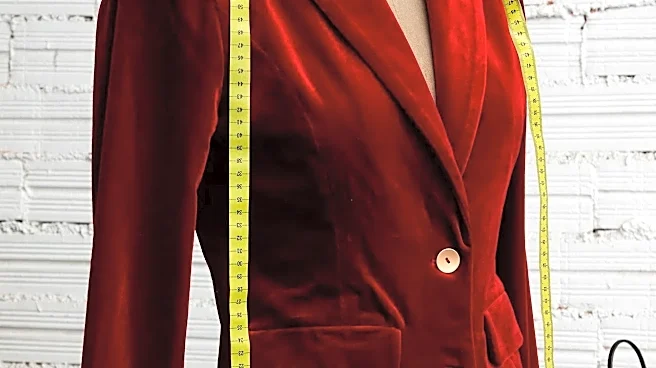
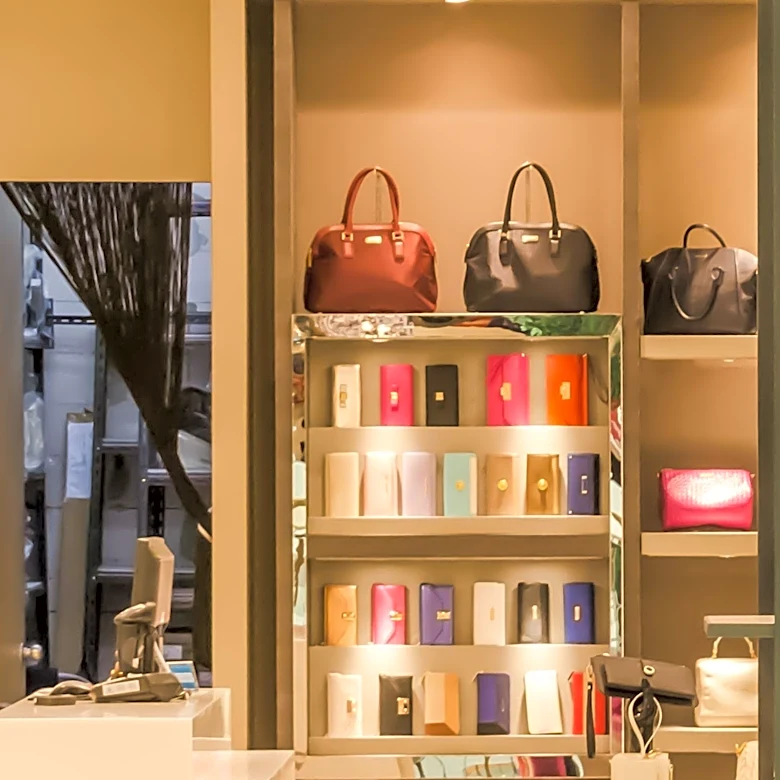
After the runway lights dim, the collection moves to the showroom. This is where the business of fashion truly happens. A showroom is a quiet, controlled space where buyers, editors, and stylists can see the clothes up close, without the distraction of a show. Here, you can touch the fabric, inspect the seams, see the interior construction, and understand how a piece is meant to be worn. Sales representatives walk attendees through the collection style by style, explaining the materials and suggesting pairings. Unlike the fleeting moments on a runway, a showroom appointment is an intimate, unhurried conversation with the clothes.
For Buyers and Editors, Details Are Everything
For a department store buyer, the showroom is non-negotiable. They need to determine which pieces will resonate with their customers and sell. That means feeling the weight of a coat, understanding the fit of a pair of pants, and seeing all available colorways—details that are impossible to grasp from a runway seat. They are making purchasing decisions worth thousands of dollars, and those decisions are based on the tangible reality of the product. Similarly, for a magazine editor or stylist, the showroom provides the necessary information to write knowledgable reviews or select specific items for photoshoots. They can see how a dress hangs on a rack, not just how it moves on a size-zero model, giving them a truer sense of its versatility.
The Verdict: Vision vs. Viability
So, which reveals more? The answer is that they reveal different things, and both are essential. The runway show reveals the designer's vision. It's a top-down declaration of the season's mood and key ideas, packaged for maximum emotional and media impact. It tells you what the designer wants you to feel. The showroom appointment, on the other hand, reveals the collection itself. It's a bottom-up examination of the garments' quality, commercial viability, and real-world application. It tells you what you will actually be able to buy and wear. To ask which is better is like asking whether a movie's trailer or its script tells you more. One sells the story, the other provides the substance.