




1. The Weight of a Golden Generation
To understand the goal, you must first understand the pressure. Spain arrived in South Africa as the reigning European champions, a team that had revolutionized soccer with its “tiki-taka” philosophy of suffocating possession. Yet, for all their talent—Xavi, Villa, Puyol, Casillas—Spain had a reputation as World Cup underachievers, never having reached a final before. The 2010 tournament was seen as the last, best chance for this “Golden Generation” to claim the one prize that had always eluded them. Every pass, every tackle, and every scoreless minute in that final added another layer to the mountain of national expectation. They weren't just playing a game; they were trying to rewrite a history of failure.
2. Surviving the Brutal Final
The 2010 World Cup Final wasn’t a beautiful
game. It was a war. The Netherlands, renowned for their own brand of “Total Football,” abandoned artistry for aggression. They were determined to break Spain’s rhythm by any means necessary. The match set a record for yellow cards in a World Cup Final (14), including a now-infamous studs-up karate kick to Xabi Alonso’s chest from Nigel de Jong that somehow only earned a yellow. Andrés Iniesta, Spain’s slender, ghost-like midfielder, was a primary target. He was fouled repeatedly, testing his physical limits and mental resolve. Simply being on the field and able to run in the 116th minute was an act of endurance and defiance. He had survived the battle to be in position for the war-winning moment.
3. The Chain Reaction of Composure
Great goals are rarely solo acts. Iniesta’s is a testament to a team retaining its philosophy under duress. The move began with a counter-attack sparked by Jesús Navas. After a scramble, the ball found Cesc Fàbregas on the edge of the box. A lesser player, exhausted and anxious, might have shot immediately from a bad angle. Instead, Fàbregas showed incredible composure. He saw the Dutch defense was scrambled and that Iniesta was drifting into a pocket of space to his right. His pass wasn't perfect—it took a slight deflection and bounced—but it was decisive. He trusted his teammate’s skill over his own glory, a fitting final pass for a team built on collective brilliance.
4. The Perfect Strike
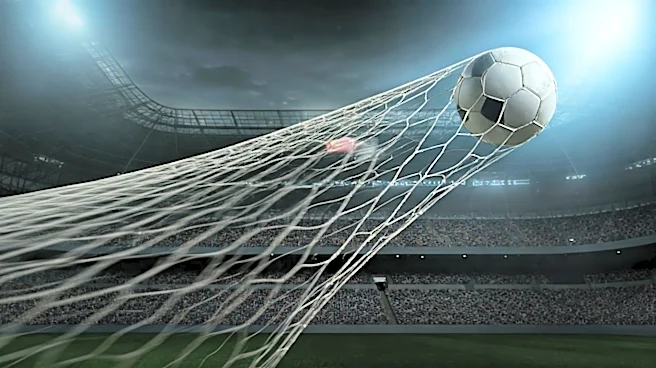
The ball bounced. For Iniesta, time slowed down. For most players, a bouncing ball in the penalty area in the 116th minute of a World Cup Final is a recipe for a skied shot into the stands. But Iniesta isn't most players. He watched it come down, letting it drop to the perfect height. He didn't try to control it. He didn't take an extra touch. He met it on the half-volley with the outside of his right boot, a notoriously difficult technique. The connection was pure, violent, and precise. Dutch goalkeeper Maarten Stekelenburg lunged, but the ball was already past him, bulging the back of the net. It was a moment of supreme technical skill executed under the most intense pressure imaginable in the sport.
5. A Celebration of Humanity
What happened next made the moment immortal. As his teammates and an entire nation erupted, Iniesta sprinted to the corner, pulling off his jersey to reveal a white undershirt. Scrawled on it in blue ink were the words: “Dani Jarque: siempre con nosotros” (Dani Jarque: always with us). Jarque, the captain of club Espanyol and Iniesta’s friend, had tragically died from a heart attack the previous summer. In his moment of ultimate professional triumph, Iniesta’s first thought was to honor his fallen friend. It transformed a World Cup-winning goal into a profound statement of love and loss, reminding the world that even these sporting gods are human. It wasn’t just a goal; it was an act of grace.