






An Education in Microclimates
First-timers often make a critical mistake: they check the weather for "San Francisco" and pack for a city enjoying a mild summer day. They fail to account for the hyper-specific microclimate of Golden Gate Park's western end. Proximity to the Pacific
Ocean means that even on a beautiful day, the infamous marine layer is never far. It typically rolls in between 2 and 4 p.m., causing temperatures to drop dramatically just as the festival's energy builds. Daytime highs might hover in the comfortable mid-to-upper 60s, but by the time the headliners take the stage, you're looking at the mid-50s with a damp, persistent wind that makes it feel much colder. This isn't just weather; it's an atmospheric opponent, and showing up unprepared is a rookie move that can ruin your night.
The False Economy of Cheap Layers
Faced with the unexpected chill, many festivalgoers make a panic-buy at the merch tent, grabbing a standard-issue hoodie that offers minimal protection against the wind and damp. Others come armed with a flimsy, fast-fashion jacket they never intend to wear again. Both are costly errors. That thin layer won't stop the wind, and its single-use purpose is wasteful. The real issue is value. This is where the concept of "cost-per-wear" comes in. A cheap item worn only once or twice is often more expensive in the long run than a quality piece you wear for years. The idea is to shift your mindset from a one-time cost to a long-term investment in your comfort and style.
Let's Do the Math: Cost-Per-Wear
The calculation is simple: divide the price of a garment by the number of times you wear it. Let's say you buy a trendy but low-quality $50 jacket specifically for the festival. You wear it for the three nights of Outside Lands and maybe once more before it loses its shape or appeal. Your cost-per-wear is $12.50. Now, consider a well-made, versatile, and stylish jacket that costs $200. It's wind-resistant, has secure pockets, and fits you perfectly. You wear it for all three nights of the festival. You also wear it to concerts, on trips, and during cool evenings for the next four years, accumulating another 37 wears. For those 40 wears, your cost-per-wear drops to just $5.00. The "expensive" jacket is suddenly more than twice as economical, and you were more comfortable every single time you wore it.
The Anatomy of a Perfect OSL Jacket
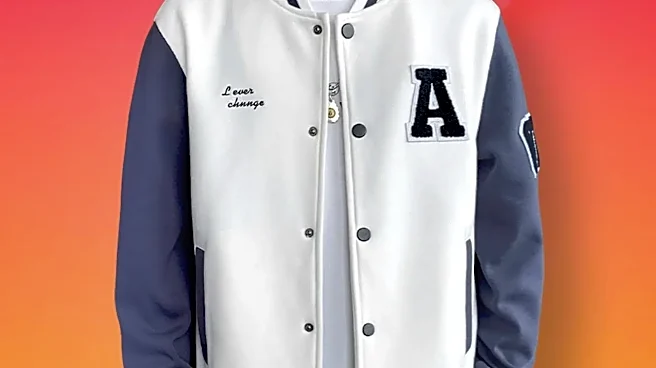
So, what makes a jacket a great investment for Outside Lands and beyond? First, it must be functional. Look for something that is wind-resistant and at least water-repellent to handle the damp fog. A good hood is non-negotiable. Second, consider convenience. Zippered pockets are essential for keeping your phone, wallet, and keys secure while you're dancing in a crowd. A jacket that is somewhat packable or easy to tie around your waist during the warmer afternoon hours is also a huge plus. Finally, think about style. The Outside Lands vibe is more about cool street style than elaborate rave wear. A classic denim jacket lined with sherpa, a sleek bomber, a lightweight technical shell, or a stylish puffer are all excellent choices that will keep you warm without sacrificing your look. Choose a color and silhouette you genuinely love, ensuring you'll reach for it long after the festival ends.