









The Celebration Killer
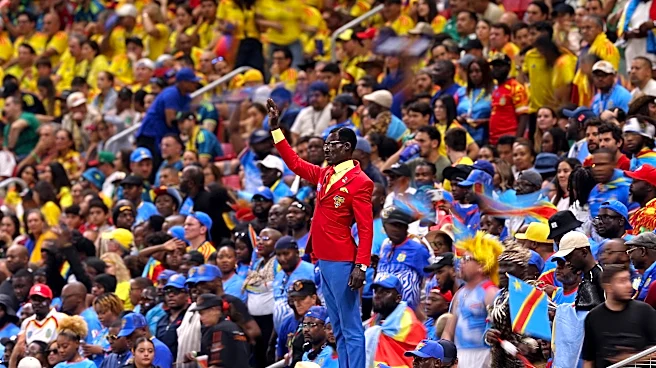
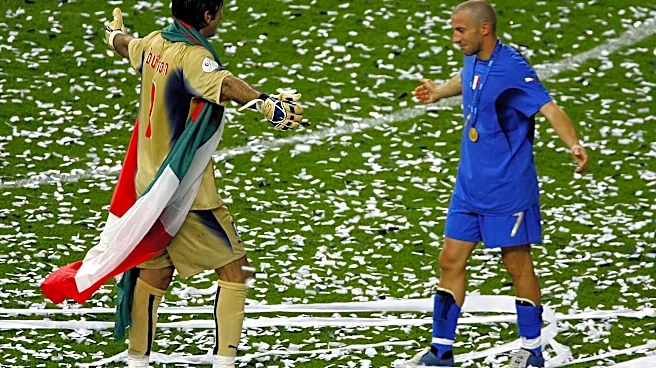
The single greatest moment in soccer is the ball hitting the back of the net. It’s a moment of collective, spontaneous euphoria that binds thousands of strangers in a single instant. VAR has put that moment on an emotional hold. Now, every goal, particularly
in a high-stakes cup match, is provisional. A recent survey found that a staggering 91.7% of fans feel VAR has removed the spontaneous joy from goal celebrations. Instead of exploding, fans and players alike cast a nervous glance toward the referee, waiting for the invisible hand of the video booth to deliver its verdict. That brief, agonizing delay—which can stretch for minutes—sucks the passion out of the experience, replacing it with anxiety. The moment is no longer pure; it’s a transaction pending approval. What was once an eruption of feeling has become a period of nervous anticipation, often followed by either relief or a soul-crushing reversal.
Judgment From an Anonymous Room
For over a century, soccer’s villains were tangible. There was the rival team’s star player, the overzealous defender, or the biased referee you could jeer at from the stands. VAR has introduced a new antagonist: a faceless, bureaucratic entity. The decisions come from an anonymous official in a remote room, staring at screens and drawing digital lines. This removes the human element of confrontation that has always been part of the sport’s drama. You can’t argue with a video screen. This disembodied justice feels cold, clinical, and, to many, unaccountable. The lack of transparency in the decision-making process only fuels frustration. Pundits and fans alike have criticized governing bodies like FIFA for not providing clear and immediate explanations for contentious calls, leading to a sense of helplessness and suspicion. This new villain isn't a person you can put a face to; it's a system that feels distant and untouchable.
The Tyranny of the Digital Line
VAR’s promise was to correct “clear and obvious errors.” Instead, it has ushered in an era of hyper-pedantic officiating. The most egregious example is the offside rule. Fans now endure lengthy delays while officials in the VAR booth use sophisticated technology to determine if a player’s armpit, shoulder, or big toe was a millimeter ahead of the last defender. These “marginal” offside calls, while technically correct according to the technology, often feel completely against the spirit of the game. A breathtaking attacking move can be nullified by a detail invisible to the naked eye, leading to widespread frustration. It has created a new type of controversy, not over whether a referee made a mistake, but whether the very precision of the technology is at odds with the game’s flow and common sense. The pursuit of perfect, objective accuracy has, in many cases, created outcomes that feel profoundly wrong.
A Tool for Objectivity That Feels Arbitrary
Perhaps the most damning indictment of VAR is its failure to deliver on its core promise: consistency. The technology is still reliant on human interpretation, meaning what constitutes a “clear and obvious error” can vary wildly from one referee to another, and from one game to the next. A handball that is a penalty in one match is waved away in another. A tackle that earns a red card after review in a morning game is ignored by the VAR in the afternoon fixture. This inconsistency creates a new layer of debate and anger, undermining the very idea that VAR is an impartial tool. Rather than ending arguments about refereeing decisions, it has simply shifted them. Fans are no longer just debating the call on the field, but also the perplexing logic of the unseen officials and why the supposed safety net of technology seems to catch some errors but let others through.