


The Power of the Modern Myth
For many, legacy horror characters like Michael Myers, Freddy Krueger, or Ghostface are more than just movie villains; they're modern-day folklore. These figures have been part of the cultural landscape for decades, evolving with each new installment.
Seeing a new 'Halloween' film isn't just about watching a movie—it's about checking in with a myth. Fans have grown up with these characters, and each sequel offers a chance to revisit a world and a feeling that is deeply ingrained in their memory. The story is almost secondary to the return of the icon. It’s less about a surprising plot and more about witnessing the continuation of a legend, regardless of its narrative quality.
A Communal Experience Like No Other
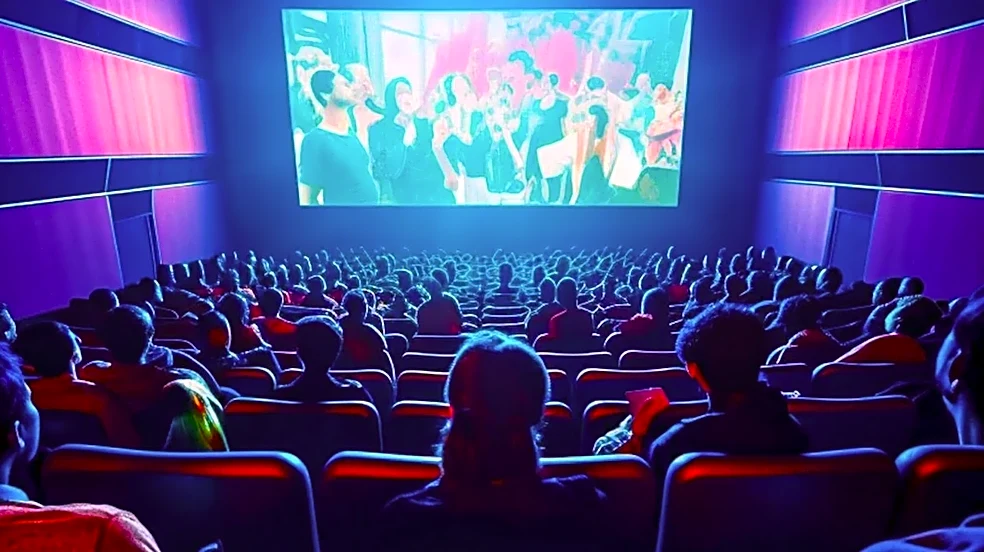
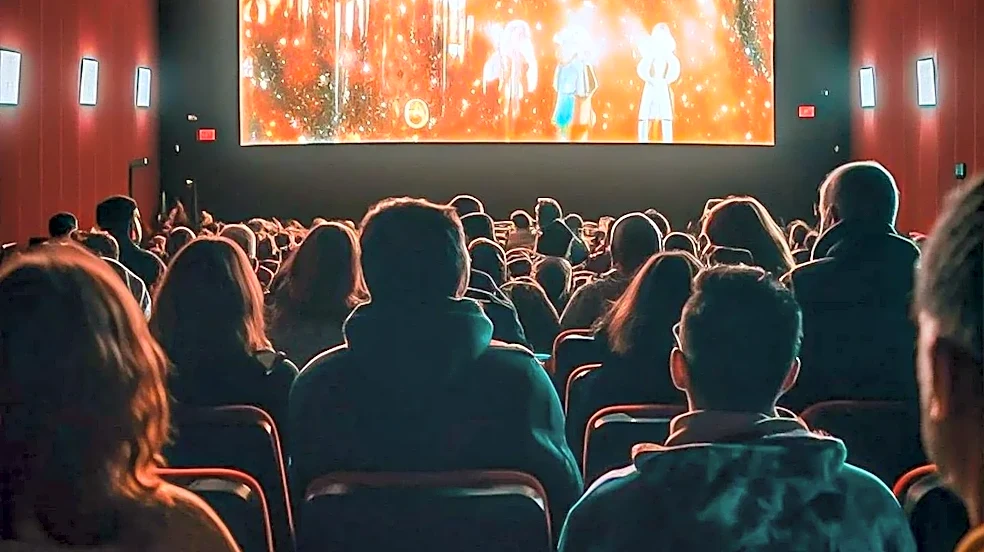
Horror is arguably the one genre best experienced in a packed theater. The collective gasps, jumps, and nervous laughter create an electric atmosphere that simply can't be replicated on a couch. This shared experience is a powerful draw. In a theater, you're part of a temporary community, all there to be scared together. The energy feeds on itself; one person's scream primes the rest of the audience for the next jump scare, creating a feedback loop of fear and excitement. This turns the screening into an event, a communal ritual where the audience's reaction is as much a part of the show as what's happening on screen. Even if the film is flawed, the experience of surviving it with a crowd is often worth the price of admission.
The 'Completionist' Drive and Franchise Loyalty
If you've seen the first ten movies in a franchise, are you really going to skip the eleventh? For many die-hard fans, the answer is no. There's a 'completionist' impulse at play, a desire to see a story through to its conclusion and to have an opinion on every chapter. This loyalty is a powerful force that studios count on. Fans want to be part of the conversation, to debate the new installment's place in the franchise canon, and to dissect its kills, twists, and character arcs with fellow enthusiasts online. Skipping a sequel means missing out on that cultural participation, leaving a gap in your fan credentials.
The Hope for 'The Good One'
While horror sequels have a reputation for diminishing returns, there's always the chance that the next one will be a return to form. History is filled with franchises that delivered a surprisingly great sequel deep into their run, like 'A Nightmare on Elm Street 3: Dream Warriors' or 'Saw VI'. This glimmer of hope keeps fans coming back. They're chasing the high of the original film or that one sequel that defied expectations. The fear of missing out (FOMO) is real; no fan wants to be the one who skipped the sequel that everyone ends up loving. Every new entry is a gamble, but it's one that fans are often willing to take in hopes of striking gold.