



The Song That Almost Wasn't
The song that launched Bessie Smith into stardom, “Downhearted Blues,” was not one she wrote. It was penned a year earlier by two other pioneering women: jazz singer Alberta Hunter and composer Lovie Austin. Hunter had already recorded a popular version
of the tune herself. Smith’s journey to that recording session was also far from certain. She had already been turned down by other labels, including OKeh and Black Swan Records, whose executives deemed her powerful, gritty style too unrefined for mainstream audiences. When she arrived at Columbia Records, a label teetering on the financial brink, it was for a session secured by talent scout Frank Walker, who had seen her perform years earlier and recognized her raw potential. Even then, the first day's takes on February 15, 1923, were considered a warm-up. The magic happened the next day, when she laid down the version of “Downhearted Blues” that would change music history.
A Voice That Changed Everything
The recording technology of 1923 was primitive. Singers projected their voices into a large acoustic horn that physically etched the sound waves onto a wax disc. There was no room for subtlety; power and clarity were everything. This is where Bessie Smith’s years of belting out tunes in rowdy vaudeville halls and tent shows without a microphone became her greatest asset. Her immense, expressive contralto voice didn’t just survive the acoustic recording process—it conquered it. Accompanied only by Clarence Williams on piano, Smith’s performance on “Downhearted Blues” is a masterclass in emotion. It’s a song of heartache, but her delivery isn't one of a victim. Instead, she infuses the lyrics with a profound sense of dignity and resilience, a quality that would define her career and connect deeply with listeners. She didn't just sing the blues; she embodied them.
From Vaudeville Star to an Empress
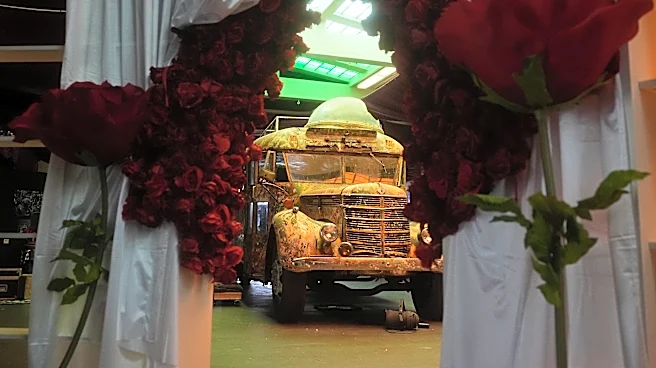
The record's success was immediate and staggering. “Downhearted Blues” sold an estimated 780,000 copies in its first six months, with some estimates putting eventual sales, including bootlegs, well over a million. For Columbia Records, it was a lifeline that pulled the company out of a financial slump. For Bessie Smith, it was a coronation. She was quickly dubbed the “Empress of the Blues,” a title she would hold for the rest of her career. The song’s popularity proved the existence of a massive, untapped market for Black artists, solidifying the commercial viability of what was then called “race records.” Within a year, Smith was the highest-paid Black entertainer in the country, touring in her own custom-built railroad car to accommodate herself and her troupe when segregated hotels turned them away.
The Song's Forgotten Architects
The legacy of “Downhearted Blues” is intrinsically linked to Bessie Smith, but the story is incomplete without acknowledging its creators, Alberta Hunter and Lovie Austin. Hunter was a celebrated blues singer in her own right, and Austin was a groundbreaking bandleader and composer during the Harlem Renaissance. While Smith’s version became definitive, it was built on the foundation they laid. In the fast-moving and often ruthless music business of the 1920s, it wasn't uncommon for the lines of authorship and ownership to blur. Pianist Clarence Williams, who accompanied Smith on the session, also received publishing credit for the B-side and likely made more money from the record than Smith did initially. The story isn't one of theft, but of a complex ecosystem where an artist's transformative performance could eclipse a song's origins, creating a new and permanent cultural touchstone.