
The Quiet After the Roar
For a recording artist, fame can be a strange and fickle beast. One decade, you’re a multi-platinum headliner with a string of number-one hits. The next, the relentless churn of the music industry—driven by youth-obsessed radio programmers and fickle streaming
algorithms—pushes you to the margins. It’s not that the fans disappear; it’s that the megaphones that once amplified your voice are now pointed at the next big thing. This can create a profound sense of displacement for artists who built the genre. Their songs are still beloved, played at weddings and karaoke bars across America, but the official channels of the industry can make them feel like ghosts, their legacy confined to “throwback” playlists.
An Audience That Remembers
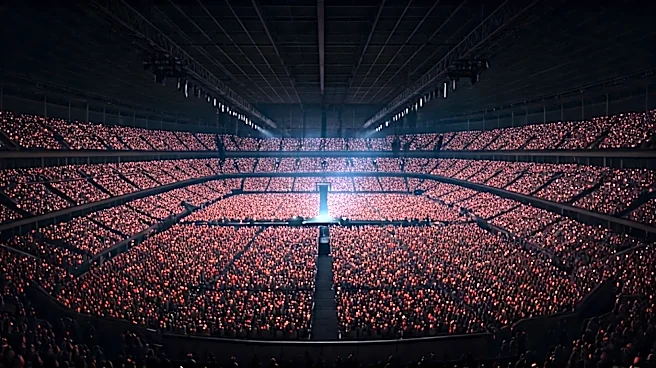
Enter CMA Fest. What began as “Fan Fair” in 1972 has evolved into a four-day country music marathon, but its original DNA remains intact: it’s for the fans. Unlike a typical tour focused on a single headliner, CMA Fest is a city-wide celebration of the genre’s entire spectrum. And crucially for veteran artists, its audience is multi-generational. While the nightly shows at Nissan Stadium feature today’s chart-toppers, the daytime stages along the Cumberland River and inside the Music City Center are a different world. Here, the lineup is a rich tapestry of past and present. An artist like Tracy Lawrence or Jo Dee Messina can draw a crowd of thousands, packed with people who bought their first albums on cassette and now share those songs with their own kids.
The Power of the Singalong
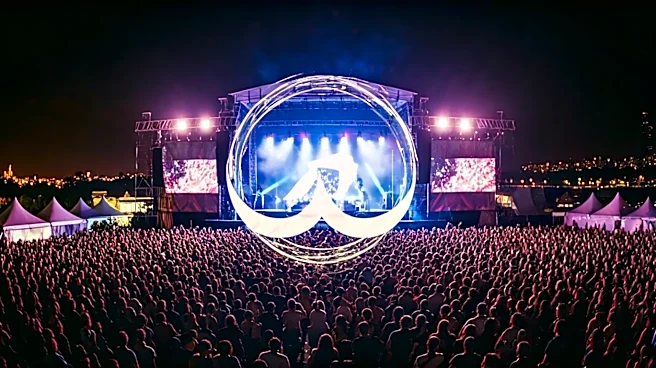
There is perhaps no more potent form of validation for a musician than a massive singalong to a deep cut. For an artist who hasn’t had a song on the radio charts in 15 years, stepping onto the Riverfront Stage and hearing 10,000 people belt out the chorus to a hit from 1996 is an electrifying experience. It’s tangible, auditory proof that their work wasn't just a fleeting moment; it became part of the soundtrack to people's lives. This isn’t a polite, nostalgic applause. It's a passionate, full-throated roar of recognition. It’s a direct line to the heart of their fanbase, unmediated by industry gatekeepers. In that moment, an artist isn’t a “veteran” or a “legacy act”—they are a star, period.
More Than Just a Show
The festival’s magic extends beyond the performances. Inside Fan Fair X at the convention center, the original spirit of the event thrives. Artists spend hours signing autographs, taking photos, and having brief but meaningful conversations with fans who have traveled thousands of miles to see them. One fan might talk about how a certain song got them through a tough time; another might show off a faded tour t-shirt from 25 years ago. This direct, face-to-face connection reinforces the bond that built their careers in the first place. It’s a powerful reminder that behind the streaming numbers and demographic reports are real people with real emotional attachments to the music. For four days in June, these artists aren’t just relevant; they are revered.