








The High-Altitude Crucible
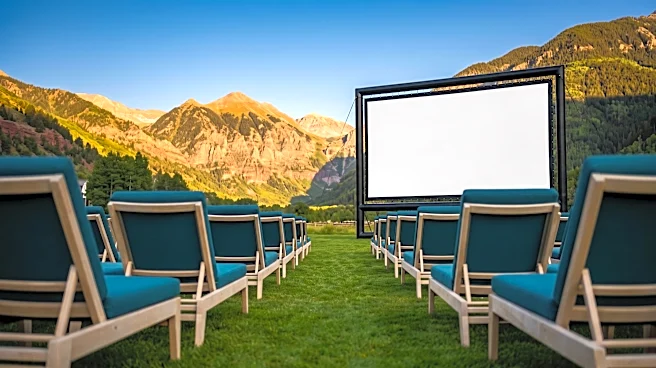
The Telluride Film Festival isn't just another stop on the circuit; it's the unofficial starting gun for the marathon that is Hollywood's awards season. Unlike the sprawling Toronto International Film Festival, which amplifies buzz, or the international
stage of Venice, Telluride is an intimate, concentrated affair. Taking place over Labor Day weekend in a small Colorado town, its program is a famously guarded secret until the last minute. Attendees, a mix of die-hard cinephiles and industry insiders, buy passes on faith, trusting the programmers to deliver cinematic gold. This creates a unique pressure cooker. A film doesn't just premiere here; it's baptized. The immediate reactions ripple out, setting the narrative for months to come. A consensus smash hit is the dream, but the next best thing is a film that shatters the consensus entirely.
The Power of a Strong Reaction
Polite applause is forgettable. Passionate arguments spilling out of a theater are not. In the attention economy of film festivals, a divisive reception is proof of life. It signals that a director has made a bold, challenging work that audiences can't simply watch and discard. Think of films that sparked walkouts, fierce debates, and a flurry of polarized reviews. While a studio might publicly wish for universal acclaim, strategists know that a split decision is a powerful marketing tool. It separates a film from the pack of safe, middle-of-the-road contenders. A movie that is loved by half the audience and loathed by the other half is, most importantly, a movie that everyone is talking about. This talk generates clicks, articles, and social media chatter, keeping the film in the cultural conversation long after the festival screens go dark.
Spinning Division into Gold
An awards campaign is a battle of narratives, and a polarizing film arrives with a potent one already built in. Publicists and awards strategists can frame the movie not as flawed, but as audacious. It’s “the most daring film of the year,” “a cinematic experience that demands to be seen,” or “a masterpiece that challenges viewers.” This positioning transforms potential negatives into intriguing positives. It dares Oscar voters and discerning audiences to see for themselves and pick a side. This strategy can be especially effective for films with difficult subject matter or unconventional styles. For example, a film like "Brokeback Mountain," which premiered in this festival corridor, or Emerald Fennell's "Saltburn," used their provocative natures to build immense cultural energy. They weren't just movies; they were events.
Silence Is the Only Real Enemy
History is littered with examples of films that stumbled out of the festival gates only to find their footing later. It's also full of movies that earned rave reviews at one festival but were forgotten by the next. What a divisive reception at Telluride provides is durability. While a quiet, respectable drama might get lost in the shuffle as dozens of other films premiere in the following weeks, a film that inspires heated debate has staying power. It becomes a reference point, a benchmark for risk-taking. The goal of an early festival premiere isn't just to get good reviews; it's to establish relevance. In a crowded field, being the film that everyone has a strong opinion on is a significant advantage. It ensures that, for better or worse, your film is part of the story. The only true failure at Telluride is to premiere to a collective, indifferent shrug.