






The Birth of a Breakthrough
The story begins in the early 19th century with a problem: how to stay dry. People had been trying for centuries, using everything from oiled sailcloth to rubber extracted from trees. The breakthrough came from a Scottish chemist named Charles Macintosh.
In 1823, he patented a revolutionary fabric by sandwiching a layer of rubber softened with naphtha between two pieces of cloth. The result was the first truly modern waterproof material. Early 'Mackintosh' coats, as they came to be known, were a marvel, but not without flaws. They could be stiff, smelly, and prone to melting in the heat, but they did one thing exceptionally well: they kept the rain out. This singular focus on function laid the groundwork for an item so useful it could never truly become obsolete.
From the Trenches to the Streets
A garment’s leap from utility to style often happens on the battlefield. For the rain jacket, this moment came in the form of the trench coat. Developed for British officers before and during World War I, manufacturers like Burberry and Aquascutum created coats from durable, water-resistant gabardine fabric. Unlike the heavy wool greatcoats that became waterlogged in the trenches, these lighter alternatives were designed for grim functionality. They featured epaulets to display rank, a storm flap for protection, and D-rings on the belt to hold equipment. When soldiers returned home, they brought their coats with them. The trench coat’s association with the valor and stoicism of the officer class gave it an immediate air of authority and sophistication, transforming a piece of military gear into a civilian style icon worn by men and, eventually, women.
The Breathable Revolution
While early raincoats kept water out, they also kept sweat in, creating a personal sauna effect. The next great leap forward solved this fundamental problem. In 1969, a happy accident in a lab led to the invention of Gore-Tex. While attempting to stretch a heated rod of Polytetrafluoroethylene (PTFE), engineer Bob Gore yanked it in frustration. Instead of breaking, it stretched by 800 percent, creating a microporous membrane. The pores were small enough to block liquid water droplets but large enough to let water vapor (sweat) escape. This invention of a waterproof and breathable fabric was a game-changer. Rain jackets were no longer just for survival in a downpour; they became comfortable, lightweight, all-weather garments suitable for hiking, sports, and everyday urban life. This technological advance massively expanded the jacket's appeal and application.
A Blank Canvas for Style
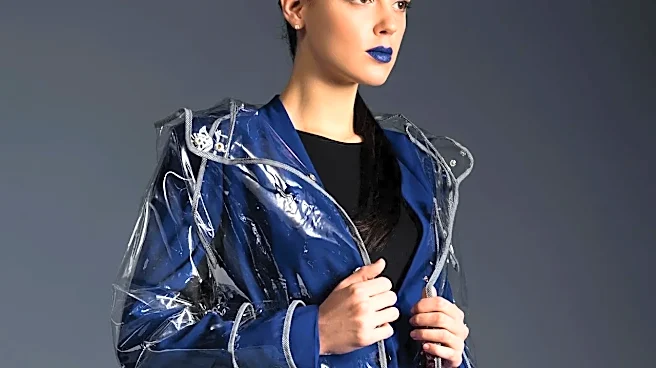
The final ingredient in the rain jacket’s longevity is its versatility. It's not one single item but a category of them. There's the classic yellow fisherman's slicker, a bright and cheerful symbol of coastal life. There’s the rugged mountain parka, beloved by outdoors enthusiasts and co-opted by streetwear culture. There’s the sleek, minimalist mac, a staple of polished urbanites, and the transparent PVC jacket, a playful, futuristic statement piece. From Humphrey Bogart making the trench coat iconic in Hollywood to hip-hop artists of the 80s and 90s adopting colorful anoraks, the rain jacket has served as a canvas for countless subcultures and fashion movements. Its fundamental design is so simple and effective that it can be endlessly reinterpreted without losing its core identity.